You may have seen Ebola in the news again. Here is what it is, why it matters, and what you need to know to protect yourself and your patients.
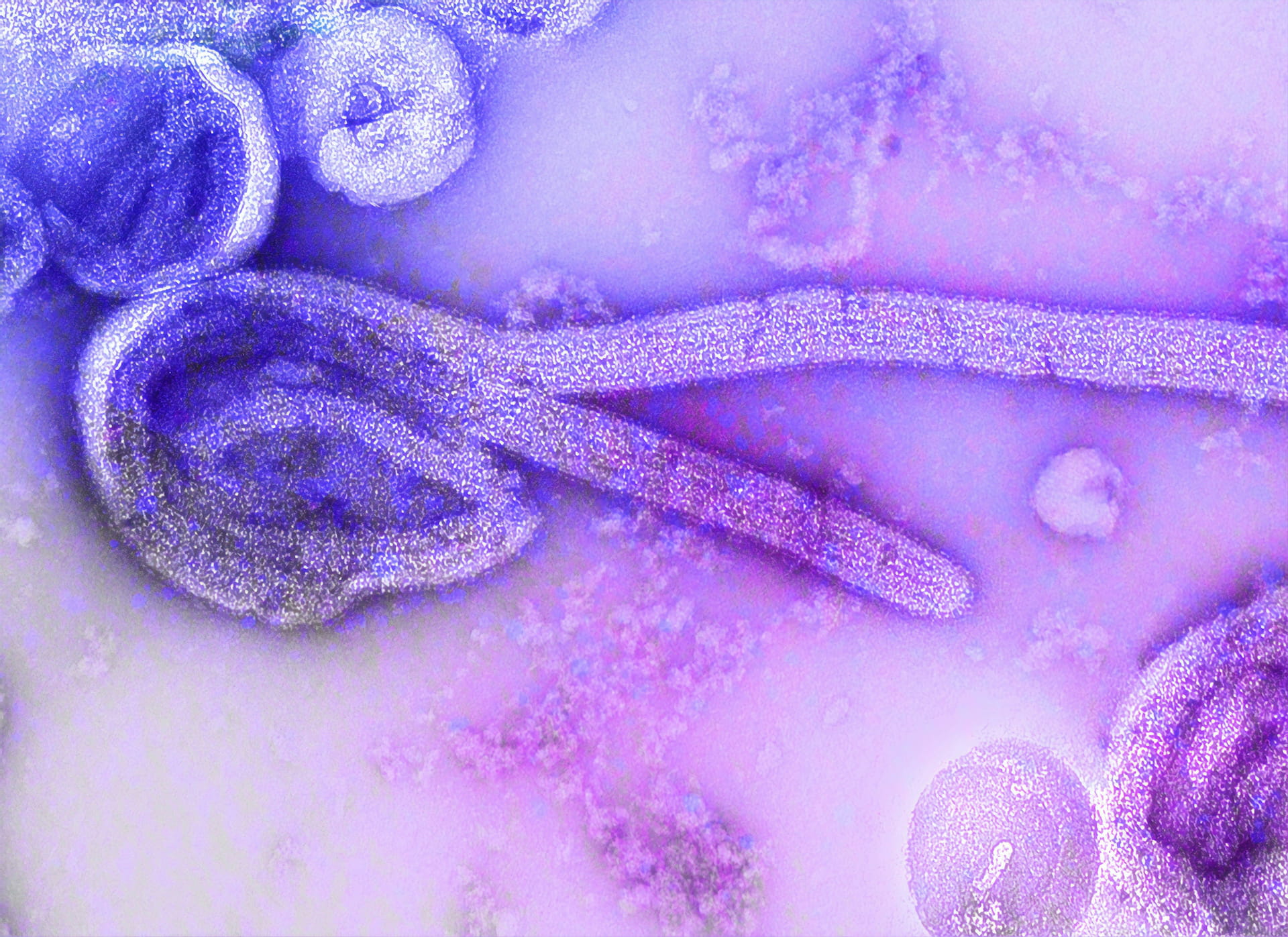
Ebola is a serious virus that attacks the body and can be life-threatening. It is rare — but when it spreads, it spreads fast and hits hard.
Ebola does not spread through the air like a cold or the flu. You cannot get it by being near someone who is infected.
Ebola spreads through direct contact with the blood or body fluids of a person who is sick or who has died from Ebola. This includes blood, urine, saliva, and feces. It can enter your body through your eyes, nose, mouth, or broken skin.
You can also get Ebola by touching or eating infected animals, or by touching contaminated medical equipment like needles.
This is why healthcare providers and family caregivers are at the highest risk — especially when they lack protective gear.
Yes. On May 17, 2026, the World Health Organization declared a global health emergency due to an Ebola outbreak in the Democratic Republic of Congo and Uganda. This outbreak is caused by a strain called the Bundibugyo virus.
As of late May 2026, no cases have been reported in the United States. The risk of an outbreak here in the United States remains very low, but staying informed matters.
Symptoms usually appear 6 to 12 days after exposure. Early symptoms can feel like the flu.
Watch for:
As the illness gets worse, some people develop bruising, bloody diarrhea, or bleeding from the mouth, nose, or eyes. In the most severe cases, Ebola can cause the organs to shut down and can be fatal.
If you have these symptoms AND you have recently traveled to an area with known Ebola, seek medical care immediately. Tell your doctor about your travel history right away.

The people at greatest risk are:
Additionally, people who participate in burial rituals that involve touching or washing the body of someone who died from Ebola are at risk. This is an important cultural practice in many communities, but it carries serious risk during an outbreak.
Clinicians diagnose Ebola based on symptoms and travel history. A blood test confirms whether the virus is present.
Most patients with Ebola need hospital care — sometimes in an intensive care unit. Treatment focuses on maintaining fluid balance, medications to support blood pressure, and breathing support if needed.
Fortunately, there is a vaccine for one strain of Ebola. Unfortunately, that vaccine does not cover the Bundibugyo virus causing the current outbreak. There is also no specific medication available for this strain, making prevention even more important.
Ebola is serious. During past outbreaks of the Bundibugyo virus, approximately 30 to 50 percent of patients died. Early medical care improves survival. Access to good healthcare makes a real difference in outcomes.
If you work in healthcare or care for a sick family member:
If you are traveling to areas with known Ebola:

The risk to people in the United States is currently very low, but awareness is always your first line of defense.
Stay informed. Follow updates from the Centers for Disease Control and Prevention (CDC) and the World Health Organization (WHO).
If you have recently traveled to an affected area and develop symptoms, do not wait. Contact your doctor immediately.
Your health — and the health of your community — is worth protecting.
By subscribing, you consent to receive emails from BlackDoctor.pro You may unsubscribe at any time. Privacy Policy & Terms of Service.
Are you a healthcare professional? Register with us today!