
People with an autoimmune disease and obesity might lower their risk of dangerous blood clots and death by taking Ozempic or Zepbound, a new study says.
Autoimmune diseases like celiac disease, vitiligo, psoriasis, or rheumatoid arthritis increase the risk of severe health emergencies because they cause inflammation and malfunctioning immune responses, researchers said.
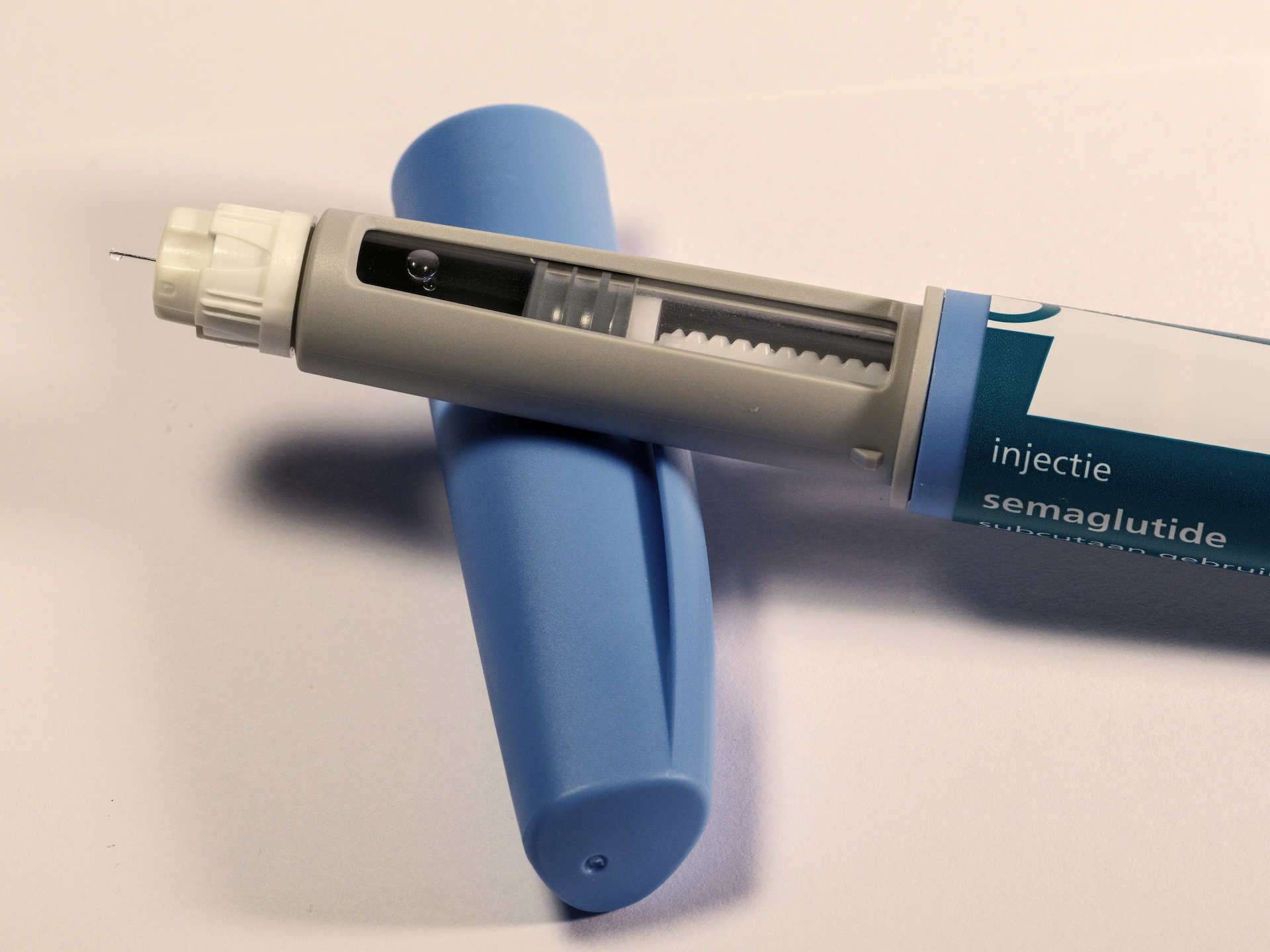
But GLP-1 medications might be able to counter that risk, researchers reported recently in the Journal of the American Heart Association.
Overall, people’s risk of death was cut by nearly half if they were taking a GLP-1 drug, the study found.
“In this real-world analysis, we found a consistent signal toward fewer serious complications including blood clots and lower mortality among patients treated with GLP-1 receptor agonists,” senior researcher Dr. Amy Sheer said in a news release. She is the director of the Obesity Medicine Fellowship Program at the University of Florida.
For the study, researchers compared more than 13,000 people taking a GLP-1 drug with the same number who weren’t prescribed the weight-loss meds. Participants were treated in a Florida health network between 2014 and 2024.
Glucagon-like peptide-1 (GLP-1) drugs mimic the GLP-1 hormone, which helps regulate insulin and blood sugar levels, reduces appetite, and slows digestion.
All of the patients had been diagnosed with an autoimmune disease and obesity, and researchers analyzed more than 10 years of their health data.
Results showed that those taking a GLP-1 drug had a:
“The 44 percent reduction in all-cause mortality observed among patients with obesity and co-occurring autoimmune disease is a striking finding that demands our attention,” said Dr. Fatima Cody Stanford of Massachusetts General Hospital in Boston, who reviewed the findings.
“As an obesity medicine physician scientist who regularly cares for patients with complex inflammatory conditions, this study reinforces what many of us have suspected clinically — that the benefits of GLP-1 receptor agonists extend well beyond blood sugar control and weight loss and may fundamentally alter the disease trajectory for some of our highest-risk patients,” Stanford added in a news release.
GLP-1 drugs are known to help modulate the immune system and reduce blood clotting among people taking them, which might explain these results, researchers said in their study.
Research consistently shows that Black Americans experience higher rates of obesity, type 2 diabetes, hypertension, and cardiovascular disease. Certain autoimmune diseases — including lupus — disproportionately affect Black women and are often associated with more severe disease and worse outcomes. If future studies confirm these cardiovascular benefits, GLP-1 therapies could have important implications for patients managing multiple chronic conditions.
Although additional research is needed in diverse populations, these findings underscore the importance of considering treatments that address both metabolic and cardiovascular risk in patients with autoimmune disease.
Chronic systemic inflammation can contribute to endothelial dysfunction and thrombosis. Patients with autoimmune disease often have a higher risk of venous thromboembolism, myocardial infarction, and stroke.
For clinicians, managing cardiovascular risk should remain part of routine autoimmune care to reduce patients’ risk of severe complications.
“I am excited about the combination of medications for these diseases — pairing medicines with known benefits to treat the autoimmune disease with a GLP-1RA,” Sheer said. “For people who are overweight or living with obesity and an autoimmune disease, this study offers a hopeful signal that medications already in use today may be beneficial in reducing their risk of cardiovascular disease.”
By subscribing, you consent to receive emails from BlackDoctor.pro You may unsubscribe at any time. Privacy Policy & Terms of Service.
Are you a healthcare professional? Register with us today!