Multifocal Pneumonia: Diagnosis, Management, and Considerations for High-Risk Populations
Multifocal pneumonia complicates breathing, common in cold/flu season. Early diagnosis and treatment crucial for Black patient outcomes. Read more.

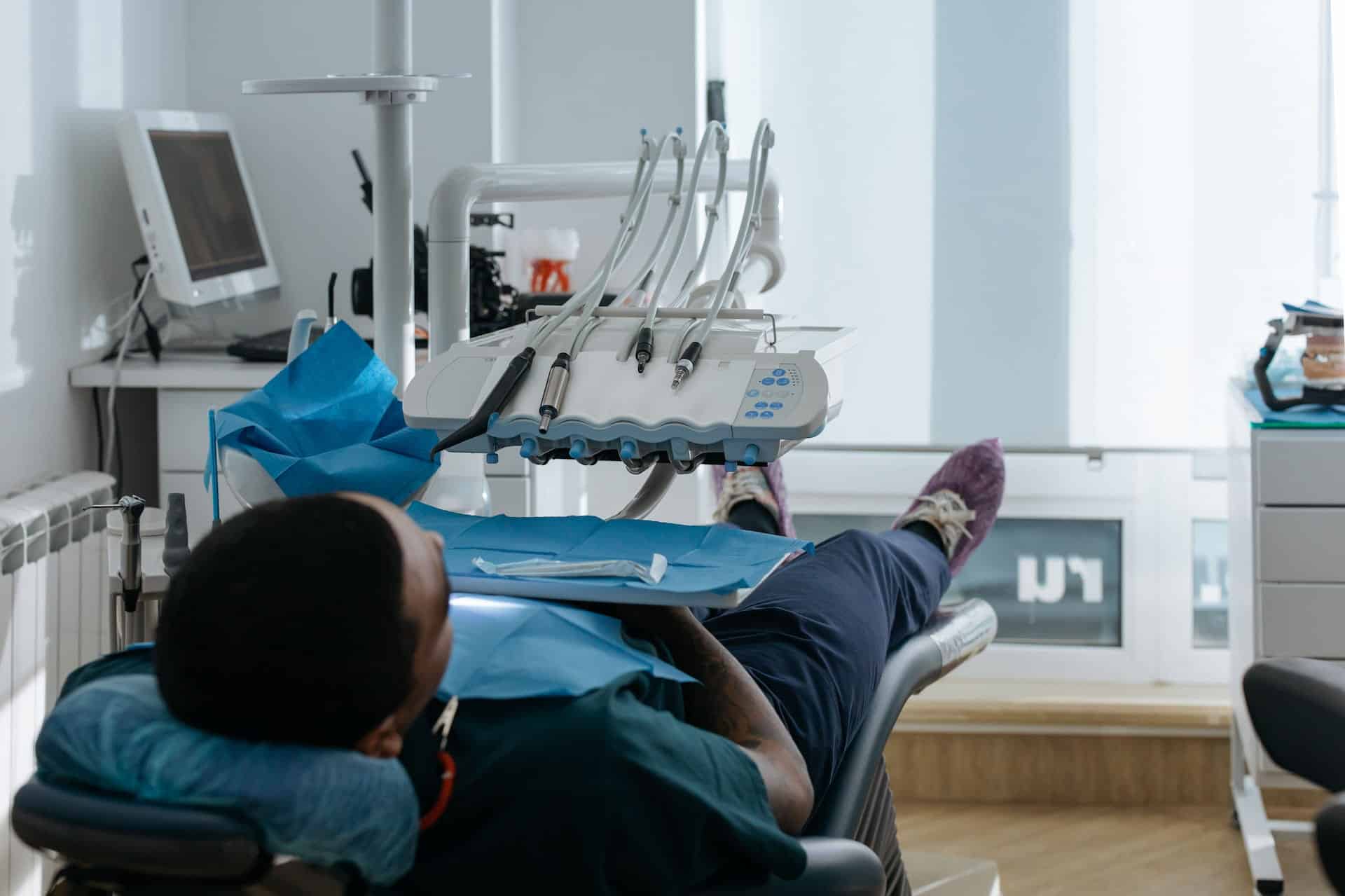
For a patient who has not visited the dentist in years, making an appointment can mean confronting more than concerns about their teeth. Fear of judgment, memories of a painful experience, and uncertainty about the cost of treatment can make returning to care feel overwhelming.
Those concerns exist alongside broader barriers to access. According to the Centers for Disease Control and Prevention, approximately 57 million Americans lived in a dental health professional shortage area as of 2024. The CDC also reports that, among adults ages 20 to 64, untreated cavities affected 40 percent of non-Hispanic Black adults compared with 21 percent of non-Hispanic white adults between 2011 and 2016.
For providers, welcoming patients back begins with understanding what has kept them away. Dr. Corey Black, founder and CEO of the dental practice SmileSpace, shares how he approaches dental anxiety, patient education, and financial concerns to help patients take the next step.
Patients may postpone dental visits because of financial barriers, a lack of dental insurance, or embarrassment about how long they have gone without care. In his practice, Dr. Black said dental anxiety is a concern he encounters daily.

“I deal with it every single day in my chair,” he told BlackDoctor Pro. “For a lot of people, just the idea of needing dental work is enough to cause real stress, so they avoid it altogether.”
He also pointed to gaps in patients’ understanding of preventive care and the factors that affect their oral health. “The other big one is a lack of understanding about why those six-month cleanings and exams matter. Most people don’t realize a cavity can develop in that six-month window. Sugar intake, acidic foods and drinks, salivary flow, lifestyle — all of that plays a role. And when people don’t understand what’s happening in their mouth, the unknown becomes scarier, and the cycle of avoidance keeps going.“
Understanding that fear gives providers a starting point for the conversation. A patient concerned about pain may need a different discussion than someone who fears an unaffordable treatment plan or feels embarrassed about the condition of their teeth.
For patients who feel anxious or embarrassed about returning to the dentist, building trust can begin before they sit in the chair. At SmileSpace, Dr. Black uses a pre-visit questionnaire to learn about patients before they arrive and has designed the environment with dental anxiety in mind. “When I designed SmileSpace, I designed it for the anxious patient,” he said. That approach includes addressing sensory concerns that can make an appointment feel overwhelming. His practice dims treatment rooms, uses indirect lighting, and offers wireless headphones and a ceiling screen so patients can watch a show during care.
Once the exam begins, Dr. Black focuses on helping patients understand their oral health and participate in treatment decisions. “I’m a big advocate for patient education. By the end of that first visit, my patients literally understand how I diagnose, and they can read their own X-rays,” he says.
Using large screens and AI technology that he says helps detect cavities, bone loss, and other concerns, Dr. Black walks patients through what he sees, explains the findings, and discusses possible solutions before building a plan. “When people have that knowledge, it changes their whole reality about dentistry. That understanding is where the reassurance comes from, and that’s how trust gets built.”
For providers, the takeaway is to make room for explanation. Walking patients through findings gives them an opportunity to ask questions and better understand the recommended care.
After identifying a patient’s needs, providers also need to understand what might make following through difficult. For someone returning after years without care, that conversation can begin with reassurance. “First: there’s no judgment,” Dr. Black said. “We’ve seen it all, and we’ve done it all. That’s not what we’re thinking about when you sit in the chair.” For patients worried about what an exam might reveal, he says identifying their needs and developing a treatment plan can offer relief.
“The hardest step is just getting there,” he added. “Most of the time, what people imagine is worse than what’s actually going on. And once we have a plan, people feel relief.”
Financial concerns also deserve a direct conversation. At SmileSpace, Dr. Black said patients who need more extensive treatment or have limited insurance coverage can explore third-party financing, with approval and available amounts based on credit. The practice also offers in-house payment plans that collect a set amount each month.
For patients without dental insurance, his team connects them with an insurance broker to explore enrolling in a dental plan. Dr. Black acknowledged that these options have stipulations. Providers can use the conversation to clarify coverage, anticipated out-of-pocket costs, and payment terms so patients understand the financial commitment alongside the proposed treatment.
The goal is to make the next step clear: what care is recommended, how it will be approached, and what options are available to help the patient move forward. “So my advice is simple: just show up,” Dr. Black said. “We’ll take it from there.”
By subscribing, you consent to receive emails from BlackDoctor.pro You may unsubscribe at any time. Privacy Policy & Terms of Service.
Are you a healthcare professional? Register with us today!