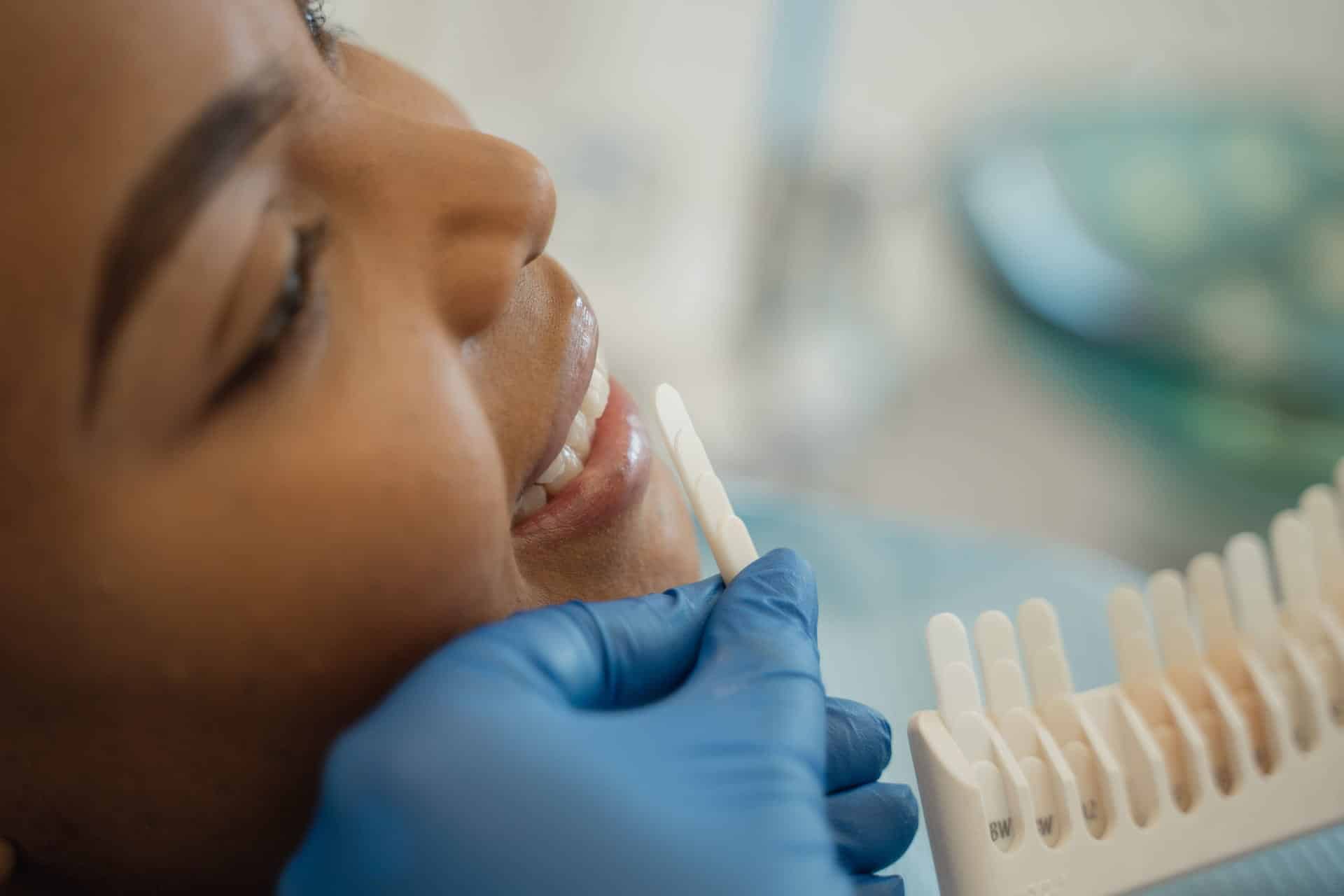
June is National Oral Health Month, which aims to raise awareness of the strong link between dental health and overall physical well-being. Unfortunately, oral health is often viewed as cosmetic and siloed from the rest of medicine, despite mounting evidence linking it to chronic disease outcomes.
For Black Americans, oral health disparities mirror broader inequities seen across healthcare, including barriers to preventive care, delayed diagnoses, and limited access to care.
Beatrice Williams, DDS, MS, a board-certified orthodontist and philanthropist, has worked as both a clinician and a researcher in student-run clinics and underserved settings. In practice, she has seen how disparities in dental care can lead to advanced disease — particularly among communities of color.
Oral health is about far more than teeth. It represents one of healthcare’s earliest opportunities for prevention, chronic disease detection, and the advancement of health equity.
Dr. Williams has repeatedly observed that many patients seek care only after symptoms have become severe. Rather than biannual dental cleanings leading to conservative treatments, many clinicians are forced to address advanced disease.

Delayed presentation often leads to extractions rather than fillings, more invasive procedures, a greater financial burden, and poorer long-term outcomes.
Additionally, many patients normalize poor oral health because they’ve seen family members experience tooth loss and other dental problems. They may assume that they just have “bad teeth,” that everyone in their family loses teeth, or that oral decline is inevitable.
While patient attitudes towards oral health may seem to contribute to poor oral health, they actually reflect gaps in prevention and access. For Black patients in particular, longstanding medical distrust, fear of dentistry, cost concerns, and lack of dental coverage can make preventive care a challenge for many.
The Centers for Disease Control and Prevention (CDC) reported that Black Americans experience disproportionately higher rates of oral disease. They also experience approximately twice the prevalence of severe periodontal disease compared to white adults.
Several disparities persist across the lifespan, including untreated cavities, preventable tooth loss, and reduced access to preventive care services.
Black patients can also experience worse oral cancer outcomes, including later-stage diagnoses and poorer overall survival.
“Oral health disparities in Black communities reflect broader systemic inequities seen across chronic disease,” Dr. Williams explained. These include insurance limitations, workforce shortages, transportation barriers, affordability challenges, reduced access to preventive care services, and delayed referrals and diagnosis.
For clinicians, it’s critical to view oral health disparities through the same lens as other health inequities, using the social determinants of health.
There’s a strong bidirectional relationship between oral and systemic health. Diabetes, for example, can increase a patient’s risk for periodontal disease. “Diabetes worsens your periodontal disease severity, increasing the risk of infection, delayed wound healing, and then the disease itself worsens your glycemic control,” Dr. Williams said.
She also explained how medications for hypertension — a condition that disproportionately affects Black Americans with earlier onset and more severe complications — can cause xerostomia or dry mouth. “If you don’t have enough saliva, which is good at buffering the pH in your mouth and mechanically disrupting the schmutz sitting on your tongue, it carries the risk of gum disease and other infections,” she said.
Another often-overlooked aspect of oral health is maternal dental health. Dr. Williams explained how poor oral health can influence health outcomes for the birthing parent and baby. “Gum disease has been associated with preterm birth and low birth weight, and that’s because of systemic inflammation,” she said. “Conversations [with expecting parents] should also include oral health, because that oral inflammation contributes to the systemic inflammatory load during pregnancy.”

Because many patients see their dentists more regularly than their primary care providers, dental visits can serve as critical touchpoints for early detection and prevention. “We’re able to catch a lot of things, see oral manifestation, or a lot of sequela as a result of chronic disease,” Dr. Williams said. “Oral health is the portal to the rest of the body.”
Representation and cultural awareness can be critical for improving oral health outcomes in marginalized communities. Black Americans make up roughly 13 percent of the U.S. population, yet Black providers remain significantly underrepresented. Some patients may feel more heard and understood when providers appreciate their lived experiences. Additionally, having cultural humility can extend beyond racial concordance. “It’s not just being seen by someone who looks like you — it’s being treated by people who understand you, empower you, and hear you,” Dr. Williams said.
It’s also important to note that beauty norms differ across communities, so assumptions shouldn’t be made about what patients value aesthetically. “When I’m treating patients, I have to remind myself that everyone has different beauty norms and standards,” Dr. Williams said. “For example, maybe I don’t want to close the gap on your front tooth, because that’s something that everyone in your family has, and it really speaks to you.”
Oral health requires a collaboration among multiple specialties — dentistry, primary care, obstetrics, pharmacy, oncology, and mental health — to improve outcomes. Social work must also be part of interdisciplinary care, as mental health conditions can affect self-care behaviors and the social determinants of health influence treatment adherence.
Too often, navigating insurance requirements, transportation barriers, and community resources falls entirely on patients. Effective interdisciplinary care means helping patients overcome those barriers — not simply telling them what they should do.
Oral health disparities reflect broader failures in prevention and access to care. Coordinated care and support services can help ensure early detection, timely assessment, and treatment for patients — particularly those from communities of color.
As Dr. Williams noted, “Improving health outcomes in Black communities requires both expanding access to care today and strengthening the pipeline of diverse healthcare professionals for tomorrow. Oral health is not separate from systemic health — it’s one of the most important entry points we have for prevention, early detection, and equity in care.”
By subscribing, you consent to receive emails from BlackDoctor.pro You may unsubscribe at any time. Privacy Policy & Terms of Service.
Are you a healthcare professional? Register with us today!