Normal blood pressure varies by age; monitoring is crucial for heart health, especially in Black communities. Read more for detailed guidelines.
While blood pressure tends to rise with age, healthcare providers must avoid normalizing elevated readings simply because a patient is older. Early identification and management remain essential, particularly among Black adults who continue to experience disproportionately high rates of hypertension-related morbidity and mortality.
Kreena Shah, M.D., a primary care physician with Inspira Health of Southern New Jersey, and Jamela Rattray, MSN, a registered nurse with extensive experience in senior care, share everything you need to know to manage blood pressure.
According to the American Heart Association (AHA), blood pressure readings fall into the following categories:
Several factors can influence blood pressure, including:
It’s critical for healthcare providers to educate patients about risk factors so they can manage their overall health.
In children, blood pressure varies based on age, height, and gender. Pediatricians use percentile charts to determine what’s normal for a specific child. Generally, children with blood pressure readings below the 90th percentile are considered within a healthy range. Growth, hormonal changes, and physical activity levels all play a role in determining what’s normal for kids and teens. Obesity, height, and sports may influence blood pressure readings.
“Blood pressure can increase with age due to stiffening of the arteries and blood vessels or other health conditions. However, a normal blood pressure goal should still be less than 120/80 to reduce the risk of cardiovascular disease,” Dr. Shah said. “Low blood pressure is generally defined as less than 90/60 mm Hg, and while it is not always harmful, the AHA considers it a concern if it causes symptoms like dizziness or fainting.”
Echoing this, Rattray added, “Normal blood pressure is generally considered to be around 120/80 mmHg for healthy adults, regardless of age. By age 40, blood pressure may begin to rise modestly.”
With age, the blood vessels naturally become stiffer. This change makes it harder for blood to flow easily, increasing systolic pressure. Dr. Shah explained, “Age can affect systolic and diastolic blood pressure differently. Systolic blood pressure tends to increase with age due to the natural stiffening of the arteries and blood vessels. This increase is often more noticeable after the age of 50, as the larger arteries become stiffer and plaque buildup in the arterial walls can contribute to increased pressure.” In contrast to systolic blood pressure, stiffening of the arterial walls can cause diastolic pressure to decrease because the heart fills less efficiently during diastole, when the heart muscle relaxes, and its chambers refill with blood.
A condition known as isolated systolic hypertension, in which systolic blood pressure is high and diastolic pressure is normal or low, becomes more prevalent in people over 60. “The heart works harder to pump blood, leading to higher systolic values,” Rattray explained. “These changes are part of why isolated systolic hypertension becomes more common in older adults.”
Black adults continue to experience some of the highest rates of hypertension in the United States, with earlier onset of disease and a greater likelihood of developing related conditions, including heart failure, stroke, chronic kidney disease, and cardiovascular mortality. These disparities underscore the importance of routine screening, accurate diagnosis, support for medication adherence, and culturally responsive patient education.
Clinicians should be especially vigilant when caring for patients with multiple cardiovascular risk factors, limited access to healthcare, or social determinants of health that may affect blood pressure control.
| Age Group | Normal Systolic/Diastolic (mmHg) |
| Children (1-12) | Variable (based on percentiles) |
| Teens (13–17) | Less than 120/80 |
| Adults 18+ | Less than 120/80 |
Please note that these guidelines don’t establish separate “normal” values for older patients.
Blood pressure is affected by many internal and external factors. Lifestyle choices are key. High salt consumption, lack of exercise, ongoing stress, smoking, and excessive alcohol use can all raise blood pressure. Poor diet and diminished sleep quality can also contribute.
Hypertension is often linked to diabetes, kidney disease, and sleep apnea. Certain medications can also increase or decrease blood pressure. Finally, genetics play a role — so if elevated blood pressure runs in a patient’s family, they’re at higher risk.
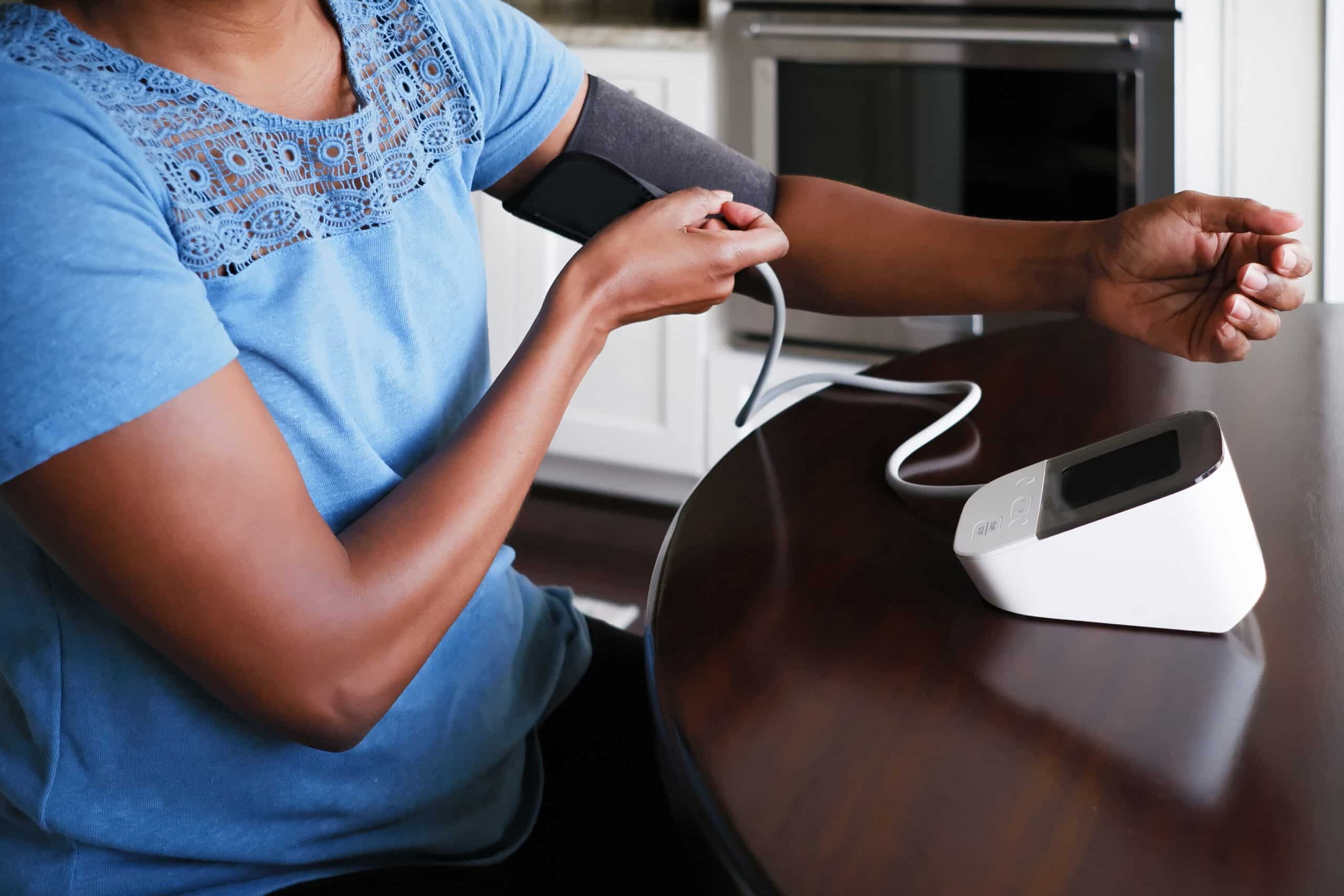
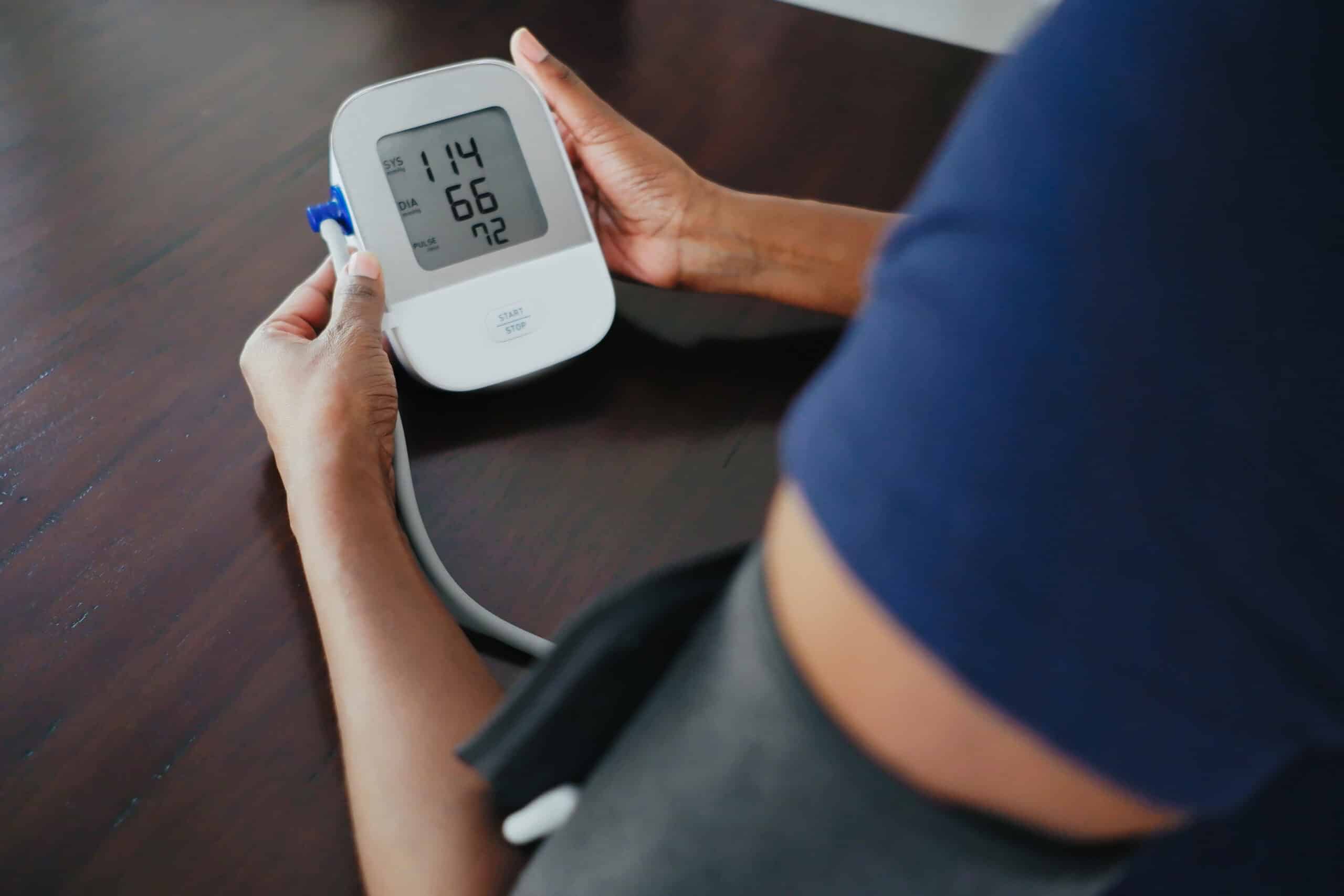
Measuring blood pressure is critical, especially as patients age or if they have risk factors. Regular monitoring can help detect changes early and reduce risk for heart attack, stroke, and kidney disease. Ideal blood pressure readings are consistent, so it’s important for patients to monitor their blood pressure routinely to identify patterns of spikes or dips.
Home blood pressure monitoring can help clinicians detect masked hypertension, assess treatment response, and improve long-term blood pressure control. Providers may consider recommending validated home monitoring devices and encouraging patients to maintain a blood pressure log through a mobile health application or written journal between visits.
Although hypertension is frequently asymptomatic, clinicians should educate patients about symptoms that may accompany elevations in blood pressure, including:
Similarly, symptoms such as dizziness, syncope, confusion, or blurred vision may warrant evaluation for hypotension, medication-related adverse effects, or other underlying conditions.
Lifestyle modification remains a first-line intervention for many patients with elevated blood pressure or stage 1 hypertension. Evidence-based strategies include adopting the DASH diet, reducing sodium, managing weight, regular physical activity, smoking cessation, moderating alcohol intake, and stress-reduction interventions.

While blood pressure patterns may fluctuate throughout the lifespan, elevated readings should not be dismissed as a normal consequence of aging. For clinicians, understanding age-related physiologic changes alongside established hypertension guidelines can support earlier intervention, more individualized treatment decisions, and improved cardiovascular outcomes. This is especially important for Black patients, who continue to be disproportionately burdened by hypertension-related disease and mortality.
By subscribing, you consent to receive emails from BlackDoctor.pro You may unsubscribe at any time. Privacy Policy & Terms of Service.
Are you a healthcare professional? Register with us today!