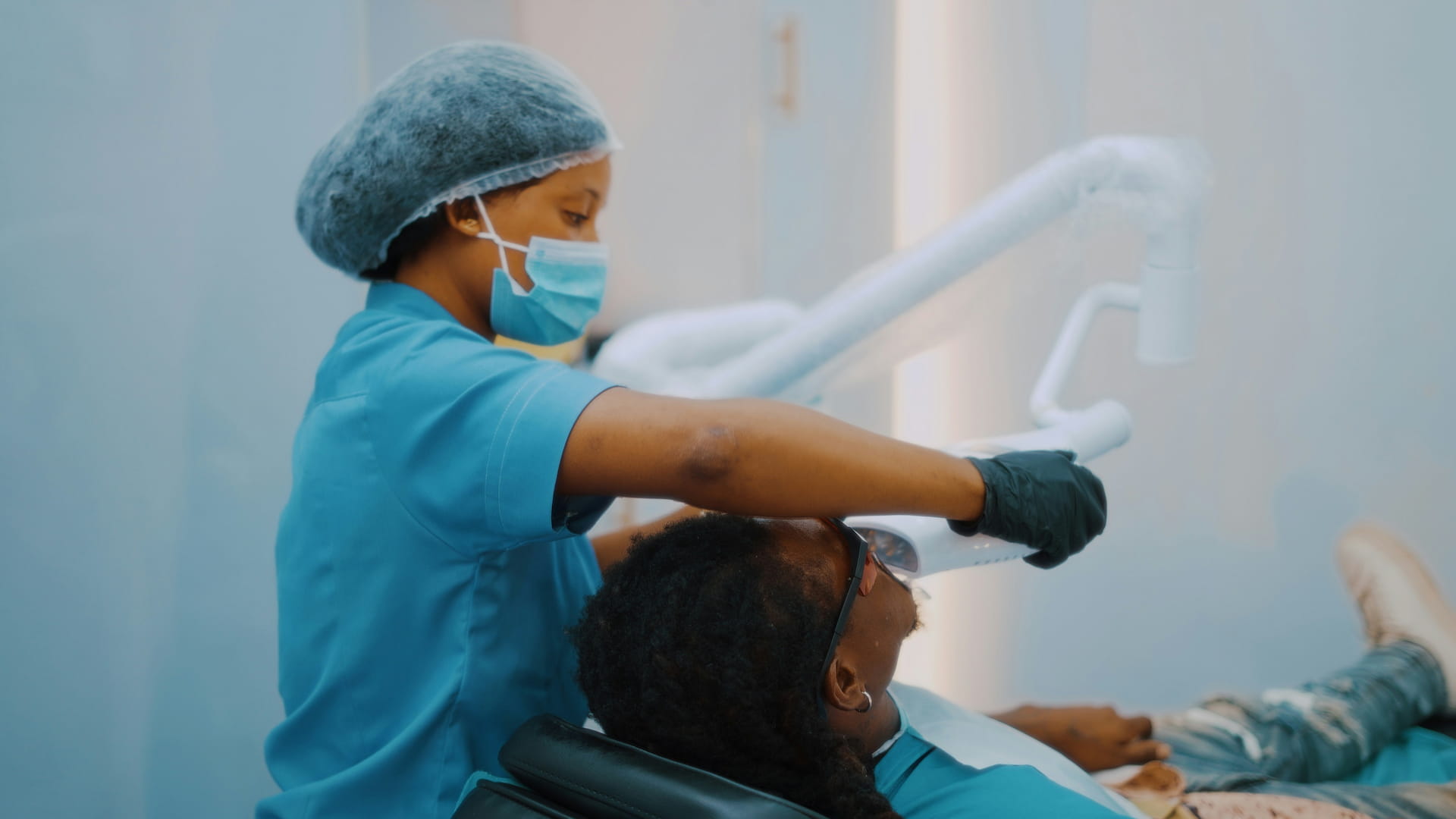
Medicine and dentistry have long operated as separate healthcare systems, with separate training pathways, insurance structures, and patient records. Yet growing evidence shows that oral health is about more than just nice teeth — it affects what and how you eat, and dental care can reveal signs of systemic inflammation or chronic disease.
For physicians, this means the dental chair may be an overlooked point of early detection. Dentists frequently see patients twice a year, more regularly than most primary care providers.
Better collaboration between physicians and dentists could improve diagnosis, treatment adherence, and prevention of avoidable complications.
Here’s why synergy matters and how to deliver better patient care as a result.
Researchers are increasingly identifying specific biological pathways connecting the mouth to systemic disease. The Lancet Oral Health series called for radical change in how dentistry is viewed within public health.
The American Dental Association (ADA) explains the oral-system connection as the phenomenon whereby periodontal disease is associated with many other diseases, such as heart disease and diabetes. In particular, advanced gum disease and inflamed gum tissue can allow bacteria, bacterial toxins, and inflammatory molecules to enter the bloodstream, contributing to systemic inflammation.
Tom Hardenbergh, DDS, a dentist in Colorado, adds that the oral pathogen Porphyromonas gingivalis, associated with gum disease, can also be found within arterial plaque and in the brains of patients with Alzheimer’s disease, and there’s a clear two-way causal link with diabetes.
“It used to be thought that diabetes exacerbated periodontitis, but now we understand that it’s a cycle where periodontitis causes changes in glucose metabolism and vice versa,” Dr. Hardenbergh explained. “Treatment of one disease affects the other, which is not just intuition — it’s hard data.”
One of the biggest opportunities for collaboration is in early detection. Dentists often see patients twice a year or more, while many adults delay routine medical visits. The dental office may be one of the few consistent healthcare touchpoints.
Ambereen Fatima, DDS, owner of Innova Smiles in Marlborough, Massachusetts, adds that “roughly 27 million Americans see a dentist every year but never see a doctor. This is also true for my patients, where I’m the only person in a white coat they’ll see all year.”
She said that by controlling gum disease, she can usually see their blood sugar drop to levels similar to that reached by a diabetes pill. “I tell these patients to loop their physician in on what I’m finding, and with their permission I’ll reach out to that doctor directly,” she said. “For my practice, this is low-tech, old-fashioned teamwork: I either get on a call with their physician or exchange emails, because our patient record systems are not connected.”
Much of this teamwork relies on the goodwill and extra mile of the physicians involved, rather than on systemic connections that require collaboration. “Most of the time I only learn how [a visit to the doctor] went because the patient mentions it, not because the other office called,” Dr. Fatima said. “A new blood thinner, or one of these popular weight-loss drugs, can change what I do in the chair that same day.” In her view, coordination is not about a committee or an app, but many small handoffs, done well.

Despite growing awareness of the oral-systemic connection, Dr. Fatima’s frustrations are all too common. Her advice to doctors is to get to know the two or three physicians you refer to most, by name, “because a real person will close a loop that a fax never will.”
A real person will close a loop that a fax never will.
Ambereen Fatima, DDS
Dr. Hardenbergh would take it a step further. He advocates introducing concrete dental procedures, such as chairside blood pressure screening and a finger-prick HbA1c test. To connect dentists and physicians, he suggested agreeing on a one-page referral form for use between offices to prevent miscommunication. Practices that co-locate medical and dental clinics, or at least share access to their respective portals, are years ahead of the norm, he noted, but integrated health practices do exist, like NIHA in DC and Great Portland Health. Patients and physicians can choose to follow their lead by overcoming fragmented referrals with good, old-fashioned phone calls.
The separation between general medicine and dental care starts in training. Still, in the real world, the gap has particular implications for Black patients, who experience higher rates of untreated dental disease. Further, research has found a rare gum disease among African American children, making comorbidities an increasing area of concern.
Integrated public health care models are all too few, but they could be the systemic remedy patients need. In the meantime, physician behavior can go a long way. Leaving time to explain early detection findings to fellow medical care providers and referring physicians can make a big difference in ensuring that patients actually follow up on referrals and get to the bottom of any suspected serious conditions.

Oral health is not separate from overall health. The evidence increasingly shows that dental and gum conditions influence long-term health outcomes. By improving provider communication and treating oral health as part of comprehensive patient care, clinicians can identify disease earlier and help patients manage their care more effectively.
By subscribing, you consent to receive emails from BlackDoctor.pro You may unsubscribe at any time. Privacy Policy & Terms of Service.
Are you a healthcare professional? Register with us today!