Regular sunscreen is overwhelmingly promoted in popular TikTok videos, a new study says. However, people more often like, share, and comment on the rare TikTok offerings that feature negative misinformation regarding sunscreen, researchers reported June 18 in the journal PLOS Digital Health.
“Sunscreen misinformation may attract disproportionate attention,” wrote the research team led by Alessandro Marcon, a research associate at the University of Alberta in Canada.
Among these false claims are assertions that sunscreen is toxic or unnecessarily blocks the health benefits of sun exposure, researchers said.
“Sunscreen misinformation on TikTok constitutes an area of concern not for the total sum of overarching influence in terms of content production but rather in how strongly some sunscreen misinformation ideas resonated among particular audiences,” the team said.
Sunscreen applied regularly can help prevent sunburn, skin cancer and premature aging, according to Johns Hopkins Medicine.
Analysis of close to 1,000 most-viewed TikTok videos bearing the top five sunscreen-related hashtags found that nearly 87 percent promoted sunscreen use wholeheartedly.
Only 6 percent of the videos were critical of sunscreen, with under 2 percent saying it causes harm and around 1 percent arguing that it prevents health benefits such as vitamin D absorption.
But these critical videos generated significantly higher audience engagement than the ones promoting sunscreen use, researchers found.
“TikToks that solely contain sunscreen critique present significantly greater audience interaction in terms of likes, shares and comments in comparison to TikToks that only promote sunscreen,” researchers wrote.
“Our analysis showed TikTok is not necessarily flooded with sunscreen misinformation, but TikToks which dangerously claim that sunscreen is harmful or unnecessary receive comparatively high levels of audience engagement,” the team wrote.
Even positive messaging for sunscreen on TikTok missed a major point regarding its use, researchers noted.
“It was surprising to see so many TikToks promoting sunscreen use without specifically mentioning the important role it plays in cancer prevention,” researchers wrote. “Only 6 percent of the TikToks analyzed explicitly mentioned the benefits of reducing the risk of skin cancer.”
TikTok content creators commonly promote sunscreen as part of skincare regimens “where sunscreen benefits were more commonly related to beauty rather than health,” the team wrote.
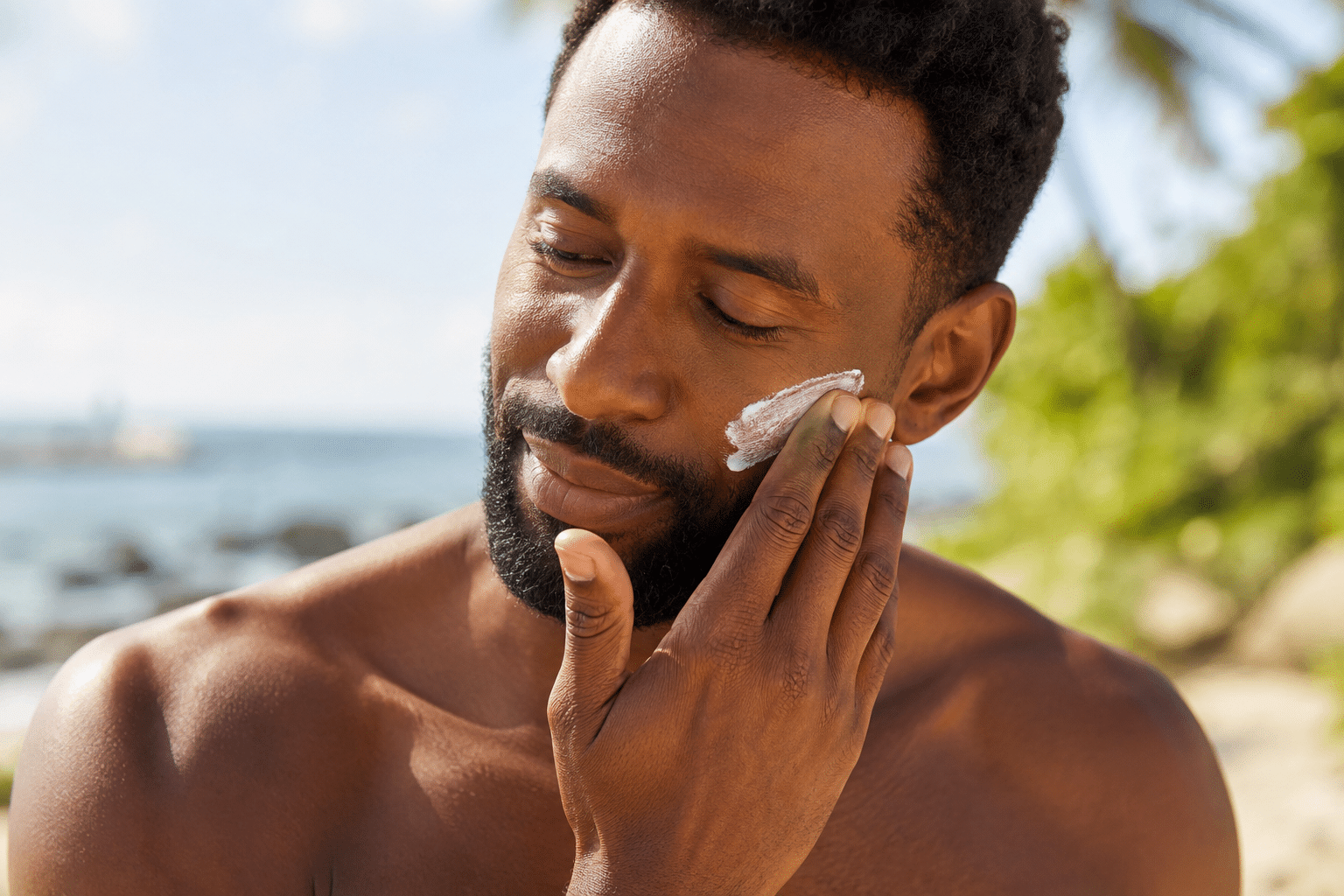
While melanin offers some natural protection against UV radiation, it doesn’t eliminate the risk of sun damage or skin cancer. Additionally, the underrepresentation of Black people in advertisements and public health campaigns for sunscreen can be a deterrent for regular sunscreen use.
Historically, public health messaging has often implied that skin cancer is primarily a concern for lighter skin tones, reinforcing the misconception that sunscreen is unnecessary for many Black patients.
There’s also an issue with the cosmetic appearance of sunscreen. Many people with darker skin tones are concerned that sunscreens leave a white cast, which can be unappealing to some.
These factors may contribute to more people seeking guidance on sun protection from TikTok influencers rather than from their primary care provider or dermatologist.
While Black patients face a lower incidence of skin cancer, they are frequently diagnosed at more advanced stages and face a lower five-year survival rate compared to white patients. These disparities are driven by delayed diagnoses, as tumors often appear in sun-protected areas such as the palms, soles, and nail beds.
Clinicians should reinforce that melanin is not a substitute for sun protection and that regular sunscreen use, skin self-examinations, and prompt evaluation of changing lesions remain important for patients of all skin tones.

Addressing misinformation about sunscreen must start in the exam room.
Here are some practical strategies for educating patients about proper sun protection:
Social media will continue to shape people’s health beliefs, making proactive counseling more important than ever. By addressing sunscreen myths early and recommending products that patients are willing to use consistently, clinicians can help reduce preventable UV damage and improve early detection of skin cancer in Black communities.
By subscribing, you consent to receive emails from BlackDoctor.pro You may unsubscribe at any time. Privacy Policy & Terms of Service.
Are you a healthcare professional? Register with us today!