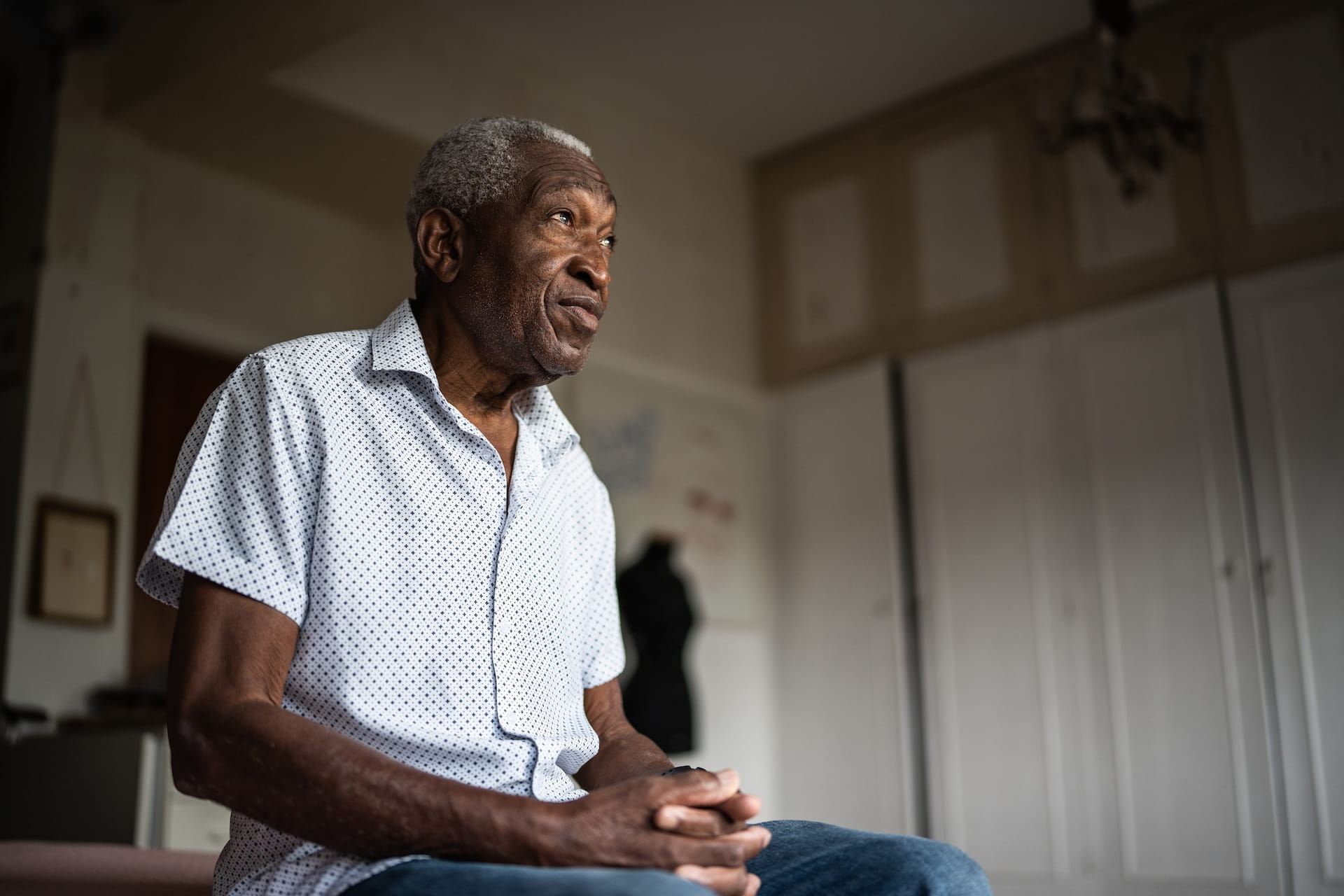
Dementia is one of the fastest-growing public health challenges worldwide, driven by aging populations, rising care costs, and increasing demands on family caregivers.
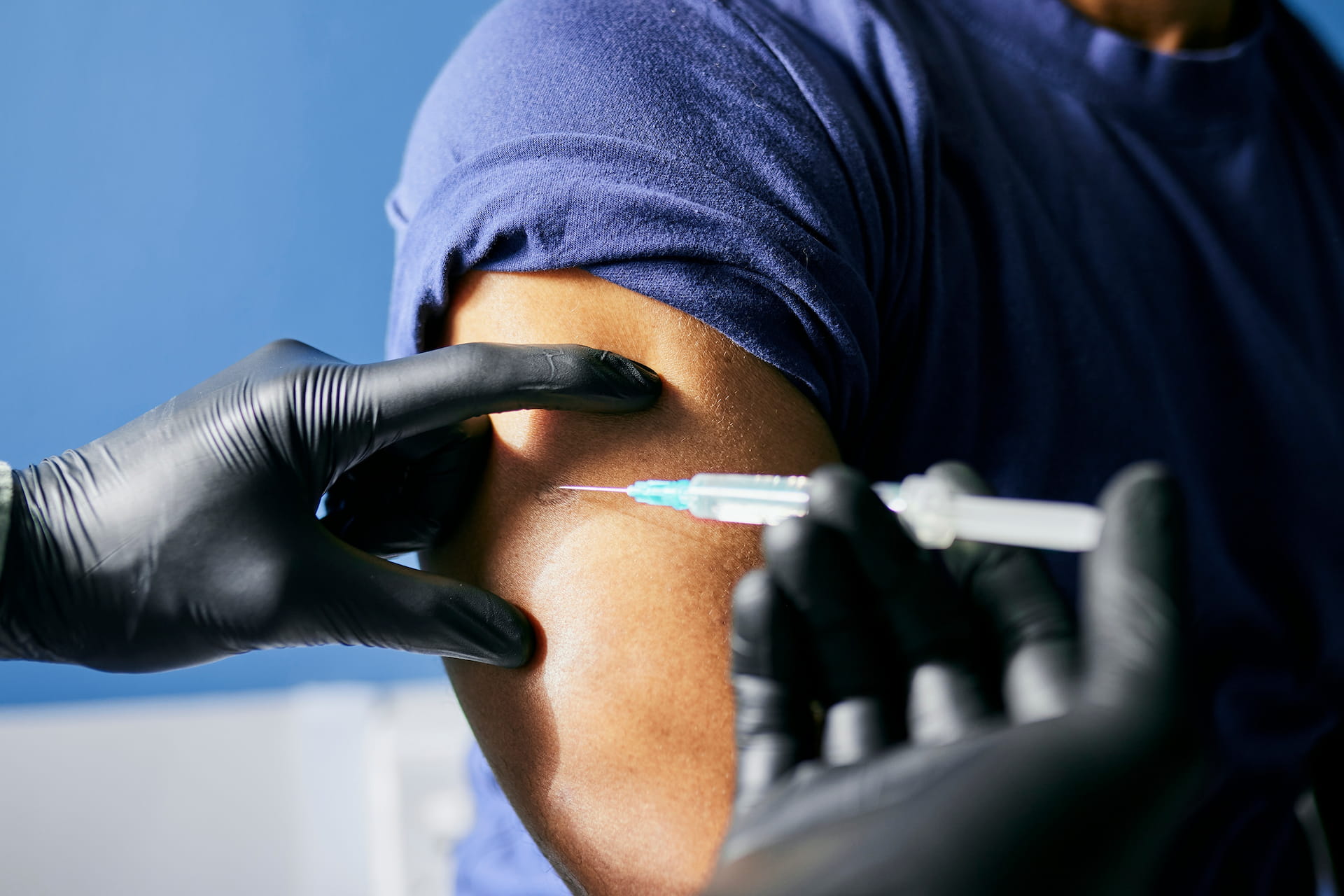
As researchers explore new strategies to prevent cognitive decline, vaccine-based approaches have emerged as a promising area of investigation. Interest has grown following studies linking shingles vaccination to a lower risk of dementia, alongside the development of dementia-focused immunotherapies.
A new survey published in JAMA Network Open examined how U.S. adults aged 50 and older feel about a hypothetical preventive dementia vaccine. The findings could help clinicians anticipate future uptake and address barriers before such vaccines become available.
Researchers used data from the 2025 Dementia and Medication survey in the Understanding America Study, which included 1,529 U.S. adults aged 50 and older. Participants were asked about a low-cost, multidose vaccine that could reduce dementia risk by 50 percent among high-risk individuals.
Participants rated their willingness to receive the vaccine using a 7-point response scale ranging from ‘definitely not’ to ‘definitely yes.”
Currently, no preventive dementia vaccine has been approved for clinical use, making these findings important for future implementation planning.
Here were the most significant findings from the survey:
The growing public health concern about dementia may create a unique opportunity for preventive strategies with demonstrated benefit. Based on the survey results, demand appears especially strong given the vaccine’s hypothetical nature.
Researchers found that older adults were more willing to try a hypothetical dementia vaccine than younger respondents. Adults aged 60 to 69 and 70 and older showed greater willingness than those aged 50 to 59.
The survey responses also showed noticeable sex- and race-based differences. Women were more likely than men to express uncertainty or hesitancy. Men were more likely to report that they would definitely receive the vaccine.
Non-Hispanic Black adults showed lower willingness than white adults to use a dementia vaccine. Black respondents also reported some of the highest levels of hesitancy.
Recognizing these differences early in vaccine development and implementation can help clinicians plan strategies to encourage uptake among these patient populations before the vaccine hits the market.
Alzheimer’s disease and other forms of dementia disproportionately affect Black, Hispanic, American Indian, and Alaska Native populations, as well as women. Black U.S. adults are approximately two times more likely to develop dementia than white adults. These disparities are driven by social determinants of health, including systemic racism, economic and neighborhood disadvantage, lower access to quality education, higher rates of cardiovascular conditions, and chronic stress (weathering).
The survey findings raise an important concern: populations at elevated risk for dementia may be among the least likely to adopt a future preventive vaccine if barriers to trust, access, and education are not proactively addressed.
Potential contributors to vaccine hesitancy among these groups may include:
If a dementia vaccine is developed and available for clinical use, future education campaigns may need culturally tailored strategies to improve confidence and access.
Surveys show that clinicians remain among the most trusted sources of vaccine information. Patients have an established rapport with their provider and respect their perceived expertise and authority, which can be positive predictors of vaccine uptake.
This rapport offers opportunities for providers to:
Patients with a family history of dementia or personal concerns about cognitive decline might be especially receptive to counseling about reducing dementia risk.
The survey findings suggest strong public interest in a preventive dementia vaccine, even before an approved product exists. However, enthusiasm is not evenly distributed across demographic groups, particularly among populations that already experience disproportionate dementia burden.
For clinicians, the results underscore the importance of building trust, addressing concerns early, and preparing patients for emerging prevention strategies. If dementia vaccines become clinically available, equitable adoption may depend as much on effective patient engagement as on the vaccines’ efficacy and safety.
By subscribing, you consent to receive emails from BlackDoctor.pro You may unsubscribe at any time. Privacy Policy & Terms of Service.
Are you a healthcare professional? Register with us today!