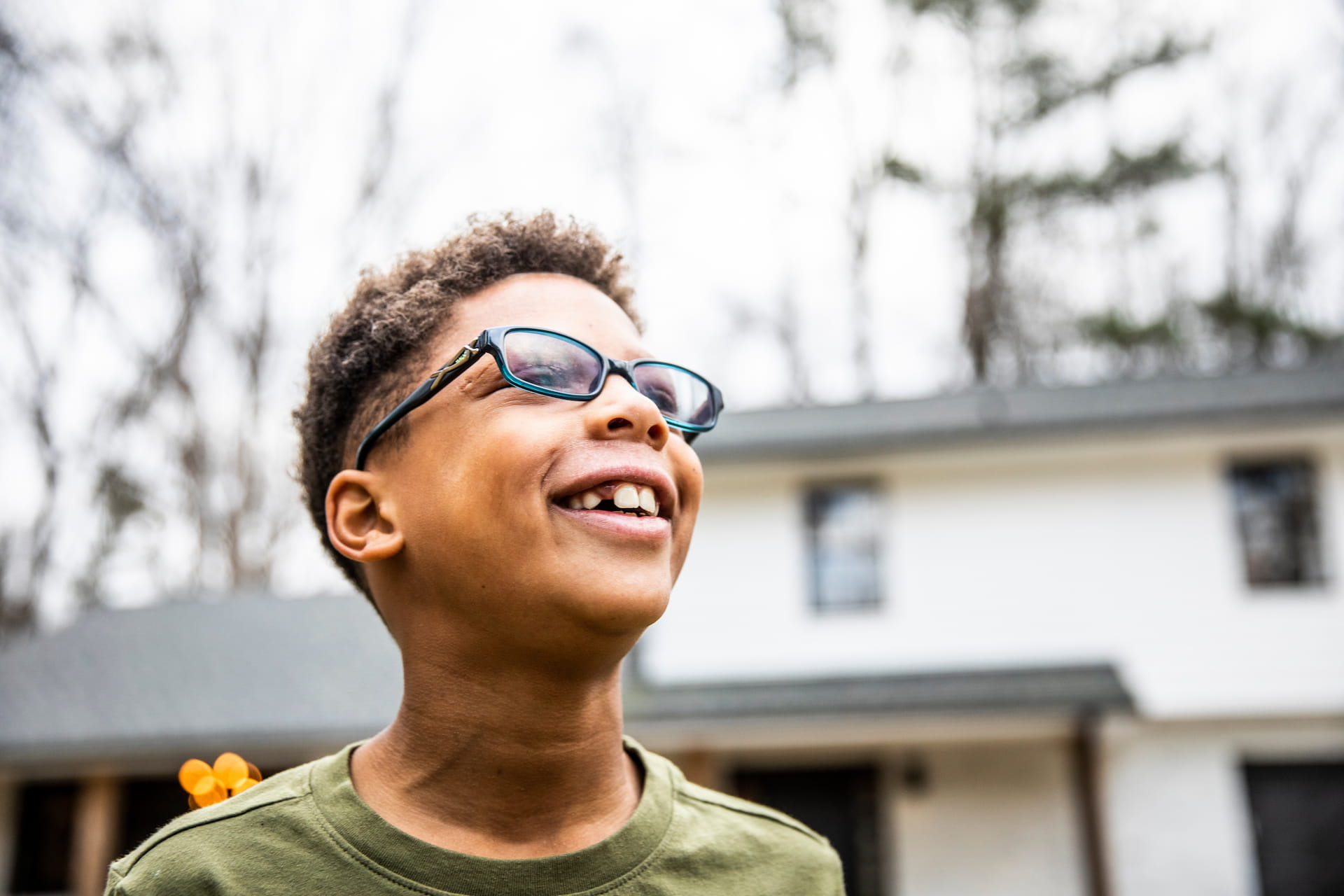
Back-to-school season is here, and many families are preparing for the new school year, including scheduling annual wellness visits and vision screenings. For pediatric providers, these visits offer an important opportunity to identify vision problems before they begin to affect a child’s learning, behavior, and overall development. While routine vision screening can help detect some concerns, eye exams don’t catch every issue.
According to the Centers for Disease Control and Prevention (CDC), approximately 6.8 percent of U.S children younger than 18 have a diagnosed eye and vision condition, and nearly 3 percent have blindness or vision impairment, defined as having difficulty seeing even when wearing glasses or contact lenses. Because many children assume the way they see is normal, they may not recognize — or communicate — that they’re having trouble seeing.
“Recognizing the early signs of vision problems can help providers refer children for a comprehensive eye exam before academic, behavioral, or developmental challenges arise,” said Nicole Hight, MD, a board-certified pediatrician at Zarminali Pediatrics.
Here are five signs that your pediatric patient may need a comprehensive eye exam, the behaviors to watch for, and when it’s appropriate to refer them to an eye care specialist.
Many people assume that when a child suddenly falls behind in school, avoids reading, or has difficulty concentrating, the cause is a learning or behavioral issue. However, vision problems can often be the underlying reason.
“Vision problems are frequently mistaken for something else entirely,” Dr. Hight said. “A child who can’t see the board clearly may seem inattentive or easily distracted. A child straining to focus on close-up work may act out or avoid reading altogether rather than say, ‘I can’t see it.’”
Because children often have no point of comparison for what normal vision looks like, they may assume blurry vision is normal and never mention it, especially for children who may need glasses. Instead, providers may notice declining academic performance, frustration, or reluctance to participate in classroom activities.
Recurring headaches and eye strain are symptoms providers should pay attention to, especially after reading, completing homework, or spending extended time on digital devices, as they may indicate a child’s eyes are working harder than they should.
Dr. Hight said frequent eye rubbing that isn’t related to allergies or fatigue, along with complaints of eye strain, should prompt further evaluation. Children may also become fatigued during visually demanding tasks or avoid activities that require sustained focus.
Certain visual behaviors can signal that a child is compensating for an underlying vision problem.
According to Dr. Hight, providers should watch for children who squint or close one eye to focus, consistently tilt or turn their head when looking at objects, hold books or tablets unusually close, or sit much closer to the television than siblings. She also notes that one eye drifting or failing to track with the other may indicate strabismus (eyes do not line up or point in the same direction at the same time) and warrants prompt evaluation.
Other subtle signs parents may overlook include losing their place while reading, using a finger to track words beyond the expected age, excessive blinking, and covering one eye during activities.
While school and pediatric vision screenings are valuable, they are not a substitute for a comprehensive eye examination.
Dr. Hight noted that the American Academy of Pediatrics (AAP) recommends instrument-based vision screening between 12 and 36 months of age and routine vision assessments during health supervision visits throughout childhood.
However, any concerning symptoms — regardless of age — should prompt a conversation with a pediatrician rather than waiting for the next scheduled screening.
Knowing your patient’s family history is an important part of identifying children who may be at a higher risk for vision problems. Asking whether a parent or a sibling has a history of vision issues can help guide decisions about monitoring and referral.
Not every child with vision problems will report symptoms. For that reason, providers should consider referral when children have risk factors or persistent concerns, even if symptoms appear mild.
Early detection is particularly important because some conditions, such as amblyopia (“lazy eye”), can lead to permanent vision loss if left untreated. Dr. Hight noted that approximately one in four children between the ages of 2 and 17 will need glasses at some point, making routine surveillance and timely referral essential.
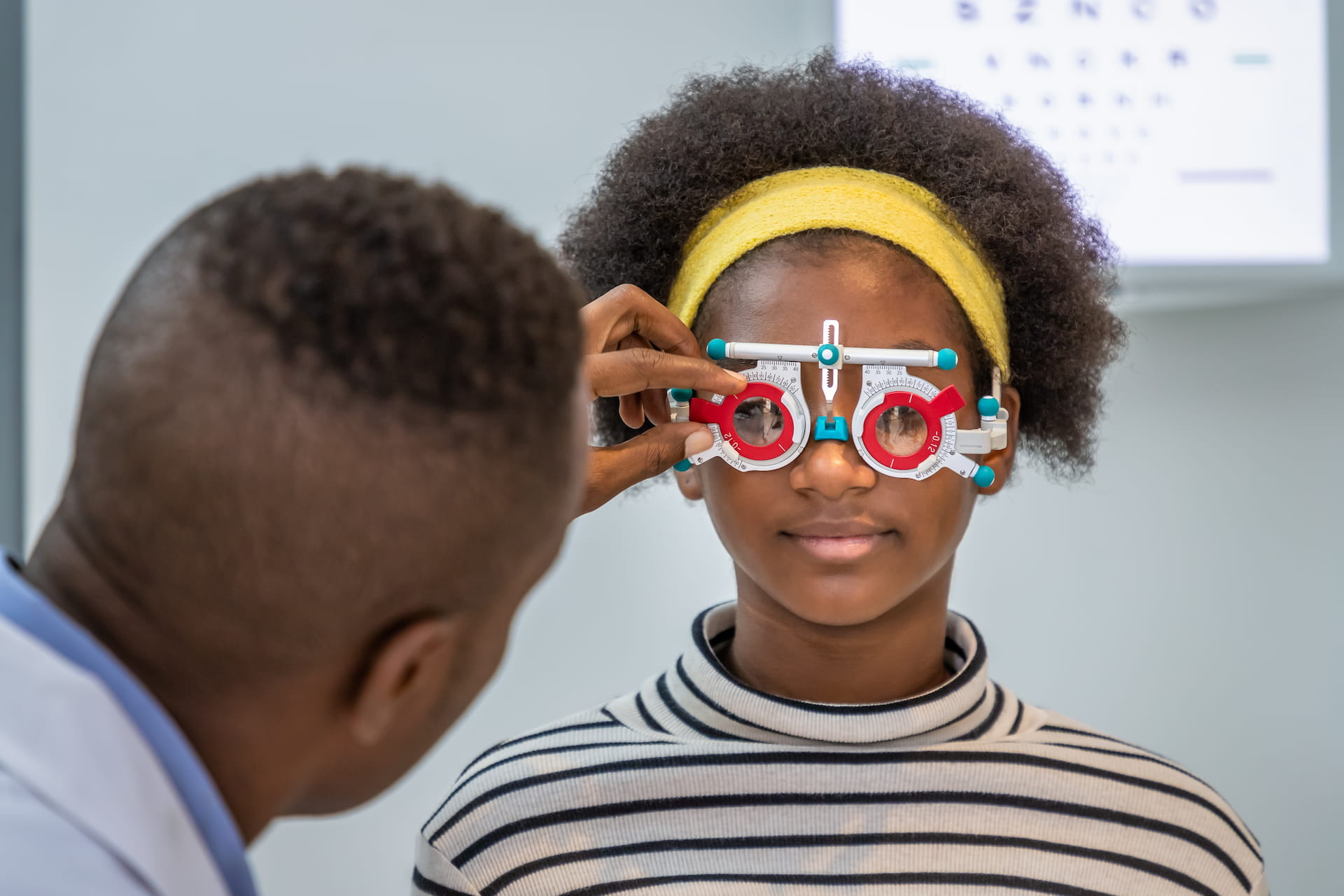
If you notice persistent vision complaints, abnormal visual behaviors, failed or borderline vision screenings, or concerns raised by parents or teachers, your patient should be referred for a comprehensive eye examination.
“Any of these patterns is worth mentioning at your [patient’s] next well visit — or sooner if it’s affecting daily life,” Dr. Hight said. “I am always happy to hear from families about any concerns they may have so we can address it sooner and work together to help get their child back on track.”
By recognizing these warning signs during back-to-school visits, primary care providers can help ensure vision problems are identified early, supporting children’s academic success, confidence, and long-term eye health.
By subscribing, you consent to receive emails from BlackDoctor.pro You may unsubscribe at any time. Privacy Policy & Terms of Service.
Are you a healthcare professional? Register with us today!