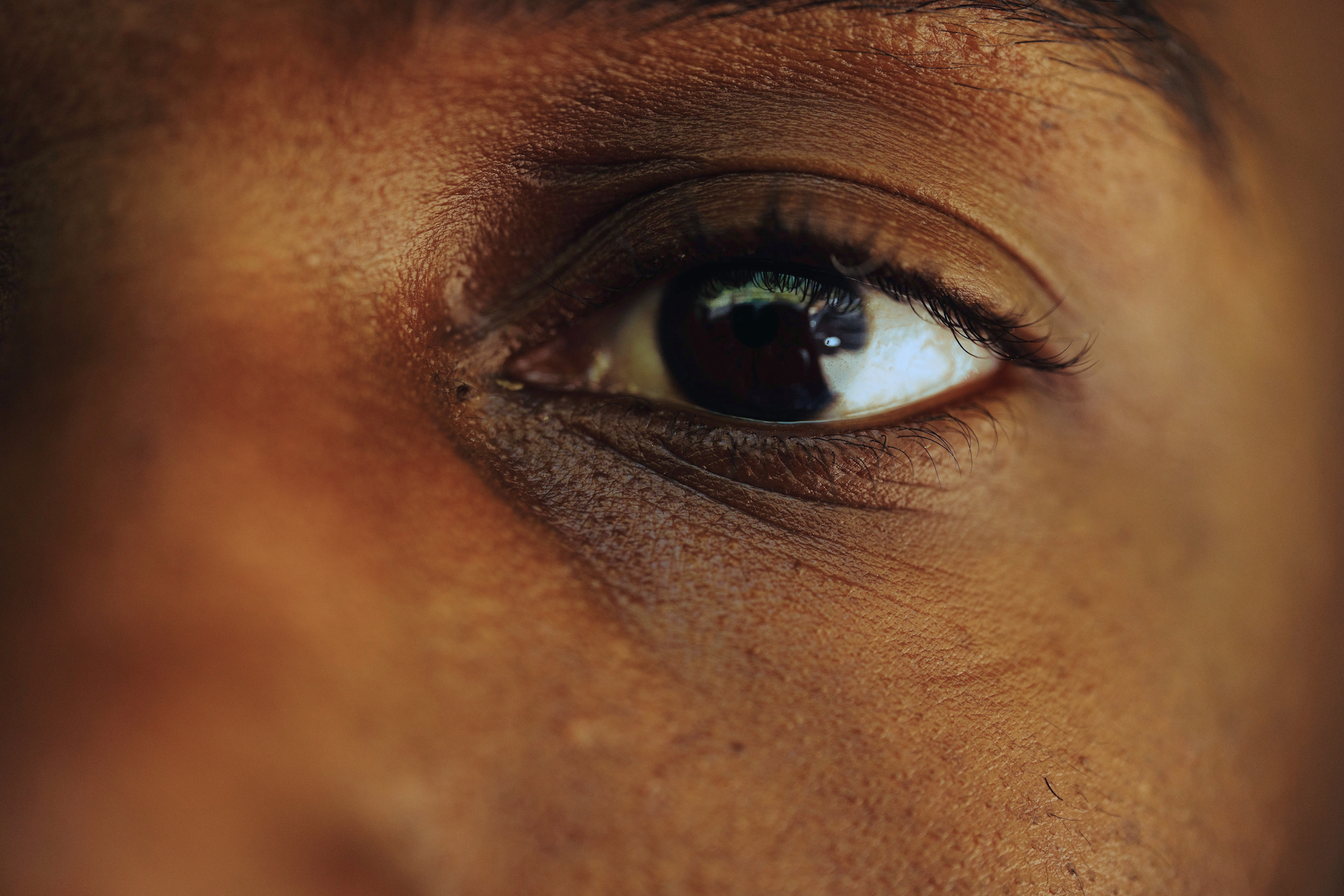
According to a 2022 study by the New York Eye and Ear Infirmary of Mount Sinai, the rates of open-angle glaucoma among Black Americans are significantly higher than among white Americans. Black Americans are up to six times more likely to have vision loss due to glaucoma. The National Eye Institute shows there are over 825,000 Black Americans with diabetic retinopathy, with that number projected to rise to 1.2 million by 2030. They are 1.7 times more likely to develop diabetes than white Americans and have a significantly higher probability of experiencing vision loss as a consequence. The CDC says that 90 percent of blindness caused by diabetes is preventable.
Now that it is widely known that Black Americans are also likely to develop cataracts earlier, get later detection, and experience loss of vision more, even though they are highly treatable, clinicians may have to go the extra mile to help patients before they experience preventable blindness.
Here’s how clinicians implement practical strategies for preserving lifelong eye health in Black patients.
Glaucoma is one of the most concerning conditions because it often develops without noticeable symptoms. The disease damages the optic nerve, and once vision is lost, it cannot be restored.
Raymond Douglas, MD, PhD, a board-certified oculoplastic surgeon, explained that both biological and systemic factors influence glaucoma risk among Black Americans. Genetic research has identified variants associated with primary open-angle glaucoma, including changes involving the myocilin and CDKN2B genes that may make some individuals more susceptible to optic nerve damage. Harvard Medical School explores racial disparities in glaucoma prevalence, and prior studies have also identified a significant trust gap between patients and providers.
Diabetes and hypertension also play major roles in eye health. Poorly controlled blood sugar can damage the blood vessels in the retina, leading to diabetic retinopathy, a major cause of preventable blindness. Similarly, vascular damage from chronic hypertension can affect the delicate structures that support vision.
“Many individuals delay seeking care until symptoms appear, despite conditions such as glaucoma and diabetic retinopathy remaining asymptomatic in early stages,” said Karen Allison, MD, MBA, FACS, a board member of Prevent Blindness and a board-certified ophthalmologist and Associate Professor of Clinical Ophthalmology – Glaucoma Division at the Flaum Eye Institute at the University of Rochester. “Maintaining eye health is an integral part of overall wellness, connected to the management of chronic diseases, aging, and overall quality of life.”
Black Americans are more likely to develop glaucoma, often at younger ages and with more aggressive disease progression. This creates a longer period of risk before diagnosis and treatment.
Dr. Douglas explained that Black patients may have biological differences that increase susceptibility to pressure-related optic nerve damage. However, he also highlights another major contributor: delayed detection and treatment. This suggests that healthcare systems are not always responding proportionately to the level of risk and need.
Access barriers can compound these challenges. These barriers also affect cataract outcomes. Cataracts are common with aging and can usually be treated effectively through surgery, but delayed diagnosis may allow them to become more advanced.

For patients with diabetes, ensuring regular retinal screening is essential. For older adults, cataract evaluations should be incorporated into preventive care.
Dr. Allison said there should be annual dilated eye exams for all patients with diabetes, high myopia, family history of glaucoma, or age 40+ in high‑risk groups. People with diabetes should be seen at least once per year.
“Prompt referrals are essential, particularly for cases involving diabetic retinopathy, suspected glaucoma, or visually significant cataracts,” she explained. “Utilizing tele-ophthalmology, including retinal imaging conducted in primary care settings, can significantly improve detection rates.”
Other innovative interventions should include implementing collaborative care models that involve optometrists, ophthalmologists, endocrinologists, and primary care providers meeting people where they are. Screenings in places of worship and community centers could go a long way to reach patients earlier.
“The disease does not announce itself,” Dr. Douglas said. “There are no warning signs, and the only way to detect it early is to come in for an exam.”
Dr. Douglas emphasized that the clinical conversation itself is a tool for improving follow-through. “What you say in the exam room is as important as the exam itself,” he explained.
With 20 years of experience offering ocular treatment to many different patient populations, he recommends Black Americans complete glaucoma screening by age 35, five years earlier than the standard age of 40 — or “even sooner if there is a family history or diabetes in the picture.”
To improve outcomes in Black patients, primary care clinicians can incorporate eye health into chronic disease management. Patients with diabetes, hypertension, family history of glaucoma, or other risk factors should have their eye screening history documented and receive timely referrals when indicated. A missed ophthalmology appointment may reflect transportation challenges, cost concerns, competing caregiving responsibilities, or mistrust, rather than a lack of concern about health. Addressing these barriers directly can improve continuity of care.
“Your average cataract can be addressed with a standard, traditional surgery, with a low risk profile,” said Daniel Brocks, MD, Chief Medical Officer at Boston Sight. “However, a very progressed, advanced, dense, ‘over-ripe’ cataract can create a more challenging surgery with a much higher risk profile. It is not by chance that such advanced cataracts are seen far more in certain patient populations who have less access to care and less education about their ocular health.”

Black patients experience higher rates of glaucoma, diabetic eye disease, and preventable vision loss due to a combination of biological, social, and healthcare access factors. Early detection is critical for this patient population because many vision-threatening diseases progress silently before symptoms appear. Clinicians can reduce disparities in Black communities by strengthening screening, improving patient education, addressing barriers to care, and coordinating referrals.
By subscribing, you consent to receive emails from BlackDoctor.pro You may unsubscribe at any time. Privacy Policy & Terms of Service.
Are you a healthcare professional? Register with us today!