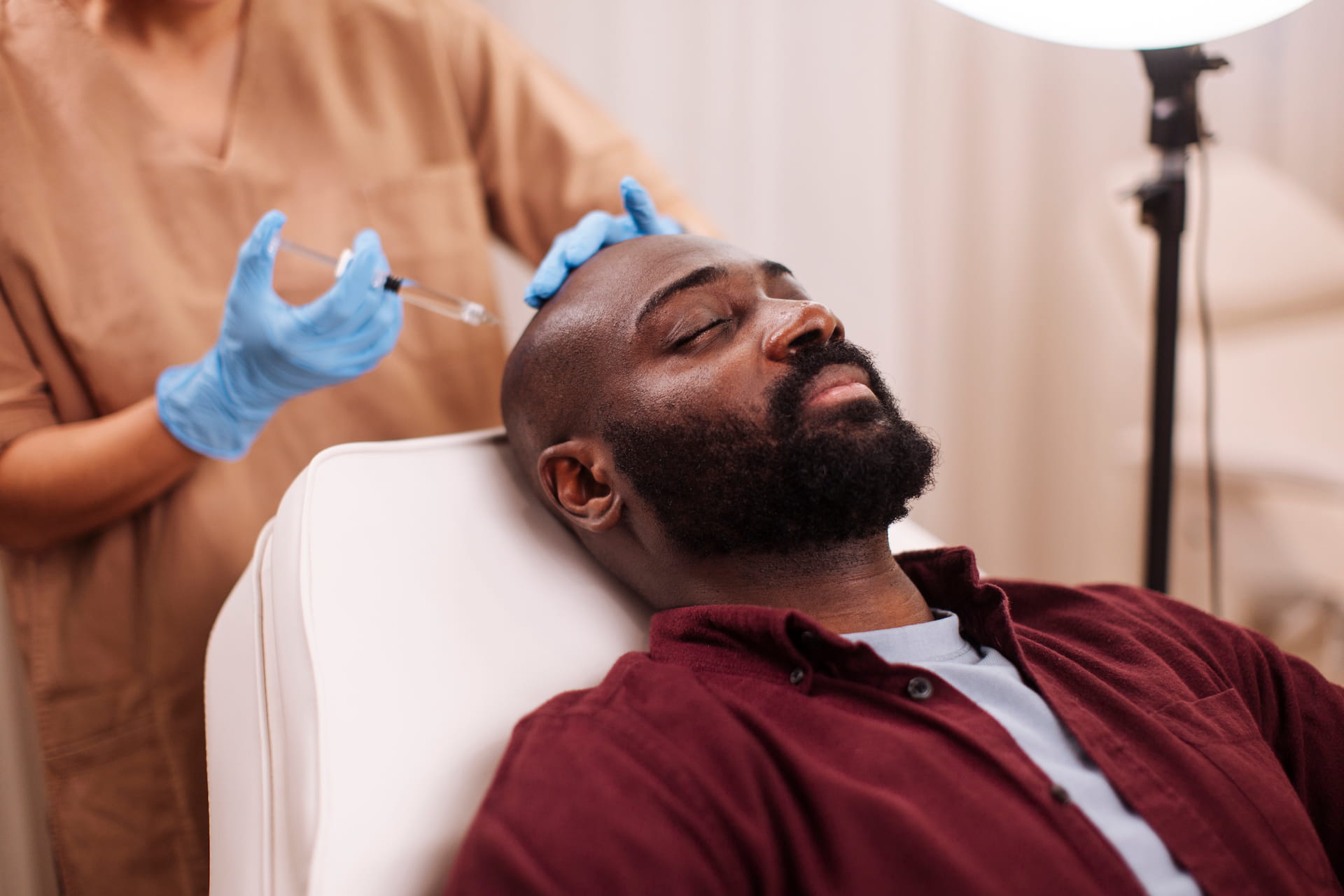
National Hair Loss Awareness Month is an opportunity to explore the growing demand for hair restoration procedures and to examine the physician’s role in helping patients make informed decisions. Hair loss, called alopecia, is not just a cosmetic concern. For patients experiencing androgenetic alopecia, alopecia areata, traction alopecia, or other forms of hair loss, hair restoration can involve years of medications, topical creams, mildly invasive procedures, and significant financial investment. While some kinds of baldness are treated with medications such as minoxidil and finasteride, other conditions may require transplantation, grafts, and hair follicle cell (HFC) treatments.
For clinicians, the challenge is not simply determining whether a patient wants or needs a hair transplant but helping patients understand what a procedure can and cannot accomplish. Moreover, as patients try to balance cost against results, physicians are often called to weigh in on patients’ medical tourism decisions. Rather than discourage patients from medical tourism altogether, physicians can help them better understand the risks. Physicians must explain that the stakes can be particularly high for patients with tightly coiled hair, as harvesting techniques require specialized expertise.
“Hair transplantation is the most effective way to restore hair for people with pattern hair loss,” said Debra Jaliman, MD, Assistant Clinical Professor at the Icahn School of Medicine at Mount Sinai. “During the procedure, healthy hair follicles are moved from the back of the scalp, where they are usually resistant to hair loss, to areas where the hair has thinned. Because these transplanted follicles keep their natural resistance to hair loss, the results are typically long-lasting and look very natural.”
Downsides include the high cost and risk of infection and scarring. Also, a hair transplant does not create new hair. It moves hair from one part of the scalp to another, and the amount of donor hair is limited.
Alternatively, the minimally invasive FUE (Follicular Unit Extraction) is another modern hair restoration technique that board-certified hair restoration physician Alan Bauman, MD, ABHRS, uses in his Florida practice, Bauman Medical. He takes follicles from the back and sides of the scalp, where they’re genetically programmed to resist dihydrotestosterone (DHT).
“We do this exclusively with minimally invasive FUE, one follicular unit at a time,” he explained. “No scalpel, no stitches, no linear scar, unlike the old Follicular Unit Transplantation (FUT) strip procedure. With our VIP FUE No-Shave option, a patient can have a procedure on Friday and be back at work Monday, and nobody knows they had anything done. It’s walk-in, walk-out under gentle local anesthesia, and we see about a 99 percent growth rate.”
That said, it still is a surgical procedure that can take time to yield results, with curly hair taking 12-18 months to mature.
A patient asking about a transplant may need a diagnostic workup first. Not all hair loss is androgenetic (genetic hair loss), and treating the wrong condition can delay appropriate care.
“Alopecia areata is autoimmune, and scarring alopecias (like frontal fibrosing alopecia) can actually make a transplant contraindicated while there’s active inflammation,” Dr. Bauman said. “Getting the diagnosis right comes first, every time.”
In addition to taking a patient history and conducting a visual inspection, physicians may order a trichoscopy, AI-driven HairMetrix measurements, a genetic panel, targeted blood tests, or a skin biopsy. For patients with pattern hair loss, medical non-surgical options can include topical foam or oral minoxidil, finasteride for men, spironolactone for some women, and platelet-rich plasma (PRP). Even low-level laser therapy can help awaken weak hair cells.
Diagnostics are needed to determine which treatments will be most effective.
Alternatively, scalp micropigmentation is a cosmetic option that creates the appearance of density or camouflages bald spots. Dr. Jaliman explains that this treatment is a form of cosmetic tattooing that uses tiny pigment deposits to create the appearance of fuller hair. It can also help camouflage scars from previous hair transplants. A trained specialist does the procedure with a micro-fine needle, and it can take two to three sessions to complete. Typically, it will need a refresh every three to five years.
“Texture absolutely matters, and it’s one of the things we evaluate carefully,” Dr. Bauman explained. Afro-textured hair is lower in density but has a lot of curl. “Each fiber is almost kidney-bean shaped in cross-section, and that curl is actually an advantage for coverage, because a curl shades far more scalp than a straight strand.” But he cautions that years of tight braids and chemical straightening can make traction alopecia more common among Black people.
While texture doesn’t change the likelihood that a transplant will work, it does affect the technique applied. Dr. Jaliman added that tightly coiled type 4c hair requires an experienced operator and appropriate instrumentation. When done correctly, she said transection rates and outcomes can be comparable to those achieved with straight hair.
Patients should also receive realistic expectations about timing. Transplanted hairs commonly shed within the first few weeks, with new growth taking months to become visible. Dr. Bauman said curly-haired patients sometimes need more than one session, and their result can take up to 18 months to fully show, versus about 12 for straighter hair. “A 4c patient’s odds aren’t lower than a 1a patient’s,” he said. “Your donor supply and the artistry of the surgeon matter far more than your curl pattern.”
Black patients are particularly drawn to medical tourism for a combination of reasons, including the integration of thorough diagnostics into basic care, affordability of complex procedures, and reduced fear of discrimination in clinical settings.
Lower-cost hair transplantation abroad has made the procedure more accessible, but physicians should ensure patients understand that lower prices may entail additional risks. Turkey is a top destination for Afro-textured hair restoration. Yet recent viral stories about the tragic death of a UK man and the extreme swelling case of an American man have sparked more conversation about worst-case scenarios.
Dr. Jaliman said she is generally not a fan of having hair transplantation outside the patient’s home country because of concerns about complications, oversight, and follow-up. Patients considering international surgery in a place they are not familiar with should take extra precautions to determine exactly who will perform the procedure, confirm that a board-certified physician will be present for surgery and aftercare, and that the procedure will take place in an internationally accredited facility. Physicians can teach patients what to look for in a good surgeon by modeling ideal patient care. Patients should also be proactively educated about common complications, pre-op and post-op medication recommendations (and their equivalent brand names and varieties in the U.S. and the medical tourism site), and how to obtain copies of their medical records.
As a physician often called upon to clean up the results of a poor hair restoration procedure, Dr. Bauman reiterates to his patients, “Done right, this is a lifetime result. It’s worth doing once, and doing it correctly.” He cautions patients to be aware that not all destinations have the same regulations, sterilization, and biohazard handling standards as the U.S., and that an infection on the scalp and head can have severe and dangerous consequences. “I’ve had patients find out their ‘surgeon’ was a real estate agent, and that the person they trusted wasn’t even a physician, just a technician running high volume,” he said.
When something goes wrong overseas, there may be little to no accountability for patient care. Dr. Bauman warns patients that a botched job may not be fixable if the donor supply is finite. Rather than discouraging the search for an affordable option, physicians can encourage patients to verify real credentials and 12-18-month grown-out results.
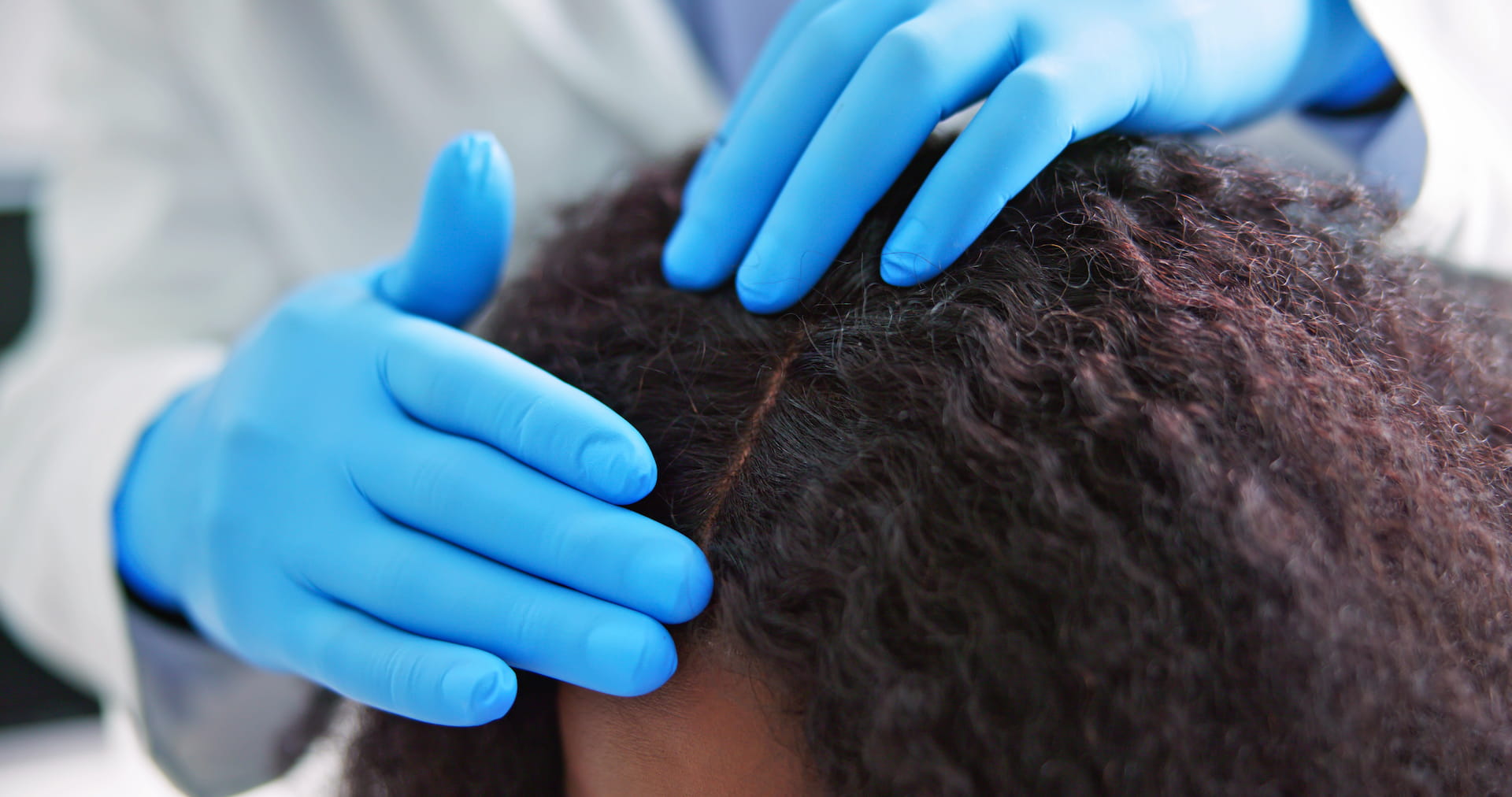
Physicians do not necessarily need to perform hair restoration procedures to help patients have safer outcomes. Before referral or surgery, clinicians can ensure an accurate diagnosis and investigate potentially reversible contributors to hair loss, such as hormonal imbalances and hereditary markers.
Dr. Bauman recommends assessing factors that can affect hair growth and healing, including thyroid disease, low ferritin, vitamin D, and protein intake. Physicians can also set realistic expectations before treatment, especially by researching any possible drug interactions or pre-existing conditions that might otherwise complicate the procedures.
Dr. Jaliman added that physicians can teach patients hard boundaries that are telltale signs that a medical tourism offer is a no-go. “Do not have a session with a large number of grafts (like 5,000),” she said. “You will deplete the donor area. Recommendations are 1,500-2,000 grafts in one session. Wait two weeks before flying home. There is an increased risk of deep vein thrombosis (DVT) and pulmonary embolism,” she recommends.
For physicians counseling patients, the goal should therefore be neither to promote nor discourage hair restoration. It is to help patients understand the causes of their hair loss, determine the best treatment options for them, and learn what to look for in a high-quality medical provider. Continuity of care matters just as much as the procedure itself, and Black patients need particularly skilled surgeons with a proven track record of restoring healthy, tight coil curl patterns.
Key Takeaways
By subscribing, you consent to receive emails from BlackDoctor.pro You may unsubscribe at any time. Privacy Policy & Terms of Service.
Are you a healthcare professional? Register with us today!