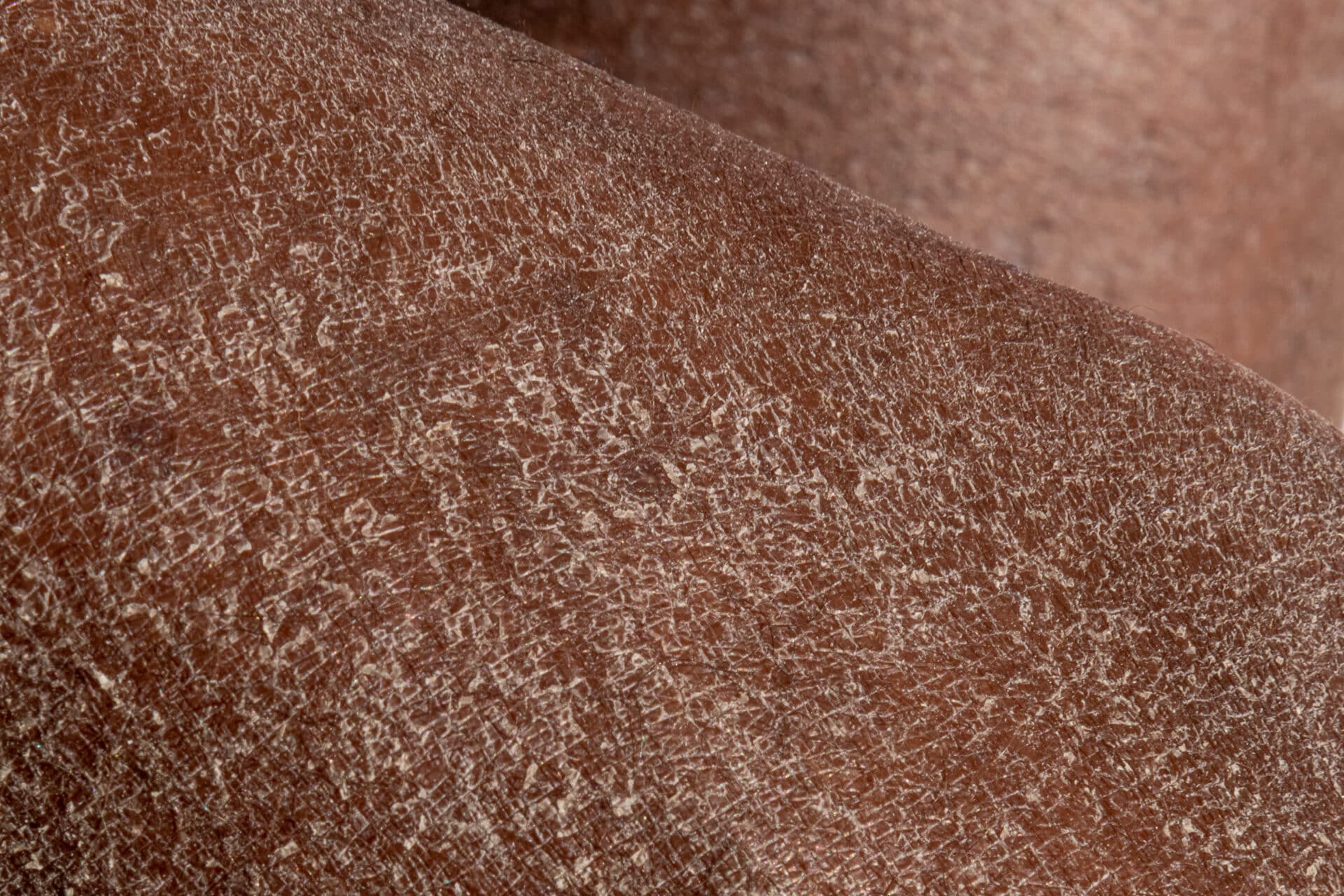
Eczema in Black patients presents uniquely, requiring tailored management for optimized outcomes. Explore management strategies and disparities today.
Atopic dermatitis (AD), commonly referred to as eczema, is a chronic inflammatory skin condition characterized by pruritus, erythema, and xerosis. While its etiology remains elusive, a complex interplay of genetic and environmental factors is implicated.
AD in Black patients often presents with distinct clinical features. Hyperpigmentation, lichenification, and excoriations are frequently observed. Moreover, AD in this population tends to be more persistent and severe, with a higher prevalence of complications.
The pathogenesis of AD involves a complex interplay of immune dysregulation, epidermal barrier dysfunction, and environmental triggers. Genetic predisposition, particularly filaggrin gene mutations, plays a significant role. Additional risk factors include food allergies, respiratory allergies, and exposure to irritants and allergens.
The clinical course of AD is variable, with periods of exacerbation and remission. Complications include skin infections, sleep disturbances, and impaired quality of life. In severe cases, AD can have a profound impact on physical and psychological well-being.
Management of AD involves a multifaceted approach, including:
It is essential to recognize that AD in Black patients may require tailored treatment approaches due to unique clinical presentations and potential disparities in access to care.
AD is a prevalent and often debilitating condition that disproportionately affects Black individuals. A comprehensive understanding of the disease, its clinical manifestations in this population, and effective management strategies are crucial for optimizing patient outcomes.
By subscribing, you consent to receive emails from BlackDoctor.pro You may unsubscribe at any time. Privacy Policy & Terms of Service.
Are you a healthcare professional? Register with us today!