
In March, the American College of Cardiology (ACC), the American Heart Association (AHA), and nine other leading medical associations issued updated guidelines, replacing the 2018 version, on managing dyslipidemia.
Dyslipidemia is a condition characterized by abnormal levels of bad lipids in your blood, including triglycerides and cholesterol. High levels of low-density lipoprotein-cholesterol (LDL-C), or “bad” cholesterol, increase the risk of heart attack or stroke. It is estimated that 1 in 4 U.S. adults has high LDL cholesterol levels. Physicians will use these updated guidelines to assess and treat individuals with dyslipidemia based on their risk of developing atherosclerotic cardiovascular disease (ASCVD), which is caused by a buildup of fatty deposits in the arteries.
Black people have a higher prevalence of hypertension, stroke, heart failure, and cardiovascular mortality, but are less likely to receive the right preventive care, including prescribed lipid-lowering treatments.
“Cholesterol targets are back,” says Vanda Carapichoso, MD, an intensive care physician and founder of VC Care, an international medical service provider supporting elderly and dependent adults. “For years, doctors focused more on ‘just take a statin’ without a specific number to hit. The new guideline restores LDL cholesterol and non-HDL cholesterol treatment targets to guide how intensely doctors should treat each patient. Think of it like setting a speed limit. Now there’s a clear goal, instead of just saying ‘drive slower.’”
The updated guideline consolidates evidence-based recommendations that encourage earlier intervention through healthy lifestyle changes, reinforce lower LDL-C target goals, offer new testing and treatments, and provide guidance for managing lipids in specific populations.
Here are the major updates to the new guidelines and how the changes affect Black patients.
From the ten key takeaways in the guidelines, here are five major themes that support improved heart health outcomes for patients.
Earlier intervention leads to better health outcomes, as years of exposure to high cholesterol increase the risk of adverse health outcomes. The guideline encourages physicians to start lifestyle counseling — such as eating a healthy diet, getting regular exercise, and not smoking — at a young age.
Particularly for youth with familial hypercholesterolemia (FH—an inherited condition caused by high cholesterol), young adults with high LDL cholesterol, or those with a family history or early onset ASCVD, the guidelines recommend physicians consider starting cholesterol-lowering medications earlier.
The guidelines offer improved risk assessment tools to make more accurate predictions and thus better decisions about who needs cholesterol medications.
A new tool called the PREVENT calculator (Predicting Risk of Cardiovascular Disease EVENTs) is more accurate to estimate a patient between 30-79 years old’s 10-year and 30-year risk of heart attack or stroke. After using the PREVENT calculator, physicians should consider personal factors such as family history, reclassify it based on additional tests, and reassess treatment (the CPR method).
The guidelines also suggest other tests to support assessments and treatments where appropriate. Testing for Apolipoprotein B (ApoB), a protein found on LDL cholesterols, can give a more accurate picture of heart disease risk, especially for people with diabetes, high triglycerides, or low LDL cholesterol after starting medication. Measuring Lipoprotein(a) (Lp(a)), a type of cholesterol particle that is largely genetic, at least once can help personalize a patient’s treatment, as high levels of Lp(a) increase the risk of heart disease.
Selective use of Coronary Artery Calcium (CAC) scans can also help guide treatment. A CAC scan is a type of CT scan that detects early calcium and plaque buildup in the heart’s arteries. The test can be helpful for men over 40 and women over 45 to look directly at artery health when there’s a borderline or intermediate risk in the next ten years of a heart attack or stroke.
The guideline brings back specific targets for cholesterol levels, with lower LDL-C levels remaining a priority. The LDL-C goal for those with borderline or high risk should be less than 100 mg/dL, and for those at very high risk, less than 70 mg/dL. For individuals who are at high risk of ASCVD events, the LDL-C goal should be less than 55 mg/dL.
The guideline also lowers the bar for starting cholesterol-lowering medication. Previously, treatment was initiated at higher-risk levels (≥10 percent). Now, physicians can consider LDL-lowering treatment for adults with borderline risk (3 percent to <5 percent) of ASCVD in the next 10 years, while they should consider it for adults with intermediate risk (5 percent to <10 percent) after a clinician-patient discussion.
The guidelines also encourage physicians to consider factors beyond just cholesterol levels. If adults between 45 and 70 have other conditions like diabetes, HIV, or chronic kidney disease, LDL-lowering therapy is recommended — regardless of their cholesterol levels — because these conditions increase the risk of heart disease. After the age of 75, physicians can consider LDL-lowering medications, in addition to encouraging healthy lifestyle changes to reduce ASCVD risk.
For patients with high triglycerides, statins (cholesterol medications) are still the first-line treatment, coinciding with healthy lifestyle changes. Statins reduce the risk of heart disease, even if a patient’s main problem is high triglycerides. For patients with very high triglycerides, medications to lower levels may be needed to prevent pancreatitis.
The updated guidelines set stricter cholesterol goals for people who’ve already had heart attacks or strokes. Patients who’ve already had a heart event are at very high risk for another one, so aggressive thresholds are necessary. To help prevent secondary events, the LDL-C goal is now <55 mg/dL.
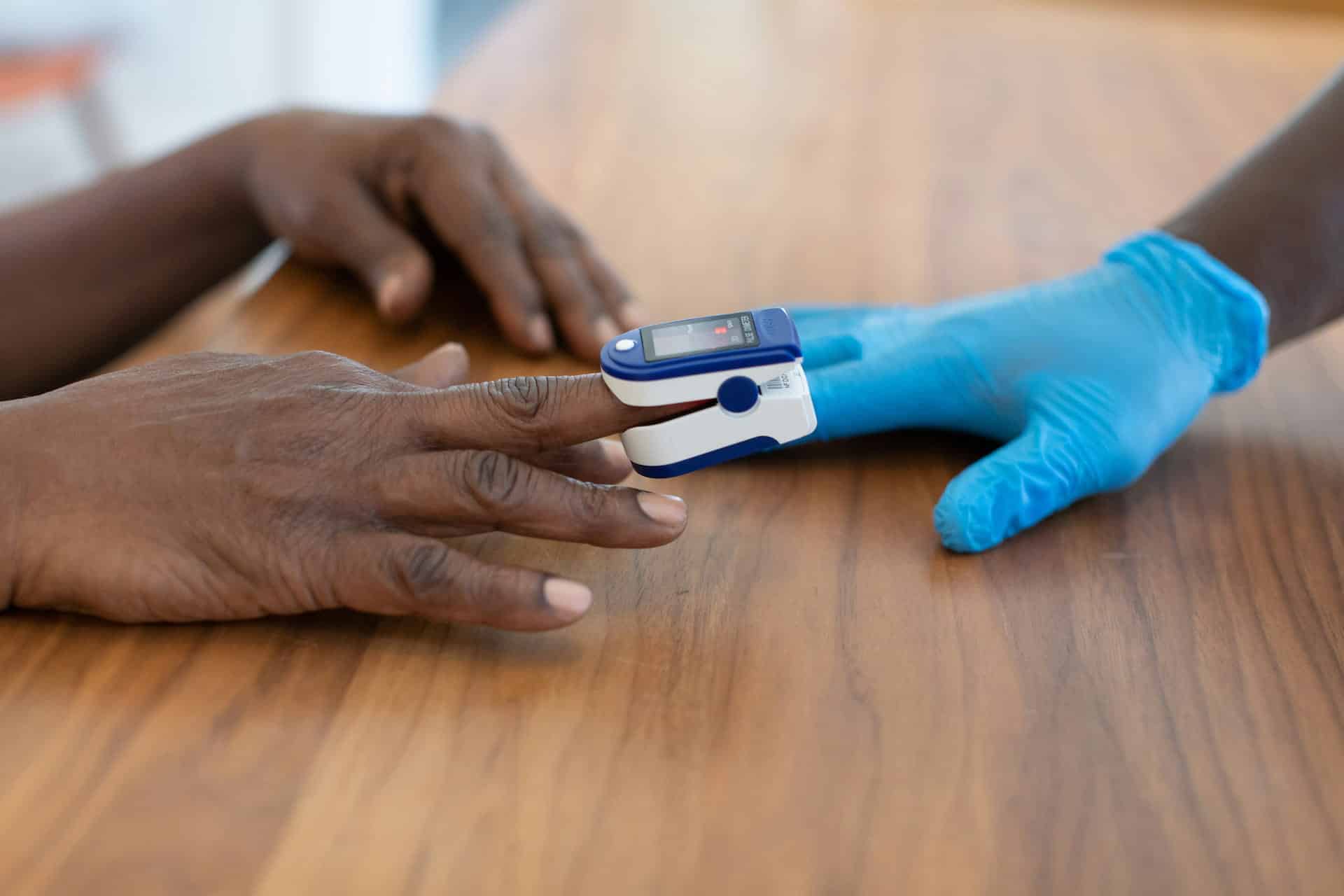
Dr. Carapichoso says that, on paper, Black people tend to have better-looking cholesterol numbers. “Black people generally have a healthier lipid profile, lower triglycerides, and higher HDL (“good”) cholesterol, compared with other ethnicities,” she says. “Paradoxically, they do not experience a decreased risk of the cardiometabolic diseases that these lipid levels are supposed to predict.”
In other words, the “good” numbers on a standard cholesterol panel don’t translate into protection. “Black people have a higher prevalence of stroke and heart attack than white people, yet their lipid profile (low triglycerides and high HDL) is considered both surprising and paradoxical,” Dr. Carapichoso explains.
This paradox of having lower blood lipid levels and higher high-density lipoprotein cholesterol (HDL-C), the “good” cholesterol, is something physicians have to be aware of. Even with these numbers, Black patients have a greater chance of dying from heart disease. The physiological reasons for these risk factors could include hypertension, stress, and obesity, but many of the risk factors and outcomes related to cardiovascular disease in Black patients are often related to the social determinants of health (SDOH) — access to health care, education, income, access to healthy food, and stable living environments.
So, lipids aren’t the only factor to consider when it comes to ASCVD in Black patients. The 2026 management of dyslipidemia guideline does make some advancements in this area, taking steps to widen the scope of testing. Testing for Lp(a) at least once, for example, could potentially be a significant step forward in assessing genetic predisposition to ASCVD in Black patients, as studies show that Black individuals tend to have higher Lp(a) levels than white patients. Automatic treatments for patients with other diseases could help high-risk groups.
”Standard tests designed for early detection of insulin resistance often use elevated triglycerides as a diagnostic criterion,” Dr. Carapichoso explains. “However, insulin resistance, cardiovascular disease, and type 2 diabetes are not usually associated with high triglycerides in people of African descent, so these screening tests may miss disease that is actually present.” “Researchers are now exploring other molecules, like sphingolipids, that may help explain why African Americans develop more cardiovascular disease despite having lipid profiles that would be considered protective in white Americans.”
While the guidelines reiterate healthy lifestyle counseling earlier, she says that, for the Black community, aggressive blood pressure control is arguably more impactful than LDL-lowering.
For providers with Black patients, consider more than just lipids and cholesterol when it comes to determining a patient’s risk of developing ASCVD. Physicians should consider a holistic, personal approach that includes social determinants of health, such as access to care and testing, food inequity, the environment, and stressors. Supporting early intervention, including developing healthy lifestyle habits, and offering accessible, low-barrier options for testing are also important.
Dr. Carapichoso notes that the new dyslipidemia guidelines acknowledge more medication options. “There are now several effective and safe treatment options for adults with dyslipidemia who have cardiovascular disease or are at increased risk,” she says. This means physicians have to do their homework to understand the available options and recommend the best course of action that aligns with their patients’ risk profiles, including the unique challenges Black patients may face.
By subscribing, you consent to receive emails from BlackDoctor.pro You may unsubscribe at any time. Privacy Policy & Terms of Service.
Are you a healthcare professional? Register with us today!