
Shingles is often under-recognized in Black patients due to misconceptions about risk and presentation. This clinical oversight stems from a historical lack of medical literature focusing on dark skin tones. However, timely intervention is possible if clinicians explore how symptoms present differently in Black patients. Because early intervention is critical to reducing long-term complications, healthcare providers’ role in patient care is vital. Similarly, providers can help patients understand vaccination options that they might not have even considered.
Gaining clarity on prevention strategies and patient education allows clinicians to improve diagnostic accuracy and patient outcomes.
Herpes zoster, commonly known as shingles, is a neurological and dermatological condition caused by the re-awakening of the varicella-zoster virus, the same pathogen responsible for chickenpox.
After an initial chickenpox infection, the virus stays dormant in the body. It resides permanently within the cranial nerve ganglia or dorsal root ganglia of the nervous system. The virus can remain in this hibernation phase for decades.
But when cellular immunity declines due to aging, stress, or immunosuppressive conditions, the virus can awaken. “When the immune system begins to weaken and is less effective at combating viral infections, the virus will begin to multiply again,” explains Elizabeth Rubin, MD, Clinical Advisor at Embers Recovery. This underlying nerve inflammation occurs before skin rashes and high temperatures become visible.
The classic clinical presentation of shingles is a blistering skin rash, but this description relies heavily on how the condition appears on fair skin. In Black patients, early signs of herpes zoster are frequently misdiagnosed or overlooked because the erythema may be subtle, absent, or present as hyperpigmentation (dark spots) rather than a bright red rash. When clinicians fail to recognize these variations, diagnoses are delayed, and patients are sent in search of medications that don’t address the virus itself. To control the fever and rash, over-the-counter medications can help. But to address the full two- to six-week duration of a shingles episode, patients need antivirals and pain management.
Delayed treatment heightens patient risk of developing debilitating postherpetic neuralgia, burning pain on the skin and nerves.
Diagnostic accuracy requires providers to shift their focus from visual appearance to patient history. “Clinicians will need to rely on a patient’s report of disproportionate pain relative to what they can see clinically, as well as a unilateral rash or hyperpigmentation,” Dr. Rubin says.
Furthermore, neuropathic pain may appear before and after a visible rash. Clinicians should investigate any sudden hyperpigmentation and take patient complaints about pain seriously.
Dr. Rubin outlines the multi-step approach patients must take, as preventing shingles is all about overall wellness, which includes:
Providers must proactively remind patients that these healthy lifestyle habits are part of prevention. Maintaining cellular health, managing chronic conditions, and reducing stress are essential to preventing shingles before it starts. All are necessary to support a strong immune system. People with immunosuppressive conditions should consider vaccination early and work with their providers to ensure it is integrated into an overall medical treatment plan.
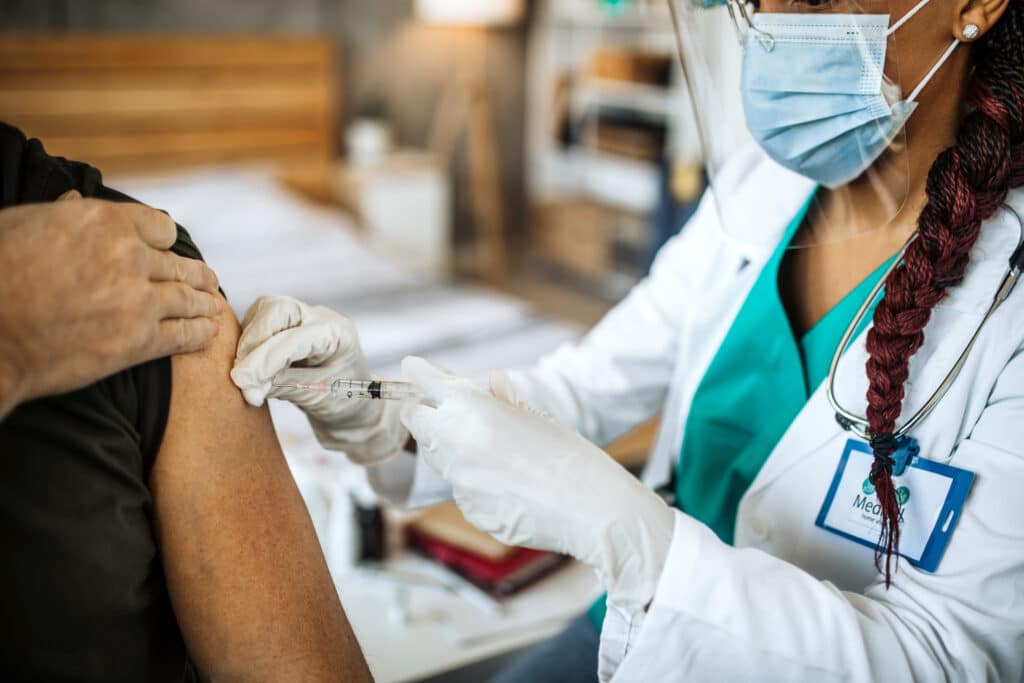
Public and provider misconceptions create dangerous delays in shingles and treatment, particularly for Black Americans. A common myth is that shingles only affects the elderly, which can lead to younger patients being misdiagnosed with muscle strains or contact dermatitis. Additionally, many people believe that shingles always presents as an obvious, bright red rash, leading them to ignore early signs such as localized tingling, burning, or dark skin patches. These delays prevent patients from receiving antiviral therapy within the critical 72-hour window from symptom onset, leading to worse clinical outcomes.
Dr. Rubin says there is a misconception that shingles rarely affects Black Americans, which makes it even harder for doctors to diagnose this disease earlier. “Early symptoms can be hard to see, and so, we often don’t see these patients until they’re much worse off.” Doctors must actively unlearn these myths to ensure they catch infections early and treat all their patients as effectively as possible.
Similarly, patients need to research vaccine facts and not assume that their insurance won’t cover it. When people think of adult immunizations, they immediately think of high out-of-pocket costs, but many private insurance plans do cover shingles vaccinations — especially when prescribed by a physician. Also, as of now, the Shingrix vaccine is covered by Medicare Part D and Medicaid for most adults.
Below are the key takeaways for clinicians caring for patients susceptible to shingles:
By subscribing, you consent to receive emails from BlackDoctor.pro You may unsubscribe at any time. Privacy Policy & Terms of Service.
Are you a healthcare professional? Register with us today!