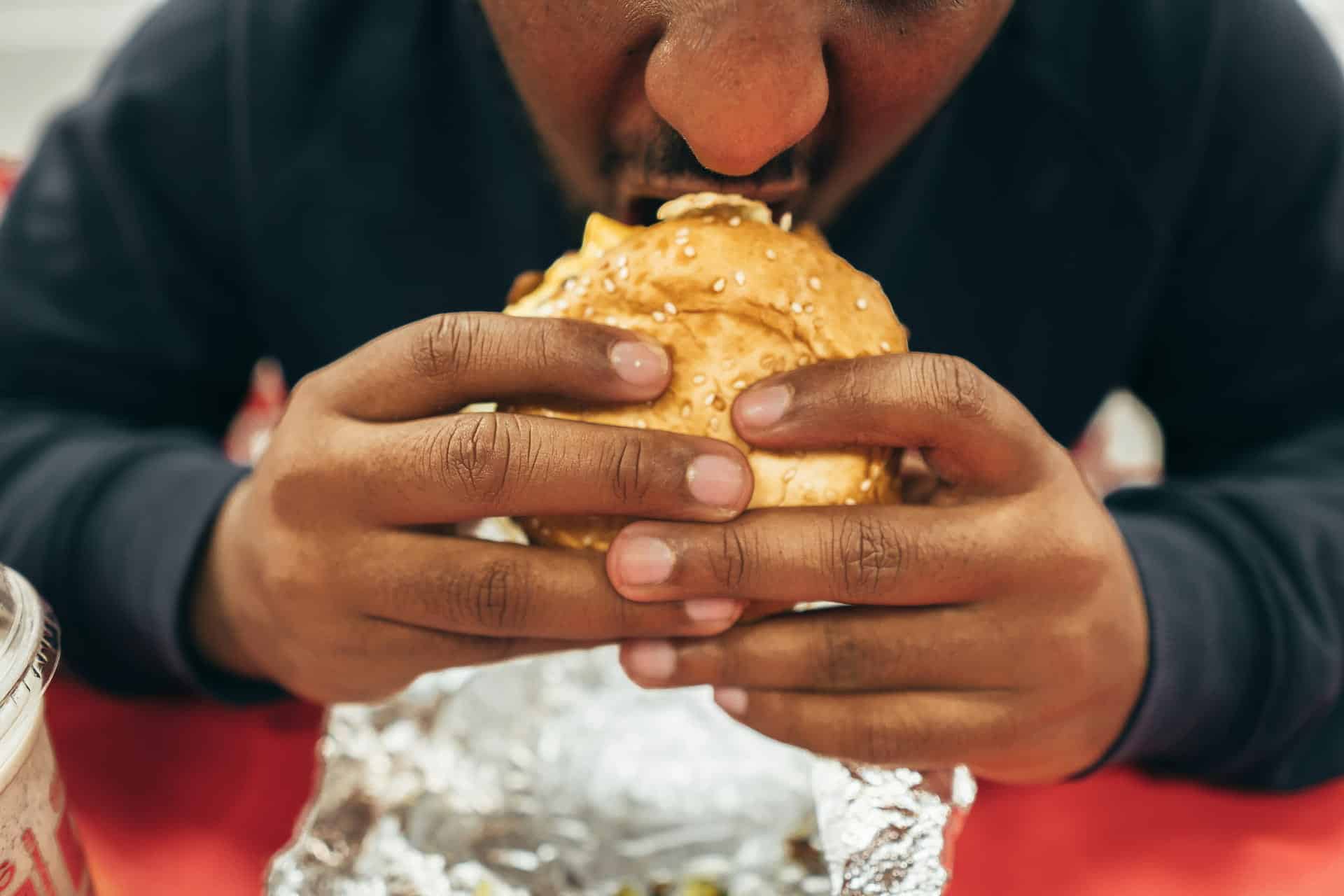
Ultra-processed foods might be linked to a higher risk of prostate cancer, a new study says.
Men who ate the most ultra-processed foods had as much as a 34 percent higher risk of prostate cancer, compared to those who ate less, researchers reported recently in the American Journal of Medicine.
“Among adult men in this nationally representative U.S. population, those who consumed higher amounts of UPFs had significantly higher risks of the subsequent development of prostate cancer,” said senior researcher Dr. Charles Hennekens, a professor of medicine and preventive medicine at Florida Atlantic University.
“These findings add to emerging evidence that UPFs have major adverse health effects and underscore the need for large-scale observational studies and randomized trials to adequately test the hypothesis,” Hennekens said in a news release.
Ultra-processed foods typically contain a wide variety of additives to make them more tasty, attractive and shelf-stable, including colors, emulsifiers, flavors and stabilizers. They also have reduced nutritional value, researchers said.
Examples include packaged baked goods and snacks, sugary cereals, ready-to-eat or ready-to-heat products and processed meats, like hot dogs.
In the United States, these industrially produced foods account for 60 percent of adults’ energy intake and 70 percent of kids’ diets, researchers said in background notes.
Previous studies have linked ultra-processed foods with a higher risk of excess weight, diabetes, inflammation, heart disease and premature death, researchers said.
For the new study, researchers analyzed data for more than 17,000 U.S. men 18 and older who participated in a national health and nutrition survey between 2003 and 2023.
Researchers used 24-hour diet tracking to first estimate the number of daily calories from ultra-processed foods. Then, they tracked the men to see if they developed prostate cancer.
The study found that men who ate the most ultra-processed food had a 24 percent to 34 percent increased risk of prostate cancer. Despite the numbers, eating less processed food can be a challenge, researchers said.
“Reducing consumption of UPFs is a complex public health challenge, particularly given how prevalent and accessible these products are,” researcher Timothy De Ver Dye said in a news release. He is a professor and chair of FAU’s Department of Population Health.
“Healthcare providers should recognize that many patients face barriers to accessing and affording healthier food options,” Dye said. “Addressing these challenges will require efforts that extend beyond individual choices to support greater access to nutritious, minimally processed foods.”
Hennekens said the findings hold a message for healthcare providers.
“All healthcare professionals should encourage patients to adopt healthy lifestyle practices and evidence-based therapies, while also helping them reduce their consumption of ultra-processed foods,” he said. “Patients and their healthcare providers should consider this finding as part of broader efforts to promote healthier dietary choices.”
Black men are disproportionately affected by prostate cancer, being 1.7 times more likely to be diagnosed and twice as likely to die from the disease than white men. About 1 in 6 Black men will be diagnosed in their lifetime, and the condition often develops at a younger age and in a more aggressive form.
Dietary habits are just one potential, modifiable piece of a much larger risk picture for prostate cancer. Studies suggest that there are multiple contributing factors for the disease, but race-specific dietary findings have been inconsistent.
Here are some practical strategies for discussing diet with patients at high risk of developing prostate cancer:
Recommending dietary changes to patients should not be presented as a substitute for appropriate prostate cancer risk assessment and screening discussions. For Black men, conversations about prostate cancer risk may warrant particular attention because of their elevated risk.
For clinicians, encouraging individualized discussions that consider age, family history, and other relevant risk factors can help paint the larger picture of a patient’s risk of prostate cancer.
More information
The American Heart Association has more on ultra-processed foods and health.
SOURCE: Florida Atlantic University, news release, Aug. 12, 2026
By subscribing, you consent to receive emails from BlackDoctor.pro You may unsubscribe at any time. Privacy Policy & Terms of Service.
Are you a healthcare professional? Register with us today!