
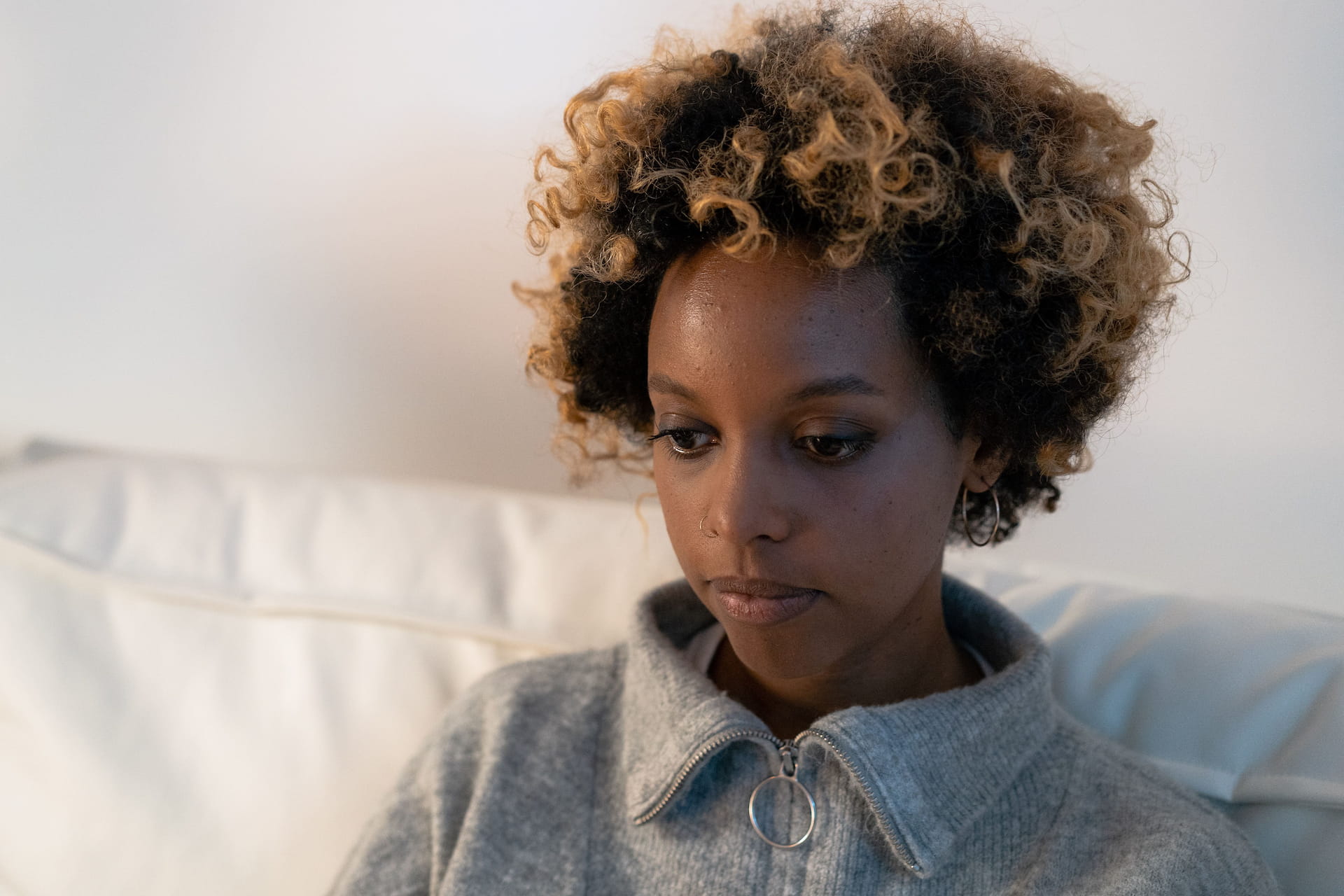
Women with autoimmune diseases are more likely to have a doctor tell them it’s all in their mind, a new study reports.
Women struggling with diseases like rheumatoid arthritis, lupus, and multiple sclerosis face an uphill battle getting a proper diagnosis, researchers reported Oct. 12 in the journal eClinicalMedicine.
Instead of answers, doctors were more likely to misdiagnose their autoimmune condition as a psychiatric or psychosomatic problem, researchers found. Psychosomatic disorders are real physical symptoms that cause a person extreme stress or fear, but don’t point to a clear medical cause, explains the Mayo Clinic.
“The differences between the sexes in misdiagnoses for people with autoimmune diseases is stark,” co-researcher Shaista Tayabali, a patient activist suffering from lupus and living in Cambridge, England, said in a news release.
“Although labels such as hysteria are outdated, and fortunately rarely used nowadays, as women we still often have a harder time having our symptoms believed and therefore addressed accurately,” Tayabali said.
Autoimmune diseases are notoriously difficult to diagnose, because they cause broad symptoms like fatigue, pain, poor sleep and mood problems, researchers said in background notes.
“Patients with autoimmune diseases can present with symptoms that can initially be difficult to explain medically, and sometimes it can take months or years before a diagnosis becomes clear,” lead researcher Melanie Sloan, an assistant research professor with the University of Cambridge, said in a news release.
For the new study, researchers followed more than 6,600 people with autoimmune diseases, of whom more than 9 in 10 (91 percent) were women.
About 43 percent of women reported that their autoimmune symptoms had been previously misattributed to a psychiatric cause, compared to 33 percent of men, results showed.
Likewise, 34 percent of women were told that their symptoms were psychosomatic, compared to 22 percent of men.
Overall, women were 50 percent more likely to report having received a psychiatric misdiagnosis, and nearly 75 percent more likely to report a psychosomatic misdiagnosis, researchers concluded.
Interestingly, men with an autoimmune disease were more likely to be misdiagnosed with a different physical ailment, 48 percent versus 44 percent.
“The fact that females reported higher rates of psychiatric and psychosomatic misdiagnoses than males, yet reported lower misdiagnoses for other physical diseases, suggests that historical gender biases remain a challenging aspect of the diagnostic journey,” Tayabali said.
Women reported longer periods between the onset of symptoms and receiving their diagnosis, and required more doctor’s visits, researchers found. Reported time to diagnosis among men was generally less than three months, but among women was one to two years.

“Our findings highlight that psychological or mental health explanations can be given too soon,” Sloan said. “This is true for both sexes, but our study suggests that females may be particularly vulnerable to these types of misdiagnoses.”
Doctors need to consider autoimmune diseases as a diagnosis before resorting to psychiatric or psychosomatic diagnoses, researchers concluded.
“This is not about saying that a psychiatric diagnosis is never correct,” senior researcher Dr. David D’Cruz, a consultant rheumatologist at Guy’s Hospital in London, said in a news release.
“People can have both autoimmune and psychiatric conditions, and it is increasingly understood that psychiatric symptoms can be part of an autoimmune disease, especially in diseases like lupus, which can directly affect the brain. They can also be a very natural response to living with life-changing illnesses,” D’Cruz said.
“The important message is that when symptoms persist, evolve or involve multiple systems, clinicians must be open-minded and consider whether there is an underlying autoimmune disease that has not yet been recognized — and to listen to patients,” D’Cruz concluded.
More information
The Autoimmune Association has more about getting a diagnosis for an autoimmune disease.
SOURCE: University of Cambridge, news release, Oct. 12, 2026
By subscribing, you consent to receive emails from BlackDoctor.pro You may unsubscribe at any time. Privacy Policy & Terms of Service.
Are you a healthcare professional? Register with us today!

