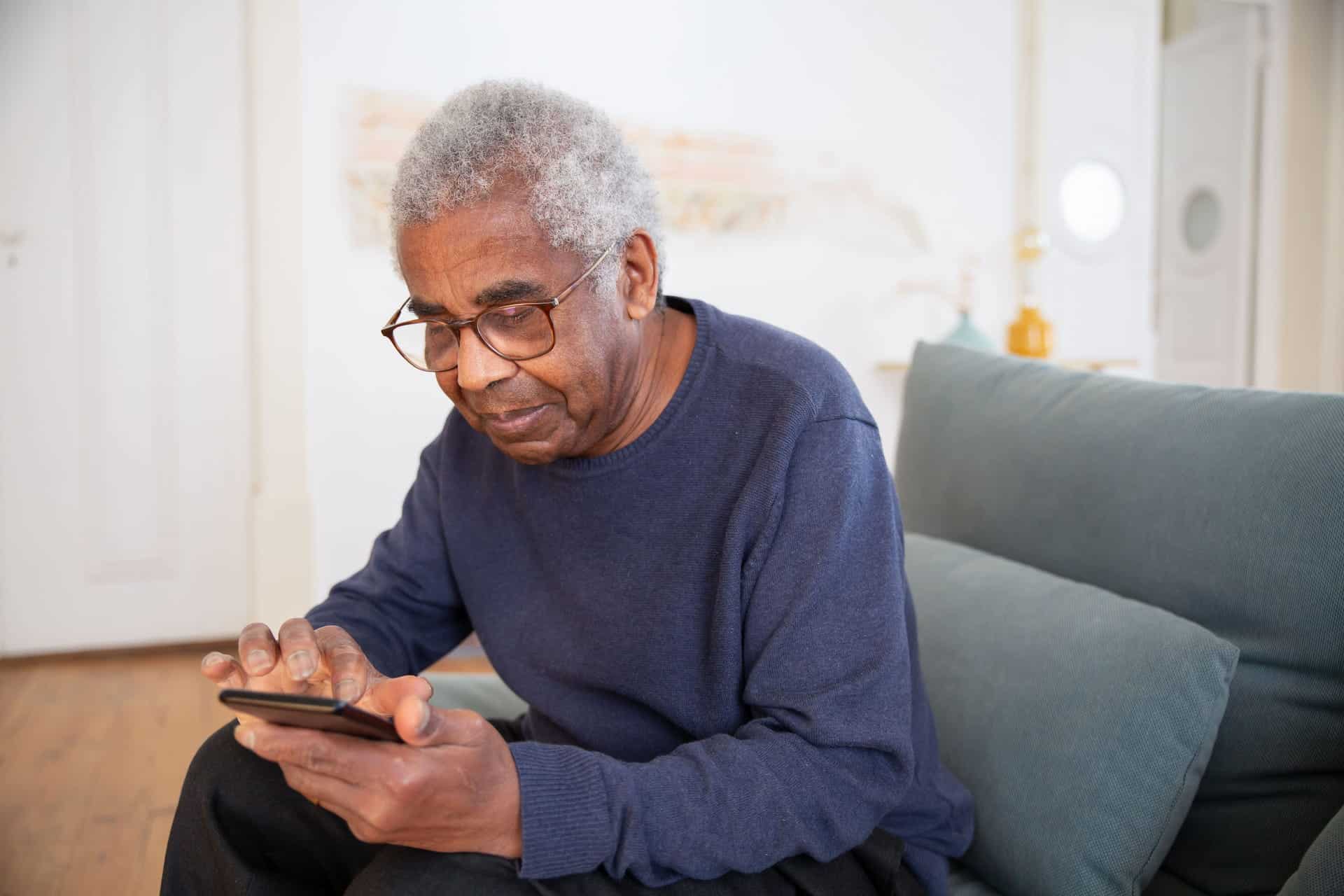
Digital health tools such as patient portals, online scheduling, telehealth, prescription refill systems, and apps have become standard parts of healthcare delivery. Yet many families and caregivers struggle to navigate these tools. For older adults, people with chronic conditions, and underserved communities, digital barriers can affect access to care.
HealthDesk, a program developed at George Washington University, offers insights into how healthcare organizations can better support patients and caregivers through digital literacy coaching.
Clinicians who understand these barriers can play a significant role in helping caregivers stay connected to care.
Neal Sikka, MD, Vice-Chair of the Department of Emergency Medicine at the George Washington University School of Medicine and Health Sciences at Capital Medical Group, led the development and implementation of HealthDesk.
The program was originally created to address:
“Many people that we’ve talked to have heard about their portal, maybe even logged into the portal when they were at the doctor’s office once, but then the password gets lost or expires, and they have a lot of challenges getting back into it,” Dr. Sikka said. “Or they don’t know all the features that are available within the portal.”
While patient portals and other digital health tools may help support patients between appointments, healthcare systems shouldn’t automatically assume portal enrollment equals meaningful engagement. Patients and families may still need support navigating these tools to have the biggest impact.
Through several coaching sessions, Dr. Sikka and the HealthDesk team have identified several challenges caregivers can face when utilizing digital health tools.
These include:
These concerns may be particularly relevant among historically marginalized populations, including Black communities that have experienced longstanding barriers to healthcare access and trust.
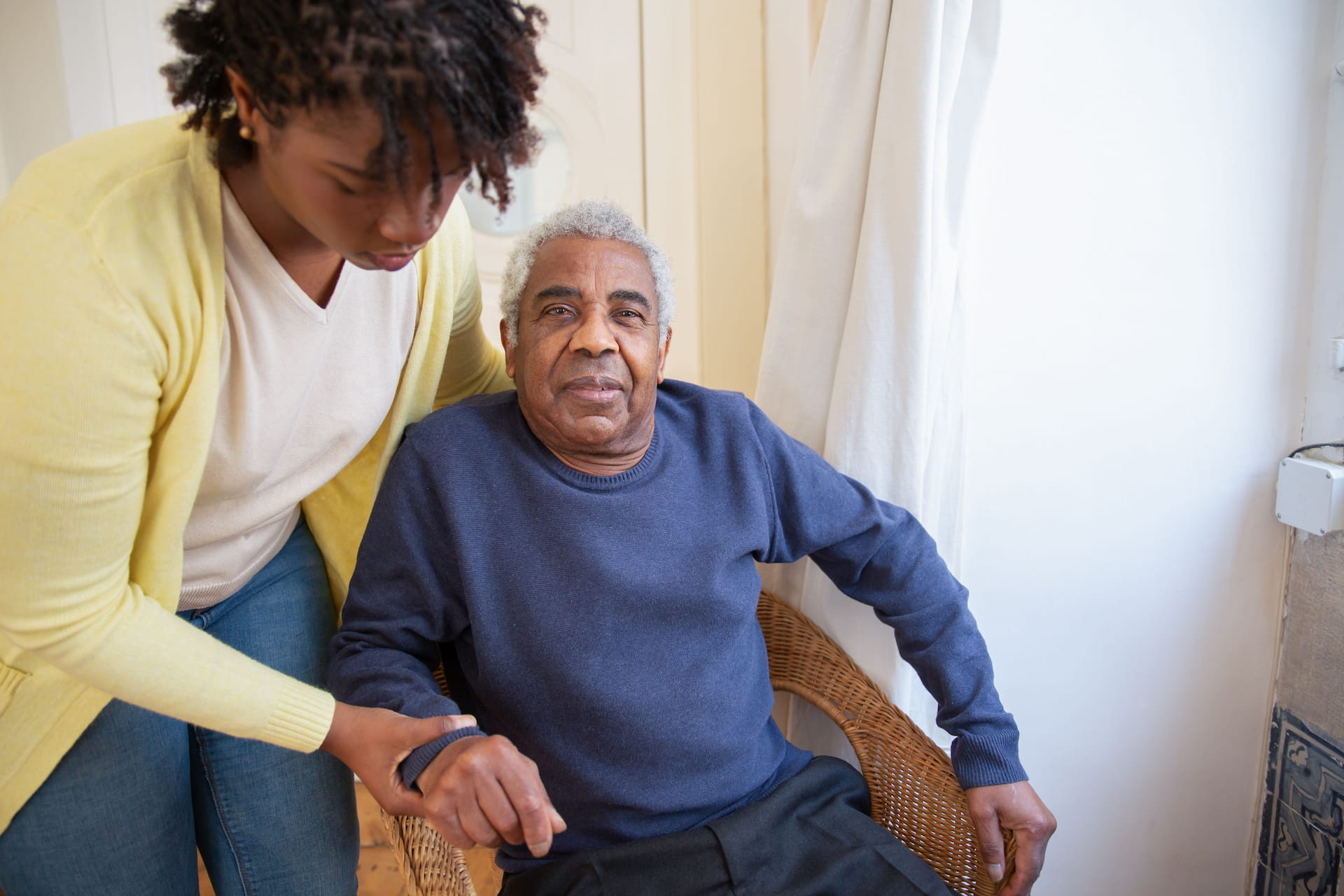
While advancements in technology have been beneficial for the healthcare system, it alone doesn’t solve digital health inequities. According to Dr. Sikka and Dr. Batra, providing devices alone is insufficient. Patients still need personalized support.
The HealthDesk program allows people to meet with human coaches who can catch nonverbal cues that they might be struggling with digital health technology and walk them through those challenges in real time.
“We developed an augmented reality system where a coach could be virtual, and you could see their hands telling you what to do, which could be feasible in the future,” Dr. Sikka said. “But the human touch is a really important complement to the technological components of healthcare.”
Even for patients who believe they know how to navigate digital health tools, HealthDesk has identified a few knowledge gaps, highlighting the importance of ongoing education.
“We had a coaching session where [a patient] was very confident and comfortable that she knew how to use her portal and had all the information she needed,” Dr. Sikka said. “Our coach identified that she didn’t know she could access real-time lab results, and that she could invite her family caregivers to have their own portal without sharing her password.”
HealthDesk begins with identifying what matters most to the patient or caregiver.
This can include:
“We set up booths at federally qualified health centers, and have giveaways to attract patients,” Dr. Sikka explained. “We usually have one or two coaches available, and try to create a clean and digital experience, like you’re going to the Apple Genius Bar.”
This personalized coaching approach can help improve engagement, reduce frustration, increase confidence, and encourage long-term technology adoption.
For clinicians, rather than asking the patient, “Do you use the portal?” you may get better results by asking, “What healthcare task is hardest for you to manage right now?”
In addition to on-site coaching sessions at healthcare facilities, HealthDesk also offers home visits, where coaches can help caregivers schedule follow-up appointments, obtain medication refills, and prepare for telehealth visits.
As the program expands, Dr. Sikka highlighted hospital discharge as a particularly relevant intervention point for families and caregivers.
“Working with case management and at the point of discharge or pre-discharge might help patients get to their follow-up appointments,” he explained. “Maybe a telehealth appointment post-discharge and communicating with their care team if something didn’t go well – like you don’t get your medicines, couldn’t fill your prescription, or have new symptoms or questions – may hopefully prevent readmissions.”
These interventions may help reduce common transition-of-care failures that contribute to avoidable readmissions.
Programs like HealthDesk can help address a common challenge the healthcare system faces: gaining a patient’s trust. “Every touchpoint that a person has with the healthcare system can increase or decrease the level of trust they have with the system at large,” Dr. Batra said. “It’s about the individual, too. Some people have a lot of faith and trust in their doctor, but maybe not in broader systems.”
Digital health support may seem operational, but it also supports patient engagement, relationship-building, and trust. For Black patients and other historically underserved populations, these supportive touchpoints can help address long-standing barriers related to healthcare access, communication, and trust.
As healthcare continues its digital transformation, access alone is no longer enough. Caregivers and patients need practical support to use tools that can help improve care. Programs like HealthDesk demonstrate that digital health literacy coaching can strengthen patient engagement, improve care coordination, and help caregivers navigate increasingly complex healthcare systems.
For clinicians, investing in digital health education may be one of the most effective and underutilized strategies for improving health outcomes beyond the exam room.
By subscribing, you consent to receive emails from BlackDoctor.pro You may unsubscribe at any time. Privacy Policy & Terms of Service.
Are you a healthcare professional? Register with us today!