Spring 2024 COVID boosters may target vulnerable groups. Consider early vaccination to prevent severe illness in high-risk patients.
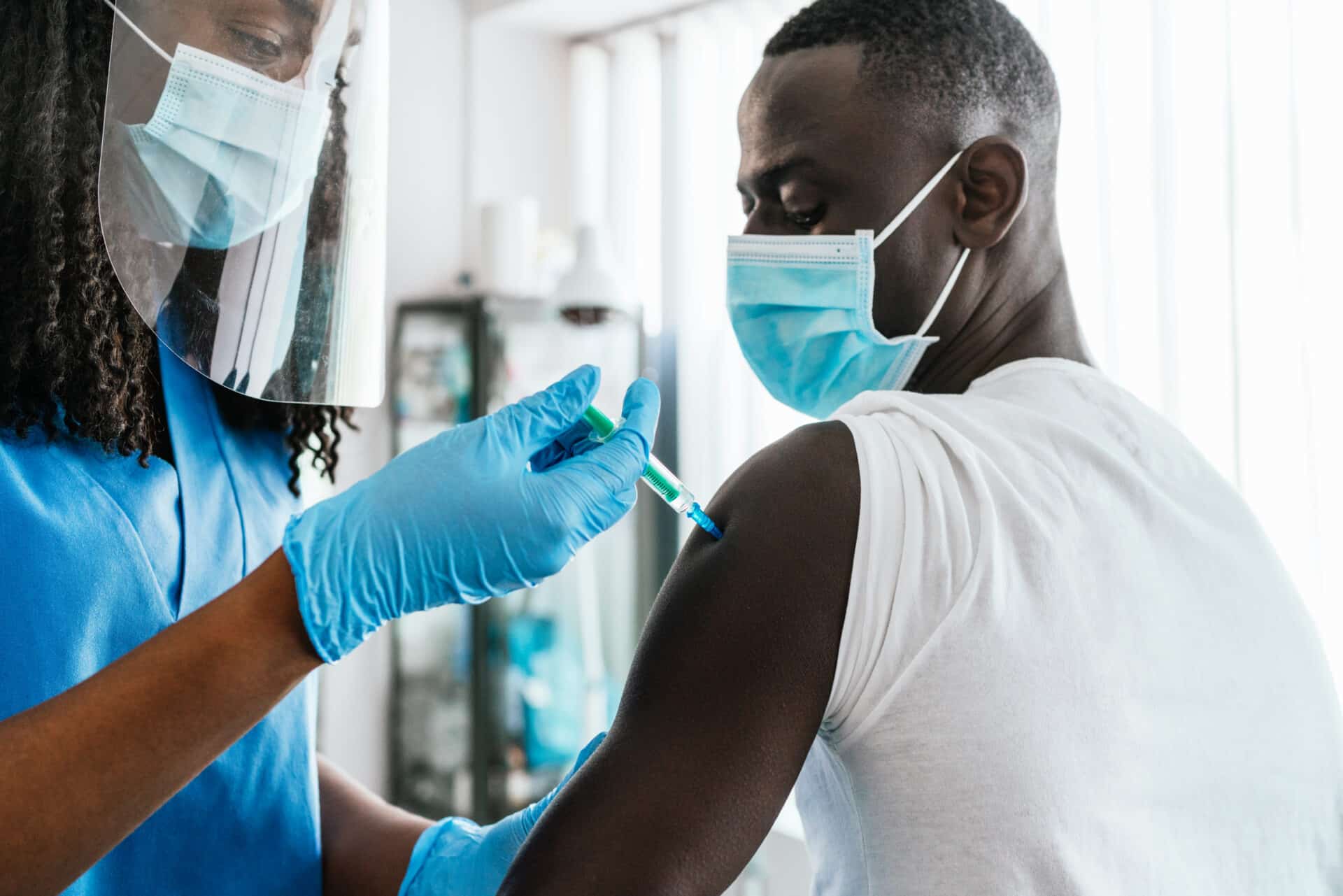
The U.S. Centers for Disease Control and Prevention is weighing whether to recommend another COVID booster shot this spring, most likely for those who are vulnerable to severe illness.
An advisory panel to the CDC is expected to vote on whether to recommend a spring booster during a Feb. 28 meeting, a source close to the panel told NBC News. The panel is expected to focus on the safety of high-risk Americans, including people 65 and older and anyone with a weakened immune system.
“The discussion will be aimed at the people who are most accepting of public health recommendations,” Dr. William Schaffner, an infectious diseases expert at Vanderbilt University Medical Center in Nashville, Tenn., told NBC News. “The committee, in its rigorous fashion since the question has come up, will be considering a second dose for people at high risk or for people who wish to get it.”
A spring booster would be the same shot approved last fall, which targets the XBB.1.5 subvariant. Luckily, that booster formulation also works well against the JN.1 subvariant, the leading cause of most COVID infections in the United States at the moment.
Experts said a spring booster shot makes sense.
“Waiting till the fall, I think, is a mistake,” Michael Osterholm, an infectious disease expert and director of the Center for Infectious Disease Research and Policy at the University of Minnesota, told NBC News. “We have clear evidence that either vaccine or previous infection probably gives four to six months of relative protection against serious illness, hospitalizations and deaths, but wanes substantially after that.”
Still, even vulnerable groups like transplant patients, who tend to follow their doctors’ advice, are feeling vaccine fatigue, Dr. William Werbel, associate director of epidemiology and quantitative sciences with the Johns Hopkins Transplant Research Center in Baltimore, told NBC News.
“Some people have had seven, eight vaccines,” Werbel said. “Transplant recipients would be more receptive and much more likely to follow recommendations, particularly if recommended by the transplant center, but the ceiling is kind of lowered because of this societal fatigue and societal disenchantment with COVID.”
Experts generally recommend that even high-risk patients wait at least two months after a COVID vaccination or COVID infection before getting another shot.
Recent research has shown that people who got the latest booster shot were 54% less likely to be infected with COVID this winter.
More information
SOURCE: NBC News
By subscribing, you consent to receive emails from BlackDoctor.pro You may unsubscribe at any time. Privacy Policy & Terms of Service.
Are you a healthcare professional? Register with us today!