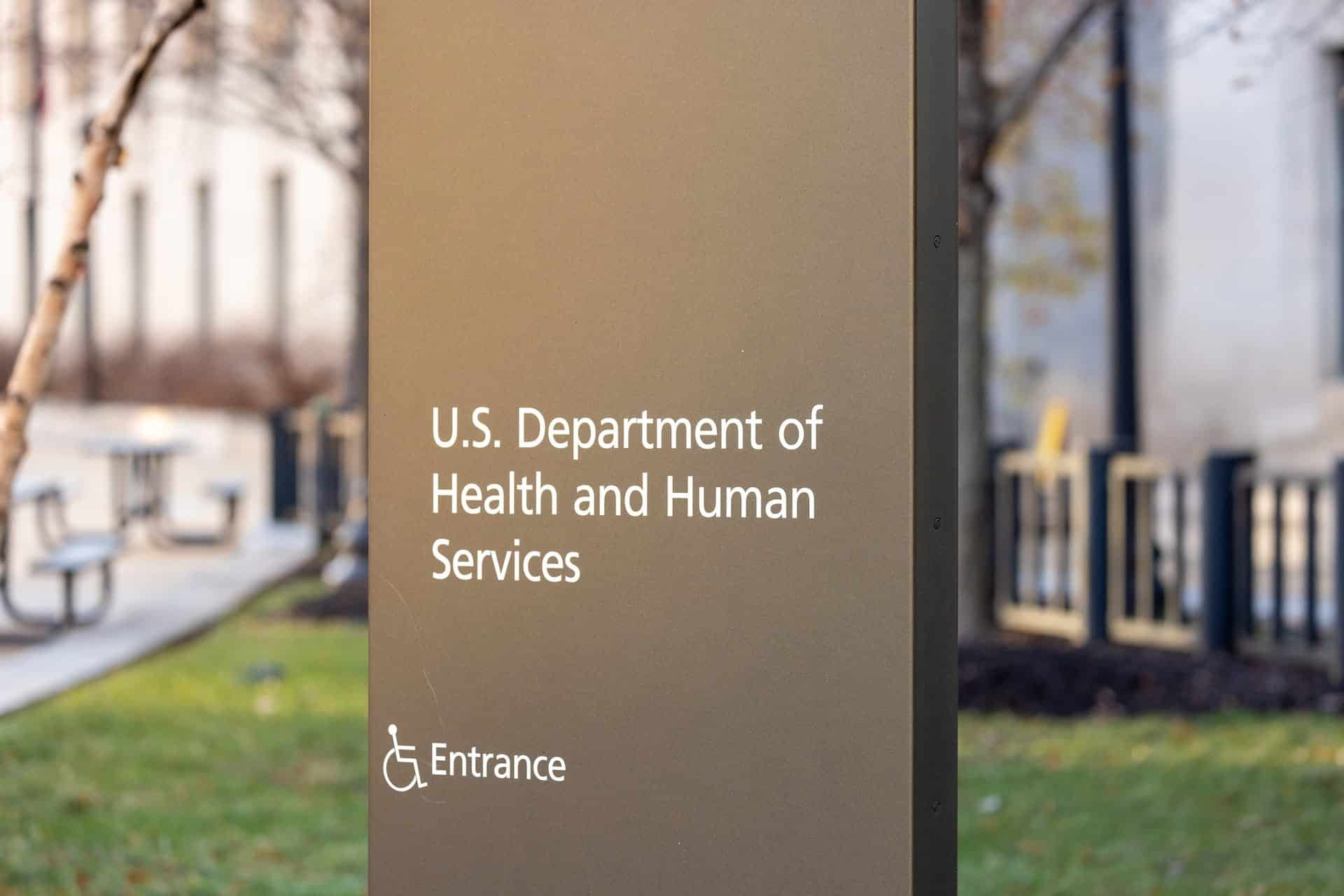
On September 17th, HHS Secretary Robert F. Kennedy Jr. announced the appointment of eight new members to the U.S. Preventive Services Task Force (USPSTF). The additions bring the 16-member panel to full membership and come months after HHS removed two of the Task Force’s leaders.
The USPSTF shapes recommendations for preventive services, such as screenings, counseling, and preventive medications. Those recommendations can help inform conversations between clinicians and patients about preventive care.
The eight new Task Force members are:
The new members bring experience spanning pediatrics, cardiology, gastroenterology, radiology, family medicine, oncology, and health economics. These appointments reflect a shift toward greater specialist representation. HHS said it selected the appointees for their experience evaluating medical evidence and applying evidence-based recommendations to patient care.
The American Medical Association (AMA), however, raised concerns in a shared statement.
“The composition of this new slate represents a significant departure from the Task Force’s traditional membership,” AMA President Willie Underwood, III, MD, MSc, MPH, said. “We believe maintaining a strong primary care voice must remain central to its work. As the USPSTF moves forward, its recommendations must continue to be based on a transparent, rigorous, independent scientific process and informed by the perspective of physicians who deliver preventive care to patients every day. This is essential for ensuring that task force recommendations are trusted by clinicians and followed by patients.”
As mentioned, USPSTF recommendations can shape conversations around preventive screening, counseling, medications, and other preventive services. Clinicians should watch for future recommendations and updates as the reconstituted Task Force resumes its work, as they could lead to changes in practice. The new members will help develop evidence-based recommendations on clinical preventive services. For clinicians, future recommendations and updates could affect how preventive screening, counseling, and preventive medications are discussed with patients.
The new Task Force will continue its work on recommendations for clinical preventive services. Clinicians can watch for future updates to USPSTF recommendations that may affect preventive screening, counseling, and medication discussions in primary care and specialty settings.
For clinicians caring for Black patients, preventive recommendations are one part of the broader clinical picture. Individual risk factors, family history, access to care, and differences in disease burden may also inform conversations about screening and prevention.
By subscribing, you consent to receive emails from BlackDoctor.pro You may unsubscribe at any time. Privacy Policy & Terms of Service.
Are you a healthcare professional? Register with us today!