
Surviving a stroke once does not eliminate the risk of future strokes. According to the American Stroke Association, nearly 1 in 4 stroke survivors will have a second stroke. A stroke is not the end of a clinical journey, but the beginning of an ongoing clinical responsibility to monitor and encourage preventive practices to decrease the risk of a secondary stroke.
The American Heart Association (AHA) notes that 80 percent of strokes are preventable, but Black adults are 43 percent more likely to experience a stroke than the overall population, and they are also more likely to die from cerebrovascular disease.
Here’s how clinicians can identify, monitor, and modify long-term secondary stroke risk for all patients.
Most strokes cause lasting brain damage. Whether patients have experienced an ischemic stroke (the most common type of stroke), a hemorrhagic stroke (bleeding in the brain caused by a ruptured blood vessel), or a transient ischemic attack (TIA) (often called a mini-stroke), they are at elevated risk of a secondary stroke.
Underlying conditions that caused the first stroke are still at play, and now the patient may have damaged blood vessels from the initial stroke. Clinicians should monitor these risks even more closely, especially if the patient has a family history of stroke.
Several overlapping factors can influence recurrent stroke risk. Hypertension is the leading modifiable risk factor for stroke. Close behind, diabetes is another risk factor that is highly prevalent among Black patients.
Other important risks include hyperlipidemia, atrial fibrillation, and other cardioembolic sources. Lifestyle, diet, and behavioral factors can also affect the odds of a secondary stroke; thus, a patient’s risk profile can change over their lifetime.
Physicians can prescribe medication and lifestyle changes to reduce risk, but patients must take charge of their health to address these recurrent concerns and underlying conditions.
In acute care settings or hospitals, clinicians can regularly monitor patient vitals, diet, and medication intake to react quickly and, hopefully, prevent a secondary stroke.
But when a patient is discharged, that supervision ends. It is up to the patient, their family, and their caregivers to ensure they follow the recommended changes to reduce the risk of a secondary stroke.
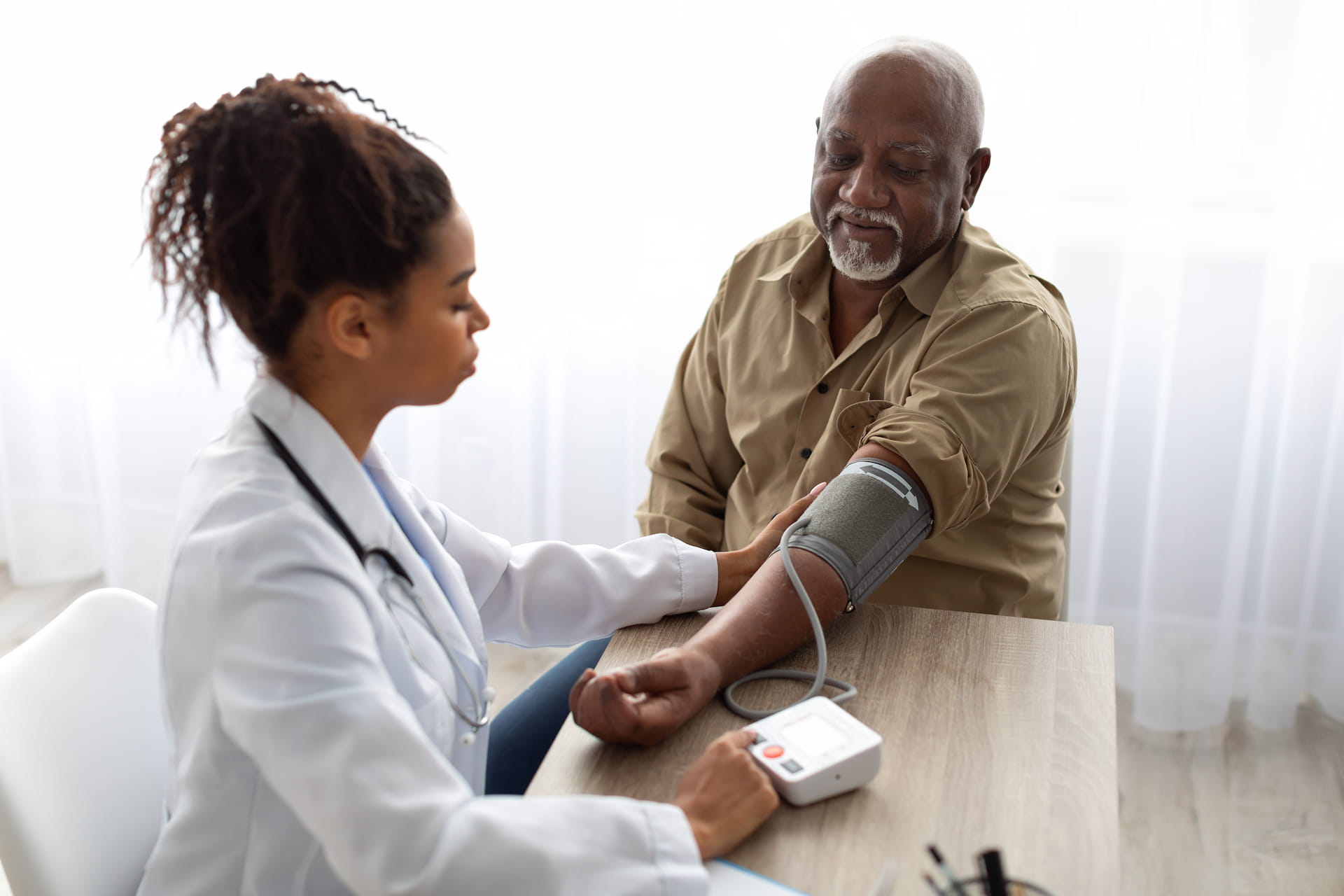
To improve patient outcomes, clinicians must do more than share a discharge plan. Educating patients about the purpose of their medications can increase uptake and reduce dosing errors, duplications, or missed doses. Explaining the importance of monitoring blood pressure gives patients early-detection tools and a data-centered accountability measure.
Physicians can schedule follow-up appointments immediately rather than leaving that to chance. And rather than relying on patient referrals, facilitating inter-provider communication across neurology, primary care, cardiology, and rehabilitation departments can help ensure consistent quality of care.
Clinicians should review physiological markers, lifestyle changes, and family history to monitor secondary stroke risk and determine the best course of action. Biomarkers, including blood pressure, blood glucose, and cholesterol levels, will help determine whether changes are needed for overall heart health.
In many cases, pharmacological prevention includes prescribed statins, anticoagulants, antiplatelet therapy, and/or antihypertensive drugs. Even smoking cessation and occupational therapy could form part of a well-thought-out long-term plan. But each patient may respond differently to doctors’ orders, so a patient-centered approach should consider not only test results but also the patient’s willingness and ability to follow care or referral instructions, as well as caregiver consistency.
A patient may not always be upfront if they aren’t following secondary prevention strategies.
Telltale signs that prevention measures are breaking down include:
A patient’s failure to follow secondary prevention strategies should prompt a pause, not blame. A stroke patient has suffered a traumatic event and brain damage. It may take months or even years to understand the repercussions and lifelong changes triggered by the stroke. Cognitive and physical abilities may be affected in ways the naked eye can’t see.
Financial barriers may also limit a patient’s ability to pay for prescriptions or see physicians. This can be especially true for patients who were their family’s sole or primary earner, and thus may have lost their employment and/or employment-related health insurance as a result of the stroke.
Caregiver support and consistency can also affect a patient’s ability to get to appointments or meet a physician’s home care expectations.
Sometimes, even with ideal secondary prevention strategies in place, there are non-modifiable risk factors, like age, family history, and racial and ethnic disparities, that may perpetually put a patient at higher risk for heart disease and stroke. Heart disease remains the leading cause of death for Black or African American adults, in particular. The two conditions often share similar root causes.
To improve secondary prevention, clinicians should look beyond whether a medication was prescribed or a referral was written and conduct a holistic assessment of a patient’s lifestyle, history, and external socioeconomic factors. Clinicians must proactively assess the medical need for home health aides, for example, rather than relying on a patient or patient advocate to request them. Skilled oversight of continuity of care can be vital to preventing a second or recurrent stroke.
Social and structural barriers can significantly impact the risk of secondary stroke. In addition to the factors already mentioned, social factors such as limited transportation, limited medication access, health literacy, fragmented care, and lack of access to specialists can also affect ongoing care.
For Black patients, discrimination and structural inequities play a significant role in healthcare interactions, particularly in having their symptoms acknowledged and their pain treated fairly. These structural barriers may delay treatment, proper diagnosis of underlying conditions, and adequate support to recover and prevent stroke recurrence.
A proactive clinical approach to post-stroke preventive care can improve patient outcomes.
Clinicians can set up automated processes that leave little to chance: create structured follow-up pathways for stroke patients, encourage better communication between specialties, work closely with pharmacists to outline medication treatment plans, and take a multidisciplinary approach to care. Building trust with patients will be crucial to knowing whether they have truly adopted lifestyle changes or are simply saying so to avoid judgment.
Improving patient education and in-home support can reduce recurrent strokes.
By subscribing, you consent to receive emails from BlackDoctor.pro You may unsubscribe at any time. Privacy Policy & Terms of Service.

Are you a healthcare professional? Register with us today!