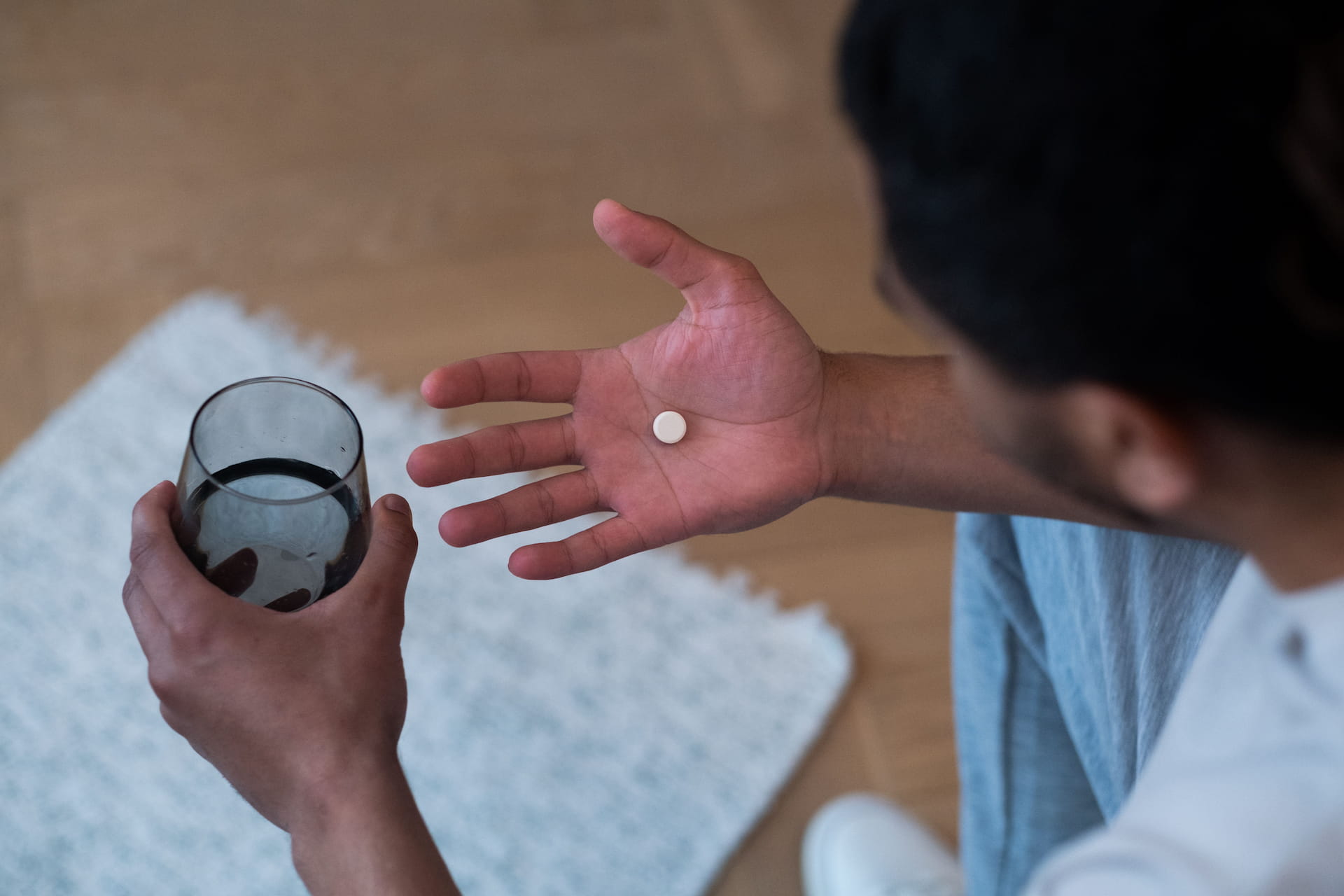
More than a quarter of Americans have exaggerated or invented symptoms to try to get antibiotics from their doctor, a new study says.
The main reason cited by these folks is that they or their kids feel very sick, and they think antibiotics are the only treatment that will work, researchers reported Oct. 30 in JAMA Network Open.
“People are experiencing unpleasant symptoms, and they can have this strong feeling that antibiotics are the only thing that can help them feel better,” lead researcher Alistair Thorpe, a research assistant professor of population health sciences at the University of Utah, said in a news release.
“Being told to just rest and wait is a hard thing to do, and if you think there’s something that could make you feel better, it’s a very hard impulse to override,” Thorpe said.
Unfortunately, it’s a dangerous gambit that could leave the person’s real illness untreated, given that antibiotics do nothing against the viruses behind diseases like the flu and COVID, researchers said.
And like any other medication, antibiotics come with their own risk of side effects. These can include diarrhea, nausea, vomiting, rashes, yeast infections, or life-threatening allergic reactions, according to the Cleveland Clinic.
Worse, overuse of antibiotics is making these wonder drugs less effective by giving bacteria a chance to develop resistance against them, researchers warned.
Researchers surveyed nearly 1,000 U.S. adults about attempts to get antibiotics for themselves, and an additional 236 parents or caregivers about attempts to get antibiotics for a sick child.
About 28 percent of adults said they’d deliberately misrepresented their symptoms to get antibiotics for themselves, and 27 percent said they’d fibbed to get antibiotics for a child.
Cold-like symptoms — fever, cough, sore throat — were the most frequent false claim, with two-thirds (66 percent) of patients admitting they’d cited such symptoms to wheedle an antibiotic prescription, researchers found.
But providers shouldn’t blame the patients. People were more likely to overstate symptoms if they’d had an earlier illness dismissed or downplayed by a doctor in the past, researchers said.
Patients were twice as likely to misrepresent symptoms if they felt their doctor doesn’t take their symptoms seriously, the study found.
People also might see antibiotics as a miracle cure if they’d been incorrectly prescribed the drugs in the past for a viral infection, researchers said. Viral infections usually clear up on their own, leaving people with the impression that the antibiotics and not their body’s own immune system fought off the germs.
“There are very understandable reasons that we can sympathize with about why patients might feel the need to misrepresent symptoms, or why caregivers might do so on behalf of their children,” said researcher Andrea Levy, a professor of social sciences at Connecticut State Community College Middlesex in Middletown, Connecticut.
“We’re simply saying: perhaps there’s a better way,” Levy said in a news release.
People were also twice as likely to misrepresent symptoms if they believed that antibiotic resistance is a hoax, the study said. Younger adults 18 to 33 were three times as likely to fib about symptoms to get antibiotics as seniors 65 and older.
Researchers said doctors need to learn how to address patients in a way that makes it clear they’re taking their symptoms seriously, even when antibiotics won’t help.
“The practical takeaway is not for clinicians to become more suspicious of their patients,” Levy said. “Instead, clinicians need to create interactions where caregivers and patients feel heard enough that they don’t feel the need to exaggerate in order to be taken seriously.”
Thorpe said it’s clear that patients regularly feel ignored by their own doctor, or so many wouldn’t be trying to trick their way into an antibiotic prescription.
“It should be a priority for us to identify strategies for reassuring people, re-earning trust and finding the right ways to address their concerns,” Thorpe said. “We want a long-term relationship between a patient and health care provider to be based on trust, openness, transparency and people having each other’s best intentions in mind.”
More information
The Cleveland Clinic has more on antibiotics.
SOURCES: University of Utah, news release, Oct. 30, 2026; JAMA Network Open, Oct. 30, 2026
By subscribing, you consent to receive emails from BlackDoctor.pro You may unsubscribe at any time. Privacy Policy & Terms of Service.
Are you a healthcare professional? Register with us today!