By Naomi L. Guitaud
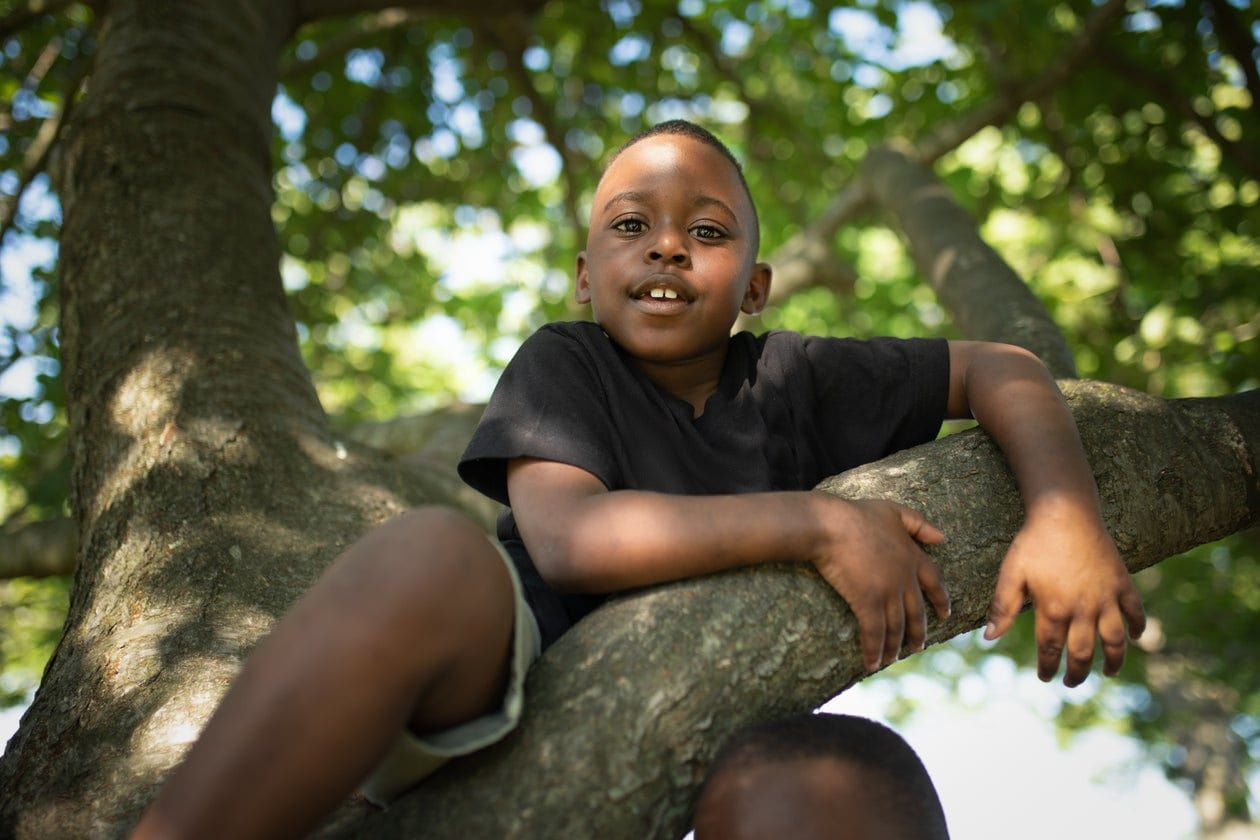
As we enter April, National Autism Acceptance Month, it is disheartening that Black and Brown children remain underdiagnosed globally, and here in the U.S., autism acceptance aims to promote inclusivity and provide necessary support for neurodivergent individuals. However, without proper awareness and diagnosis, many children of color are hindered from receiving these vital benefits.
Why are Black and Brown children diagnosed less frequently than their white peers?
A significant factor is the lack of awareness among adults, such as parents, teachers, and babysitters, about these neurodivergent conditions and their diagnostic criteria. In addition, stigma and reluctance to “put a label” on their child might deter parents from seeking a diagnosis.
Parents who suspect neurodivergence in their child may also be discouraged by the high, out-of-pocket cost for neuropsychological testing and evaluations. However, many healthcare systems and providers accept insurance, reducing patients’ co-pays.
In underserved communities, medical providers often lack adequate training to recognize the plethora of ways neurodivergence presents. Additionally, cultural misunderstandings and implicit biases further complicate diagnosis. Black and Brown children are often stereotyped as “rude,” “disruptive,” or “lazy.” This results in their actual symptoms, such as communication differences, hyperactivity, executive dysfunction, emotional dysregulation, and sensory sensitivities, being overlooked.
Instead of receiving support, these children are reprimanded, ostracized, and ridiculed, which affects their mental health. This leads to masking their neurodivergent traits, low self-esteem, sensitivity to perceived criticism, social withdrawal, and possibly an impaired ability to thrive.
Rather than punishment, neurodivergent children benefit from targeted interventions: behavioral therapy, speech therapy, academic accommodations, opportunities to self-regulate, access to medication, dietitians, and mental health counseling to address social challenges and stress.
Even after diagnosis, families face financial barriers to accessing support, but numerous organizations provide free academic and healthcare resources for neurodivergent children. Healthcare providers should be aware of these avenues to guide families effectively.
Neurodivergent conditions like autism and ADHD often have genetic components; therefore, parents may normalize or overlook their children’s symptoms due to their own presentations and unawareness of the correlation between their symptoms and these conditions. For example, the Autism Research Institute held a webinar in 2025 with speaker Dr. Amber Davis, who shared a video of NBA Star Tony Snell revealing that after his son was diagnosed with autism, he began to recognize similar symptoms in himself and sought a diagnosis later in life.
Constant judgment, criticism, and ostracism can lead many neurodivergent individuals, especially women and people of color, to mask their traits to fit in. This masking, intensified by intersecting stigmas, prevents recognition and treatment, contributing to anxiety, burnout, depression, and identity struggles.
Comorbidity of multiple neurodivergent conditions can hinder individuals from receiving recognition and a diagnosis, as contrasting symptoms can make the diagnostic process obscure. While individuals with ADHD often seek novelty and impulsivity, those with autism often prefer rigidity and consistent routines.
Furthermore, ADHD causes forgetfulness, procrastination, and inattentive behavior, whereas autism is associated with attention to detail, organization, and punctuality. These contradicting characteristics are also prevalent in social situations: people with ADHD often crave social interaction and can present as impulsive or hyperactive, while autistic people frequently resort to social withdrawal and reduced engagement in conversation. When combined in a single individual, these contrasting symptoms can often mask each other, making them appear less severe and go unnoticed.
A common misconception that many individuals believe is that the autism spectrum measures its quantity or intensity among individuals who have it. However, the autism spectrum refers to a wide variety of traits and support needs, and the different ways they manifest.
Higher IQs, lower support needs, and the ability to mask well can lead to autistic individuals being overlooked, especially when labeled as “gifted.” They’re often perceived as “too intelligent” or “too normal” to be autistic and are therefore unable to receive support. On the other hand, lower IQs, higher support needs, intellectual disabilities, and the inability to mask can cause autistic individuals to face stigma and social isolation.
In 2023, CNN reported that only 5.7 percent of doctors identified as Black or African American, a figure echoed by the Association of American Medical Colleges (AAMC), which reported that Black pediatricians make up 5.9 percent of those in practice, based on 2022 data. This representation is disproportionate to the 14.4 percent Black population and raises concerns about bias among non-black medical providers.
Awareness of this disparity should encourage Black doctors, who better understand the cultural nuances, to equip themselves with a comprehensive knowledge about how neurodivergence presents and the pathways for diagnosis and treatment. Providers must also evaluate autism organizations, as some promote stigmatizing and fear-based narratives despite appearing supportive, which can be harmful for the neurodivergent population. Becoming knowledgeable will help reduce implicit bias and improve health outcomes in the black and brown communities.
By subscribing, you consent to receive emails from BlackDoctor.pro You may unsubscribe at any time. Privacy Policy & Terms of Service.
Are you a healthcare professional? Register with us today!