
As families prepare for the new school year, back-to-school checklists often include shopping for school supplies, organizing schedules, and scheduling annual wellness visits. For many parents, those appointments also bring questions about childhood vaccinations.
Recent changes to the federal childhood vaccine recommendations have left some families wondering which immunization schedule to follow, whether their child needs additional vaccines, and how to separate reliable information from misinformation.
Louis Lerebours, MD, a family medicine physician at Freeman Recovery Center, said those questions are becoming increasingly common during back-to-school visits.
As the new school year begins, parents are asking more questions about childhood vaccinations, Dr. Lerebours told BlackDoctor Pro. “Does my child need any vaccinations this school year? Can multiple vaccinations safely be administered in one visit? What are the possible side effects from vaccinations? And, as many parents are concerned with missed vaccination appointments, what should they do next?”
To help answer those questions, pediatricians, family medicine physicians, and primary care experts explain how they’re navigating conflicting childhood vaccine guidance, the questions they’re hearing from families, and what parents should know before the first day of school.
With recent changes to federal vaccine recommendations, organizations such as the American Academy of Pediatrics (AAP) continue to recommend evidence-based childhood immunization schedules. As a result, clinicians say more families are arriving at appointments seeking clarity — not only about which vaccine their children need, but also about conflicting information they’ve encountered online, on social media, and in the news.
One of the biggest misconceptions Alana J. Arnold, MD, MBA, a board-certified pediatric emergency medicine physician, said she’s hearing is that delaying or spacing out routine vaccines is safer for children. “The AAP-recommended schedule is intentionally timed to provide protection during the developmental periods when infants and children are most vulnerable to serious infections,” she says. “Delaying vaccines extends the period during which a child remains unnecessarily unprotected; it does not provide a proven safety benefit. This only places more kids, families and communities at higher risk of potentially serious infections that are largely preventable.”
Nicole Hight, MD, a board-certified pediatrician at Zarminali Pediatrics, says she continues to follow the AAP’s Recommended Childhood and Adolescent Immunization Schedule. During back-to-school visits, she reviews each child’s immunization records to identify any missing vaccines and determine whether a catch-up plan is needed before school starts.
“The AAP schedule continues to be our guide to protect children against serious vaccine-preventable diseases such as measles, whooping cough, and meningococcal disease,” she said. “I pull up each child’s individual record rather than relying on a general sense of ‘probably fine,’ because catch-up needs are easy to miss between well visits, especially after a move or when changing schools.”
Reviewing a child’s vaccination record is only one part of the process, providers said. Appointments also provide an opportunity to identify missed immunizations, develop catch-up plans when needed, and answer questions that may contribute to vaccine hesitancy.
Adam Makkawi, DO, a primary care expert at Columbia University Irving Medical Center, believes primary care providers play a critical role in helping children stay up to date on recommended vaccines before the school year begins. During well-child visits, providers review immunization records, identify missing vaccines, develop catch-up plans when needed, and answer families’ questions about vaccine safety and effectiveness.
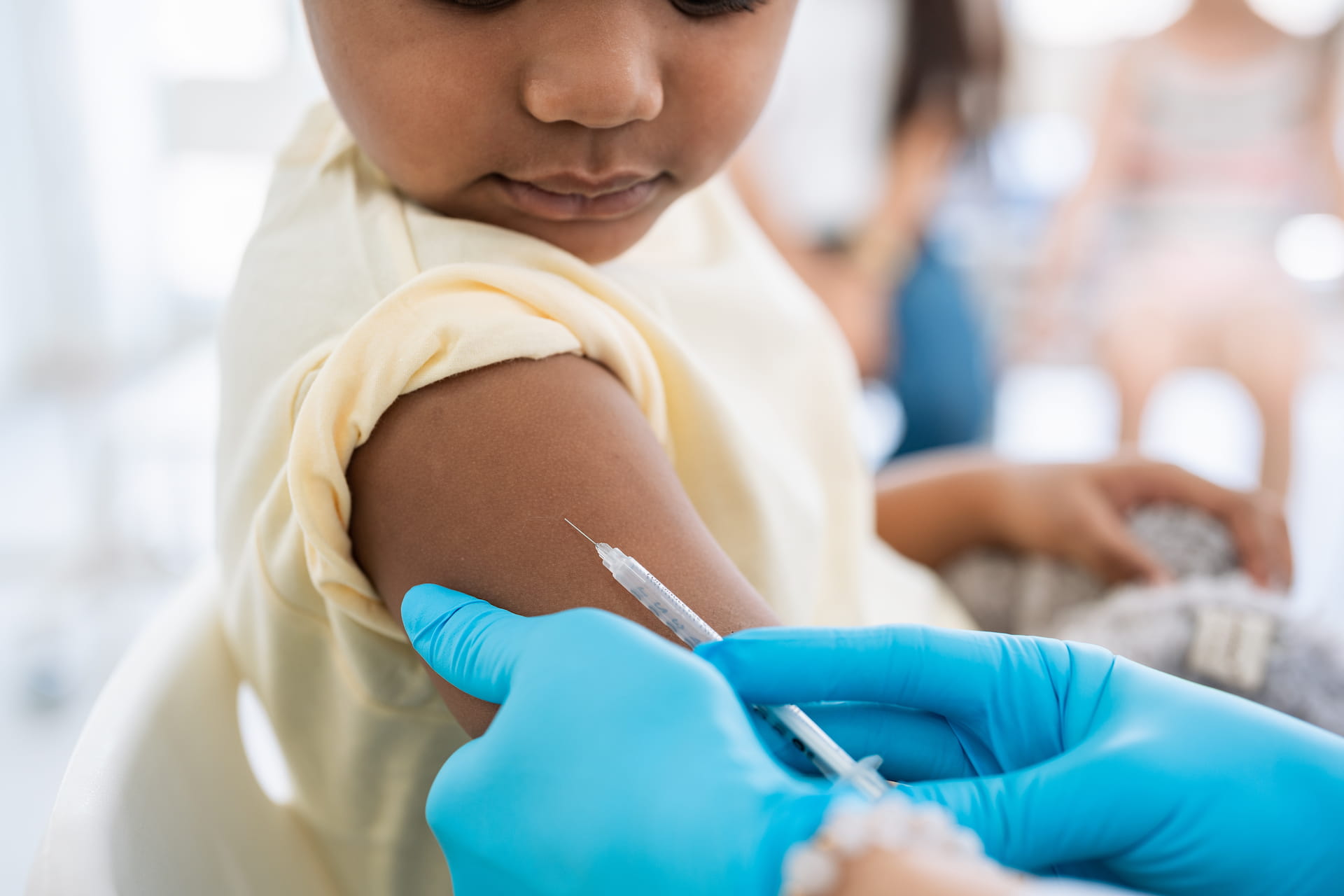
Clinicians said vaccine conversations often begin by listening to parents’ concerns rather than making assumptions. Whether families have questions about side effects, vaccine schedules, or information they’ve seen online, providers say creating space for open, judgment-free conversations is essential to building trust.
The concerns parents raise most often center around side effects, the number of vaccines given during one visit, vaccine ingredients, and long-term developmental effects, including autism, Dr. Arnold said.
“I begin by listening without judgment and clarifying the specific concern rather than assuming a parent is opposed to vaccination,” she said. “I explain that mild, short-lived reactions are expected with some vaccines, while serious adverse reactions are very rare. Large, well-designed studies have found no association between MMR vaccination and autism, including among children with an older sibling with autism. I then compare the small vaccine-related risk with the substantially greater risk posed by the diseases themselves.”
At the same time, providers recognize that vaccine hesitancy is only one challenge families may face. Beyond hesitancy, practical barriers can also make it difficult for children to stay up to date on recommended immunizations.
According to Dr. Makkawi, families may encounter obstacles such as:
To help address those barriers, he says healthcare providers can offer flexible scheduling, send appointment reminders, review vaccine records before visits, provide clear, evidence-based information, connect families with community resources, and use every patient encounter as an opportunity to assess immunization status and recommend any needed vaccines.
As providers prepare for another busy back-to-school season. Dr. Arnold adds that primary care pediatricians play a critical role in establishing ongoing conversations about vaccines and providing families with medically sound, evidence-based information.
She encourages parents who do not have an established pediatrician to seek care through their local or state health departments, a federally qualified health center (FQHC), a school-based health clinic, or a provider participating in the Vaccines for Children (VFC) Program, which offers recommended vaccines at no cost to eligible children.
When families have questions about vaccine information they’ve seen online, she recommends turning to trusted sources such as the American Academy of Pediatrics, HealthyChildren.org, KidsHealth.org, and state or local public health agencies.
When it comes to evaluating health information, Dr. Arnold encourages parents to think critically about content shared on social media. “Start by examining who created the information, their relevant credentials, when it was published, and whether the claims are supported by independent peer-reviewed evidence rather than personal anecdotes,” she said. “Be cautious of content that uses fear, absolutes, conspiracy language or a single dramatic story to overturn decades of research.”
As families prepare for the school year, providers encourage parents to schedule well-child visits and vaccine appointments as early as possible to avoid last-minute delays and ensure children are up to date on recommended immunizations.
”Vaccines protect in two directions at once: they protect your individual child from serious illness, and they protect the kids around them, including classmates who are too young to be fully vaccinated or those with immune conditions who can’t receive certain vaccines themselves,” Dr. Hight said. “Staying on schedule isn’t just paperwork for the first day of school; it’s one of the most effective tools we have to keep an entire classroom, and an entire community, healthier throughout the year.”
By subscribing, you consent to receive emails from BlackDoctor.pro You may unsubscribe at any time. Privacy Policy & Terms of Service.
Are you a healthcare professional? Register with us today!