
July is Bebe Moore Campbell National Minority Mental Health Awareness Month, a time to raise awareness of the unique mental health challenges and systemic barriers faced by communities of color. The observance also aims to reduce stigma and encourage conversations about mental health.
While mental health affects everyone, marginalized communities often face significant barriers to care, including cultural stigma, language differences, provider shortages, and limited insurance coverage. Increasing access to culturally responsive care — and fostering open, honest conversations with patients of color — can reduce health disparities and improve health outcomes.
“Mental health is health — you can’t separate physical health from mental health,” said Nicole Christian-Brathwaite, MD, a licensed psychiatrist and BlackDoctor Medical Advisory Board member.
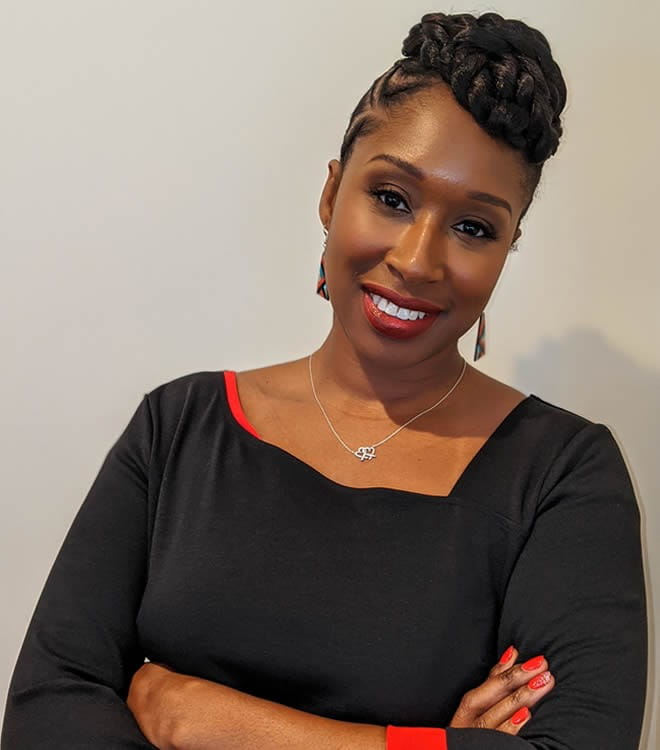
Every clinician plays a role in supporting patients’ mental health, regardless of specialty. “If we are ignoring mental health concerns, and, for example, focusing on diabetes or heart disease, we’re not actually treating the illness in a comprehensive way, because we’re not addressing the psychiatric or mental health side of things,” Dr. Christian-Brathwaite said.
For example, depression and anxiety can affect medication adherence, self-management, motivation, and even outcomes for chronic diseases.
Additionally, chronic stress can contribute to inflammation and disease progression. Dr. Christian-Brathwaite points to the Adverse Childhood Experiences (ACE) studies, which found that exposure to significant trauma before age 18 is associated with a higher risk of developing chronic diseases in later life.
“It’s not even just the immediate stress — it’s the long-term stress and trauma that can exacerbate anything from alcoholism, substance use, cancer, diabetes, and heart disease,” she said. “Just about any chronic disease you can think of can be directly connected to unaddressed or untreated trauma or stress.”
One of the biggest misconceptions about health disparities is that race itself puts patients at a higher risk for chronic disease — but that’s not exactly the case. In reality, it’s the cumulative effects of racism — not Blackness — that contribute to poorer health outcomes.
“Being Black is not the risk factor,” Dr. Christian-Brathwaite said. “Racism is the risk factor for greater disease. It’s not our Blackness — it’s how other people perceive our Blackness that leads to poor outcomes.”
Studies have increasingly recognized racism as a chronic stressor that affects both mental and physical health. Like other forms of chronic trauma, repeated exposure to discrimination activates the body’s stress response, contributing to chronic inflammation and increasing the risk of hypertension, diabetes, obesity, cardiovascular disease, and depression. These effects accumulate over time, particularly when discrimination begins early in life or persists across healthcare, education, employment, and community settings.
Racism also shapes the care patients receive once they enter the healthcare system. According to Dr. Christian-Brathwaite, Black and Latino patients are less likely to be appropriately screened for mental health conditions, and their symptoms are more likely to be minimized or dismissed. Delayed recognition of depression, anxiety, or trauma can allow both mental and physical illnesses to progress before treatment begins.
For providers, recognizing racism as a social and health risk factor means looking beyond traditional clinical indicators. Asking about chronic stress, adverse life experiences, and barriers to care — and acknowledging how systemic inequities influence health — can help clinicians better understand the full picture behind a patient’s symptoms and create more equitable, patient-centered care.
Mental health concerns don’t always present as sadness or anxiety. Dr. Christian-Brathwaite explained that Black patients may be more likely to describe physical (somatic) symptoms, such as headaches, back pain, fatigue, or nausea — rather than emotional distress.
“People of color tend to present with more physical symptoms,” she said. “It’s easier to talk about, ‘My head always hurts,’ than to say, ‘I’m scared’ or ‘I’m anxious.'”
Additionally, cultural stigma surrounding mental illness and longstanding mistrust of the healthcare system can make some patients of color hesitant to discuss their emotional well-being. For clinicians, this underscores the importance of looking beyond physical complaints. Incorporating routine mental health screening and asking open-ended questions about stress, mood, and daily functioning can help identify depression, anxiety, or trauma before they worsen alongside chronic disease.

Getting mental health support often starts in the exam room. Providers — regardless of their specialty — must take time during a patient’s assessment to check the patient’s emotional well-being. Dr. Christian-Brathwaite trains future doctors and students in delivering anti-racist, trauma-informed care.
She recommends several simple strategies that can help providers trust and create a more culturally responsive clinical environment:
Patients — especially those of color — are more likely to disclose their mental health concerns when they feel respected and heard.
Improving minority health isn’t just about expanding access to care — it’s also about recognizing how trauma, discrimination, chronic stress, and mental health influence every aspect of health. For providers, implementing mental health screening into routine care — and creating safe spaces for patients to feel heard — may be one of the most effective ways to reduce health disparities and improve long-term outcomes.
By subscribing, you consent to receive emails from BlackDoctor.pro You may unsubscribe at any time. Privacy Policy & Terms of Service.
Are you a healthcare professional? Register with us today!