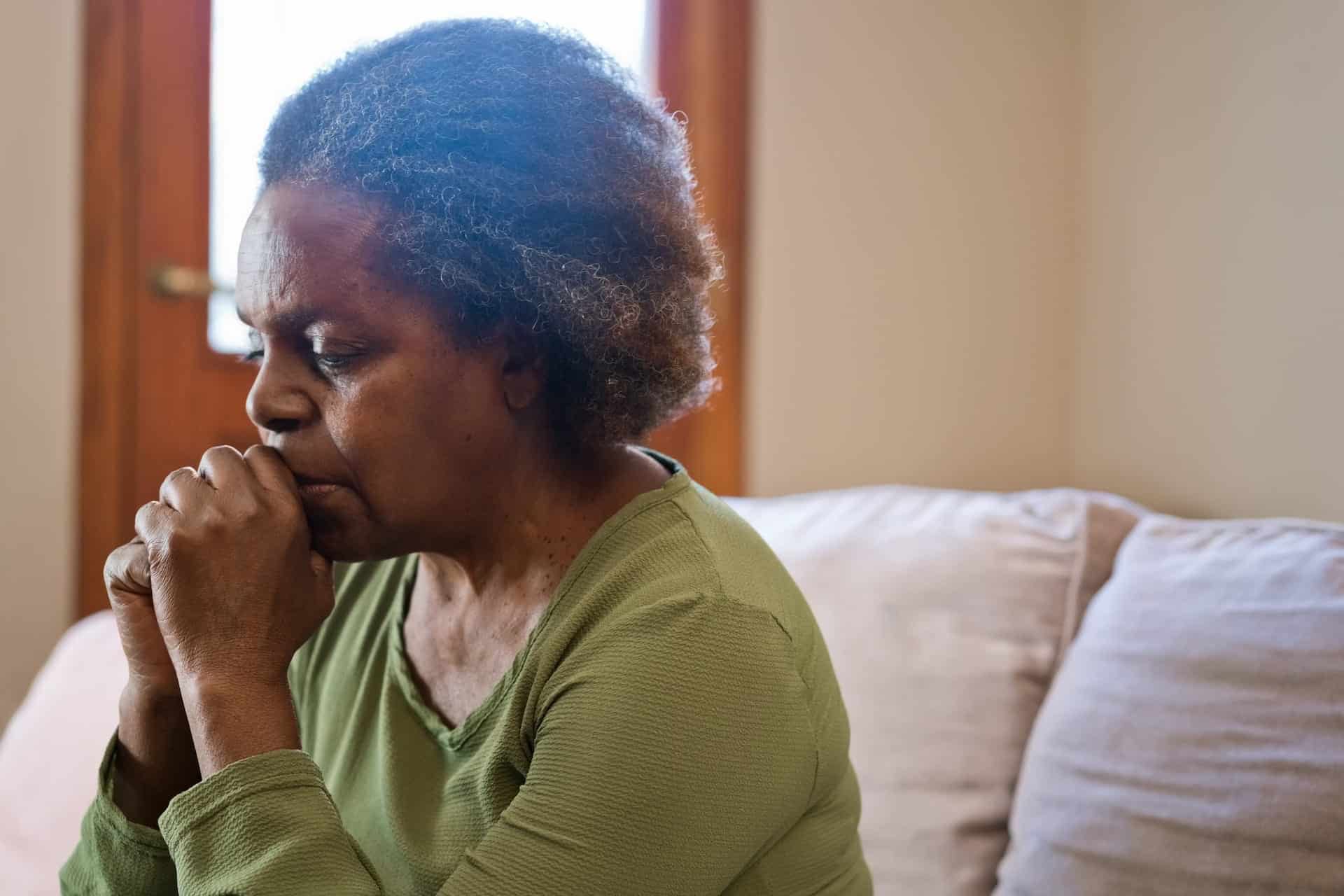
Every stroke case is different. Stroke type, causes, and extent of brain damage can determine the complications a patient may face. In medical terms, the stroke sequelae, meaning the long-term physical, cognitive, behavioral, and emotional effects, can also vary significantly.
Understandably, healthcare providers must focus on the immediate physical and cognitive complications of a stroke in the first few days, weeks, and months. After acute treatment, such as clot-dissolving medication or clot removal for ischemic stroke, care focuses on preventing other complications, such as bedsores or ulcers. But mobility, speech, and independence can change months and even years after a stroke. Cognitive impairment, incontinence, fatigue, depression, speech changes, and dietary needs can emerge over time. The extent to which a patient may exhibit complications even years after an initial stroke and rehabilitation is hard to predict at the outset.
Here’s how clinicians can recognize post-stroke sequelae and help demystify the treatment plan for patients and caregivers.
A 2026 University of Calgary study examined post-stroke motor learning to expand knowledge about effective therapy in the chronic stage of stroke recovery (6+ months post-stroke). “As many as 75 percent of stroke survivors will have impairments in moving their upper limb(s) that compromise daily activities like eating and grooming,” they acknowledged. Sensorimotor adaptation and recovery can depend greatly on the area of the brain most affected by the stroke, as well as the patient’s capacity for neural coupling.
Beyond motor function, fatigue, pain, and sleep problems can become chronic. Cognitive impairment can impact memory, problem-solving, and abstract or spatial thinking. Stroke can also cause communication difficulties, both in processing and motor skills, that may not emerge fully until a patient is integrated back into their home setting, following hospitalization and rehabilitation. While the brain can rewire itself after stroke-related tissue damage (neuroplasticity), it’s not always clear how much a person will recover of their pre-stroke capabilities. Grief and frustration also take an emotional toll as survivors come to terms with the lifelong adjustments they may endure.
According to the American Stroke Association, “Up to 60 percent of stroke survivors may have some type of cognitive impairment in the first year after a stroke.” But some post-stroke cognitive changes are more visible than others.
While stroke is often associated with weakness on one side of the body, frontal lobe injuries can impair executive function, speech, and judgment — all of which can affect mood and relationships. Parietal lobe damage can involve impaired spatial processing, as well as poor hand-eye coordination and pain perception. Occipital lobe complications usually involve vision loss and blind spots, while cerebellum damage is associated with imbalance, unsteady gait, and poor coordination.
Of course, a patient can present with some or all of these symptoms in the immediate stroke period. Still, routine follow-up may slowly reveal cognitive concerns that become persistent or chronic. Family members or caregivers are more likely to notice these changes and can serve as patient advocates by documenting incidents and symptoms that the patient may not be able to relay on their own.
No matter how much a person seems to have recovered from a stroke, they may have lifelong disabilities. Their need for close monitoring to prevent recurrence or other vascular events may also challenge their employment, independence, and living situation.
Clinicians must look beyond physical signs of wellness to support stroke survivors. This means proactively scheduling follow-up appointments, making referrals for psychosocial supports and rehabilitation, and using a community- or family-centered approach to recovery.
Having a stroke takes an emotional toll. But clinicians should be careful not to dismiss a patient’s poor emotional and mental health as an anticipated and acceptable long-term outcome. Anxiety and depression are some of the most common post-stroke complications, affecting one-third of all stroke patients. Post-stroke depression (PSD) and post-stroke anxiety (PSA) — which have their own set of diagnostic criteria — can slow a patient’s recovery. PSD and PSA affect a patient’s willingness to pursue rehabilitation, regularly take medication, and accept or develop positive caregiver relationships. PSD and PSA can also increase the risk of stroke recurrence and mortality.
Clinicians should be thoughtful about medication treatment for PSD and PSA, especially when traditional talk therapy might be impractical, given post-stroke impairments. Encouraging patients and caregivers to seek peer support groups is another way clinicians can positively impact patients’ emotional health.
Post-stroke fatigue is a potentially significant but often under-recognized barrier to recovery. Unlike normal tiredness, post-stroke fatigue can severely limit participation in rehabilitation and ability to return to work, and reduce engagement in daily activities and social participation, which could contribute to isolation.
It’s important to differentiate post-stroke fatigue from related but different conditions such as PSD, sleep disturbances, medication side effects, or underlying medical conditions like anemia or thyroid dysfunction. Asking patients about the onset and severity of their fatigue can help clinicians identify the underlying cause.
A clinical assessment doesn’t always reflect a patient’s lived experience. Motor function and mobility may be normal, but a patient may still face hidden struggles that affect day-to-day life. These can show up in cognitive demands, communication, returning to work, driving, and even caring for dependents.
Post-stroke recovery disparities are even greater for Black patients. A study published in Neurology found that Black patients post-stroke had greater disability than white patients.
To get a clearer picture of recovery, clinicians should ask targeted questions about patients’ ability to navigate real-world settings and listen for gaps or distress.
There are many assessments clinicians can use to evaluate patients post-stroke, including:
Each tells a different story, and together they help create a personalized recovery map for each patient. Clinicians should administer the same assessments consistently and comprehensively to all patients to prevent bias from affecting care. Further, extending assessments beyond motor and physical function helps identify less visible sequelae that can affect quality of life and long-term outcomes.
Clinicians should use well-researched assessment tools to screen for cognitive changes, such as memory, executive function, and language and communication, as well as PSD and PSA. Diagnostics should address often-overlooked areas such as sleep, fatigue, pain, and social support systems that influence recovery.
Equally critical is evaluating caregiver burden. A patient’s recovery depends not only on their physical health but also on caregiver support and whether they have dependents to look after.
If a patient is facing cognitive and emotional difficulties, an interdisciplinary referral network becomes essential. Referring a patient for a psychological consultation or a sleep specialist helps ensure holistic, long-term care.
Studies emphasize disparities between Black and white patients along the entire continuum of care for heart and brain health. This spans everything from a patient’s predisposition and stroke severity to post-stroke disability and recovery.
Limited access to rehabilitation, behavioral health services, and specialist care creates disparities in post-stroke follow-ups for patients in underserved populations.
Cognitive deficits clinicians miss during assessment can further contribute to these barriers. Patients with executive dysfunction or memory impairment may struggle to navigate complex healthcare and insurance payment systems, schedule appointments, or adhere to medications. Clinicians should identify these potential access barriers early, facilitate direct referrals, and consider simplified follow-up processes for vulnerable populations. Addressing these systemic gaps ensures equitable post-stroke care and can reduce preventable recurrent events.

Post-stroke care should be holistic. Assessing not just physical health but also cognitive, emotional, and functional health supports a comprehensive long-term recovery trajectory that reduces the risk of recurrent stroke.
For Black patients who are disproportionately affected by post-stroke complications, it’s important to recognize these hidden sequelae to bridge the care gaps and establish long-term trust between the patient and the provider. Together, caregivers, providers, and survivors can maximize quality of life and adjust to the new normal that a stroke can impose.
By subscribing, you consent to receive emails from BlackDoctor.pro You may unsubscribe at any time. Privacy Policy & Terms of Service.

Are you a healthcare professional? Register with us today!