
Black women face a persistent gap in breast cancer outcomes. According to the American Cancer Society, Black women have a breast cancer incidence rate 5 percent lower than white women, but a death rate 38 percent higher. The report attributes much of this disparity to later diagnoses and unequal access to high-quality treatment.
Closing the gap means more than getting patients to treatment. It means supporting them through it, including side effects like hair loss. Some chemotherapy drugs damage healthy cells involved in hair growth while targeting cancer cells.
Hair can hold deep personal and cultural meaning for Black women. It can be a form of self-expression, a connection to community, and part of what makes them feel like themselves. Losing it during breast cancer treatment can affect more than appearance, making conversations about comfort, confidence, and identity an important part of patient care.
For Robin Allison Davis, a breast cancer survivor and author of Surviving Paris: A Memoir of Healing in the City of Light, knowing she would lose her hair did not fully prepare her for the experience. After her first chemotherapy session, her scalp became painfully tender. When she ran her fingers over one area, her hair came away in a clump. “It was incredibly shocking; you’re told your hair will fall out, but not how,” Davis told BlackDoctorPro.
Her experience highlights why preparation should go beyond telling patients that hair loss is possible. Providers also need to make room for questions about physical discomfort, personal identity, and the resources that will help each patient feel supported.
Monique C. James, MD, an assistant attending psychiatrist at Memorial Sloan Kettering Cancer Center, explains that hair can communicate personality, belonging, and perceptions of health. Changes during cancer treatment may affect how patients see themselves and interact with others. Rather than assuming how someone will feel, James encourages providers to ask about their relationship with their hair before treatment begins. “Support starts with understanding,” she said. “Understanding starts with listening.”
Providers can begin by asking how a patient typically wears and cares for her hair, what it means to her, and what concerns she has about losing it. Dr. James also reminds providers to ask permission before touching a patient’s hair.
Reassurance should not come at the expense of acknowledging loss. Dr. James cautions against responses such as “Don’t worry, it will grow back soon,” which may minimize the patient’s experience and promise an outcome or timeline that does not reflect her circumstances. There may be years of effort behind the hair a patient has today, Dr. James explained. Providers should recognize that history and allow space for grief without pressuring patients to move quickly toward acceptance.
At the same time, distress is not universal. Davis says losing her hair did not diminish her confidence. She was already someone who loved her hair, but she adjusted quickly to wigs, helped by friends who wore them and offered advice. She also felt fortunate that, as a Black woman, wearing wigs isn’t taboo in her culture, unlike in some others. “Sometimes I felt like I was entering my ‘baddie’ era by starting to wear wigs,” she added.
Providing tailored care means understanding Black women’s hair textures and care routines. That understanding should also guide referrals: a list of wig vendors is only helpful if the options meet a patient’s needs.
Before treatment, Davis bought wigs recommended by friends rather than using the vendors suggested by her healthcare providers. Looking back, she wishes her care team had offered a more diverse selection. “The wigs that were covered under my health insurance were nowhere near the quality or texture of what would be appropriate for Black women,” she said.
Providers can ask whether recommended vendors offer the textures, styles, and price points patients want. They can also help patients explore insurance coverage and available financial assistance rather than assuming that a list of suppliers resolves the problem.
Comfort matters, too. Davis initially wore wigs, but she says feeling hot during treatment eventually led her to choose turbans. Sometimes, she removed the turban altogether to cool down.
Patients should have room to choose wigs, headwraps, an uncovered scalp, or a combination without feeling that any one option is expected. James suggests that beauty routines can help patients express themselves while still allowing space for grief. A familiar style may help one person feel grounded, while a new headwrap pattern or lipstick color may appeal to another.
Physical symptoms also deserve direct attention. Although Davis experienced considerable scalp pain before her hair fell out, she did not raise it with her care team. “I didn’t think they would care or offer comfort, as they told me what to expect,” she says.
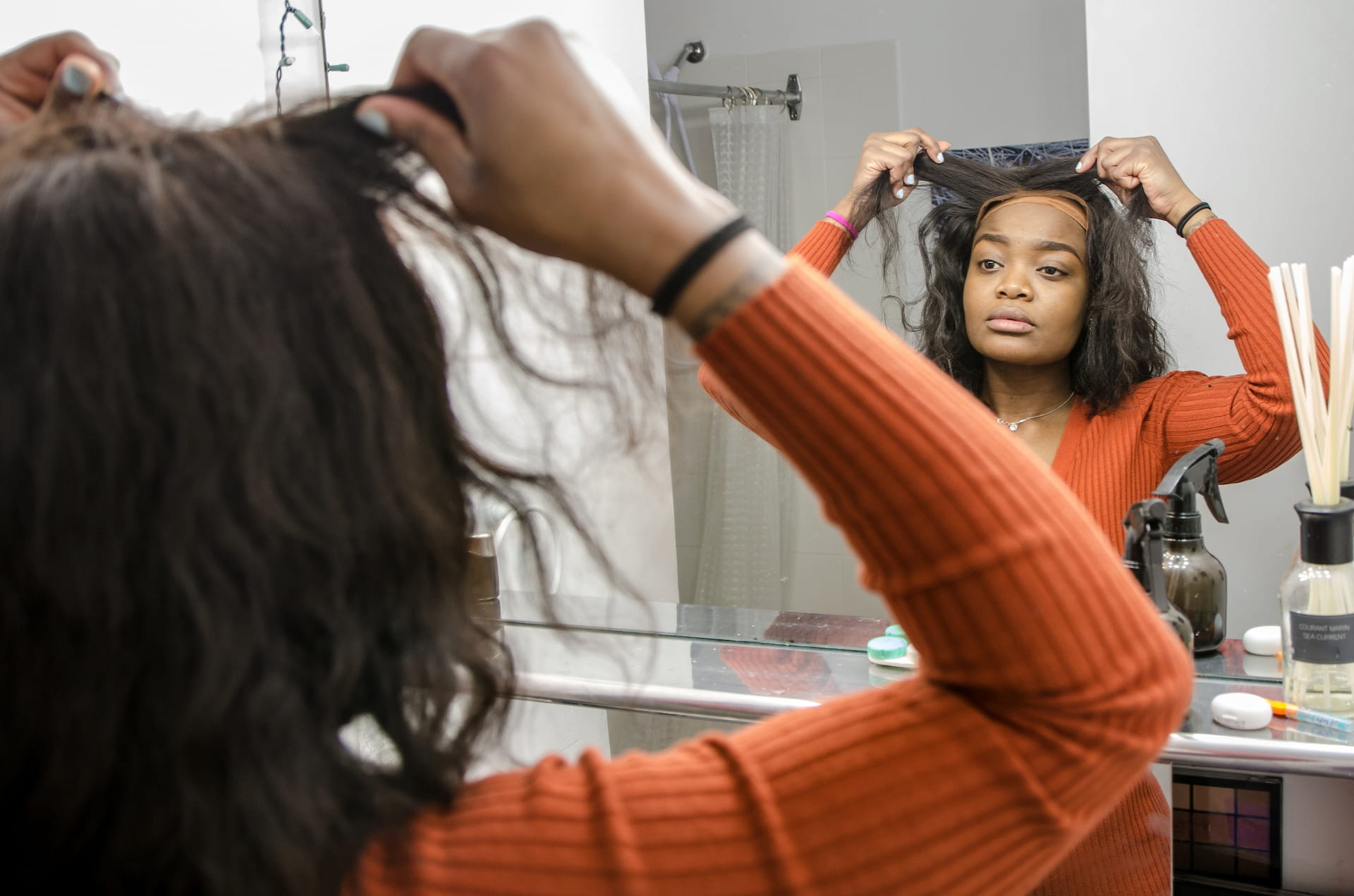
Regrowth brings its own adjustment. The National Cancer Institute reports that hair often begins growing back two to three months after chemotherapy ends, but timing varies. Davis’s hair started returning almost immediately, while she was still in treatment.
As it comes in, Dr. James said, hair can go through several phases with different textures, and many women have to cycle through products and styles before they feel comfortable in their skin. When a provider recognizes that, she said, “it can speak volumes to how they want to support women along the cancer continuum.”
Emotionally, Dr. James suggested setting aside “mirror time,” alone or with a trusted loved one, to take in the changes and learn about them. Acceptance, she says, starts with acknowledging that the changes were unexpected, unplanned, and often not the patient’s fault. Naming what feels hard can help, too. Providers should watch for when those thoughts turn self-derogatory, overly critical, or harsh. Dr. James said she often asks patients whether their thoughts are getting too heavy, getting stuck and spiraling, or getting in the way of daily tasks and contributing to low mood or anxiety.
Any of those can be a sign a patient needs more mental health support. Thoughts of self-harm are urgent, she says, and a mental health professional or oncology clinician should be contacted immediately. For patients struggling to recognize themselves, Dr. James emphasized validation. “It is so normal, understandable, and appropriate to struggle to feel like yourself in these times,” she said.
Ultimately, providers should know that supporting Black women through treatment-related hair loss means making these conversations part of care: asking what matters, offering resources that fit, and following up as needs change. As Davis puts it, “It’s important to maintain a sense of self and pride in your appearance when going through cancer treatment.”
By subscribing, you consent to receive emails from BlackDoctor.pro You may unsubscribe at any time. Privacy Policy & Terms of Service.
Are you a healthcare professional? Register with us today!