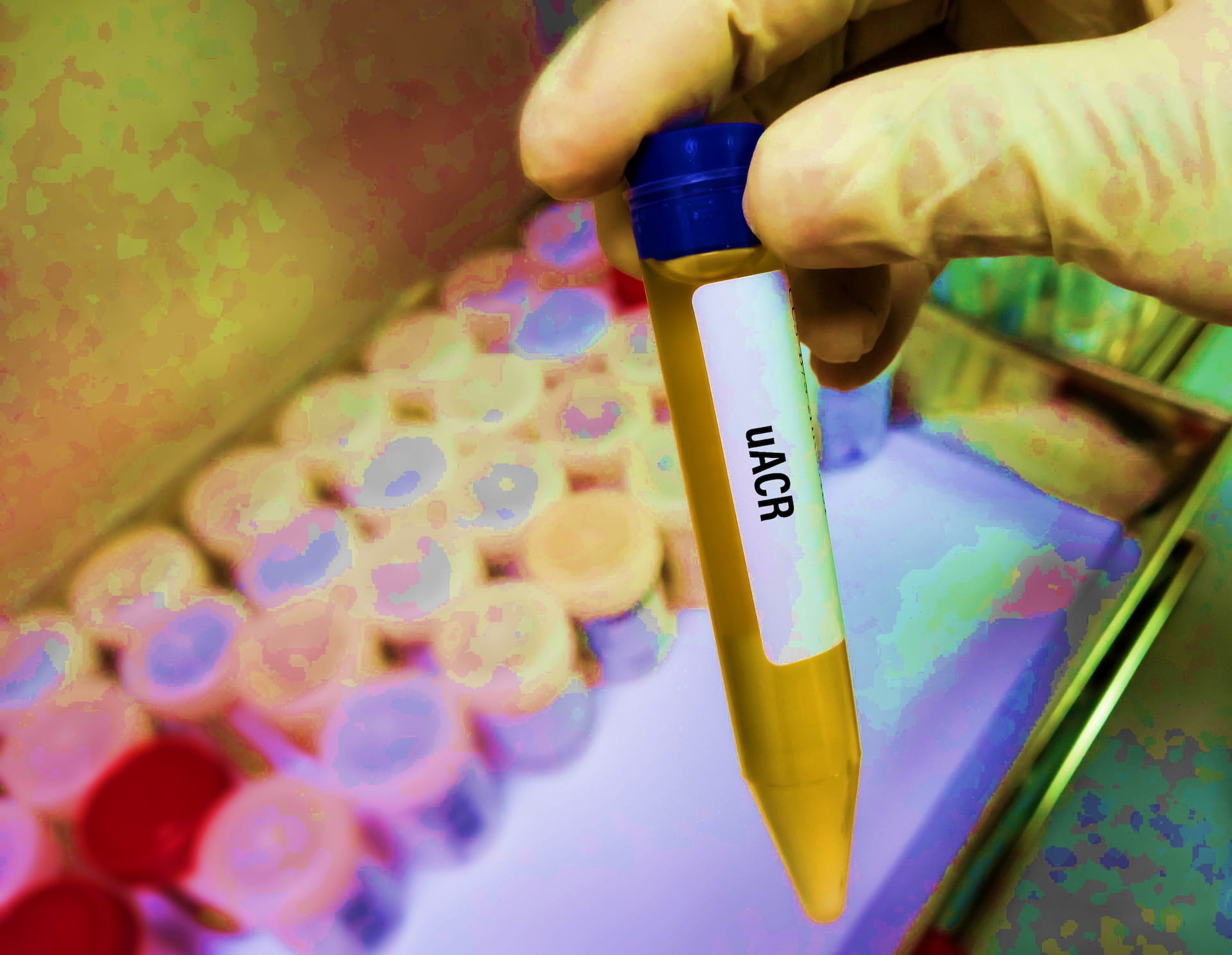
CBC tests may predict diverse diseases, enhancing precision medicine. Explore implications for early-stage disease detection in diverse populations.
A blood draw is a typical part of a person’s regular check-up.
But that blood sample might hold a lot more useful information about a person’s health than doctors are currently getting.
A new study shows that a routine part of a blood test called the complete blood count (CBC) could be used to help doctors identify or predict many different diseases, including heart problems, type 2 diabetes, osteoporosis and kidney disease, researchers reported Dec. 11 in the journal Nature.
“Complete blood counts are common tests, and our study suggests CBCs vary a lot from person to person even when completely healthy, and a more personalized and precision medicine approach could give more insight into a person’s health or disease,” said senior researcher Dr. John Higgins, a pathologist at Massachusetts General Hospital in Boston.
A CBC measures the numbers of red blood cells, white blood cells and platelets in a person’s blood, researchers explained in background notes.
Because these blood cells circulate throughout the body, the test could be used to provide timely information on a wide range of diseases.
Using blood drawn from more than 25,000 patients, researchers figured out that every individual has a “set point” for each part of their blood makeup as measured by a complete blood count.
By using these set points, doctors might be able to diagnose early-stage diseases in people who otherwise appear healthy, researchers said.
For example, lower hemoglobin concentration in blood is associated with an increased risk of heart attack, stroke and heart failure, researchers said. Hemoglobin is the component in red blood cells that carries oxygen to tissues throughout the body.
Other info that might be gleaned from a CBC:
Even a person’s overall death risk can be calculated using the test, researchers added.
Extremely high or low blood count set points in apparently healthy people were associated with an absolute 10-year risk of death that varied by more than 5 percent.
“Set points seem to identify large fractions [more than 20 percent] of healthy adults in our study population with more than 2 percent to 5 percent increase in absolute 10-year risk of all-cause mortality or diagnosis of major diseases, including cardiovascular disease and diabetes and other conditions for which early intervention can be effective,” researchers wrote.
These findings are consistent with earlier studies, they noted.
For example, lower hemoglobin has been associated with heart attack outcomes, red blood cell size with hip fractures and white blood counts with diabetes.
“Although further work is needed to understand the mechanisms generating these associations, this study shows that for multiple diseases, set points produce a 2- to 4-fold relative risk stratification, which is comparable to that provided by common disease screening factors including family history and some genetic mutations,” the researchers concluded.
While not the first to explore blood testing, Karl Landsteiner is credited with a groundbreaking discovery in 1901. He identified the ABO blood group system, revolutionizing blood transfusions and laying the foundation for modern blood testing. This discovery earned him the Nobel Prize in Physiology or Medicine in 1930. His subsequent identification of the MN and P blood group systems in 1927 and the Rh blood group system in 1940, along with his work on the poliovirus, further solidified his legacy as a pivotal figure in medical science.
More information
The Mayo Clinic has more about the complete blood count (CBC) test.
SOURCE: Mass General Brigham, news release, Dec. 11, 2024
By subscribing, you consent to receive emails from BlackDoctor.pro You may unsubscribe at any time. Privacy Policy & Terms of Service.
Are you a healthcare professional? Register with us today!