
A long-term NIH study following adults aged 65 and older over 20 years has linked a specific cognitive training regimen—cognitive speed training—to a significant reduction in dementia diagnoses.
While the research evaluated various methods, only “speed of processing” training was associated with a 25% lower rate of Alzheimer’s disease and related dementias. This specific intervention, part of the Advanced Cognitive Training for Independent and Vital Elderly (ACTIVE) study, challenged participants with rapid object detection tasks, requiring them to identify central and peripheral targets over increasingly shorter durations.
Unlike traditional memory or reasoning exercises, this adaptive speed training focuses on automatic, unconscious thought rather than deliberate thought. Researchers’ adjusted analysis also includes covariates (all measured at baseline): memory factor score, reasoning factor score, speed factor scores, age, race, sex, self-reported health, years of education, heart attack, atrial fibrillation, congestive heart failure, diabetes, hypertension, marital status, smoking status, and more.
Healthcare providers, especially those who serve Black patients, can consider how these findings offer practical, affordable tools to help older adults maintain their cognitive health, dignity, and independence as they age. These findings can help providers reconsider a broader array of options to close the gap in dementia outcomes.
The speed training task used in the study first asked participants to identify which of two objects appeared in the center of a computer screen. As participants improved, the stimulus presentation became shorter, forcing the brain to process information faster. Next, the training required participants to identify the central target while concurrently detecting a peripheral target that appeared for increasingly short durations. Last, the position of the peripheral target changed on the computer screen, making each subsequent phase increasingly difficult. This approach to cognitive health is unique because it forces the brain to adapt in real-time. By sharpening these visual processing skills, the training helps protect against the functional decline associated with dementia.
This research is particularly relevant to Black patients, who are disproportionately affected by Alzheimer’s and often face systemic barriers to early intervention. Because this cognitive training is moderate, home-based, and cost-effective, it acts as a critical health equity tool for under-resourced communities. Whether as an alternative or a complement to pharmaceutical interventions, these exercises offer a new approach to staving off dementia.
By integrating cognitive training into a routine wellness plan, healthcare providers can empower older adults to proactively protect their long-term brain health. This approach moves the field toward effective, non-pharmacological interventions that prevent the onset of cognitive decline.
Researchers suspect that speed training may be effective when combined with other lifestyle interventions associated with a lower risk of cognitive decline, such as increased physical activity and improved diet. Clinical observation suggests that the adaptive nature of the training is what distinguishes it from traditional brain games. Healthcare providers should encourage patients to engage in these exercises to sharpen visual processing speed, a key indicator of daily functional ability. Integrating these habits early on may synergize to create a robust defense against neurodegeneration.
It is important for healthcare providers to understand why memory and reasoning training did not yield the same long-term dementia delays as speed training. Memory training focuses on conscious strategies for remembering word lists or sequences, while reasoning training focuses on pattern recognition in letters and series. While these are valuable for daily tasks, they do not appear to impact the underlying claims-based diagnosis of dementia over 20 years. On the contrary, speed-of-processing training engages the brain’s automatic systems, which may be more resilient to the physical plaques and tangles associated with Alzheimer’s. While research in this area is ongoing, this distinction between the effects of conscious and unconscious exercises is vital for providers to communicate clearly, so that patients spend their time on the most effective interventions.
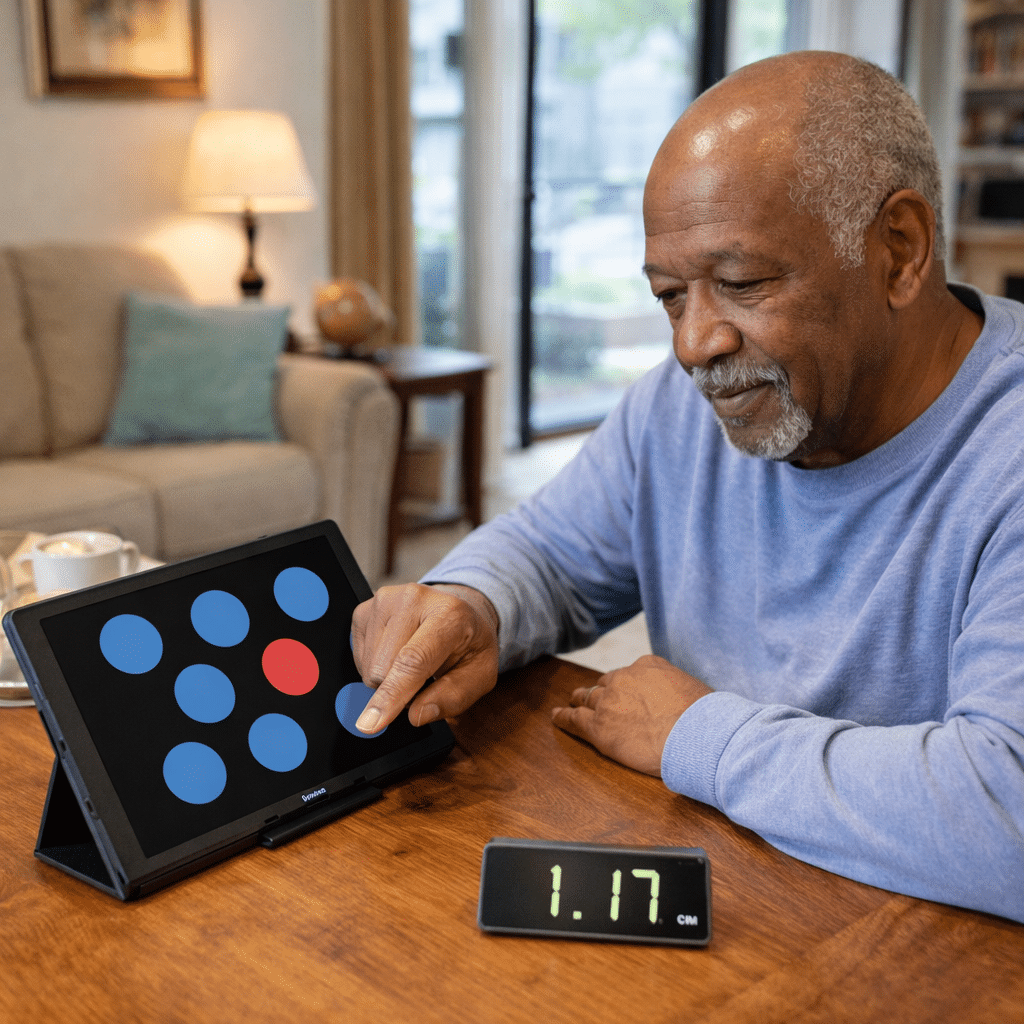
Ultimately, the goal for healthcare providers is to shift from reactive treatment to proactive cognitive maintenance. The ACTIVE study data offers unique insights to do just that. Spanning two decades of Medicare claims data, this research provides strong evidence that short-term speed training sessions can have long-lasting benefits. Encouraging Black older adults to participate in this training for just 60 to 75 minutes twice a week over several weeks may delay dementia diagnoses for years. Providers who routinely recommend and support these interventions can make a meaningful difference in their patients’ aging experience. Helping them maintain independence and quality of life may be as simple as embedding routines that can be easily incorporated into daily family life.
By subscribing, you consent to receive emails from BlackDoctor.pro You may unsubscribe at any time. Privacy Policy & Terms of Service.
Are you a healthcare professional? Register with us today!