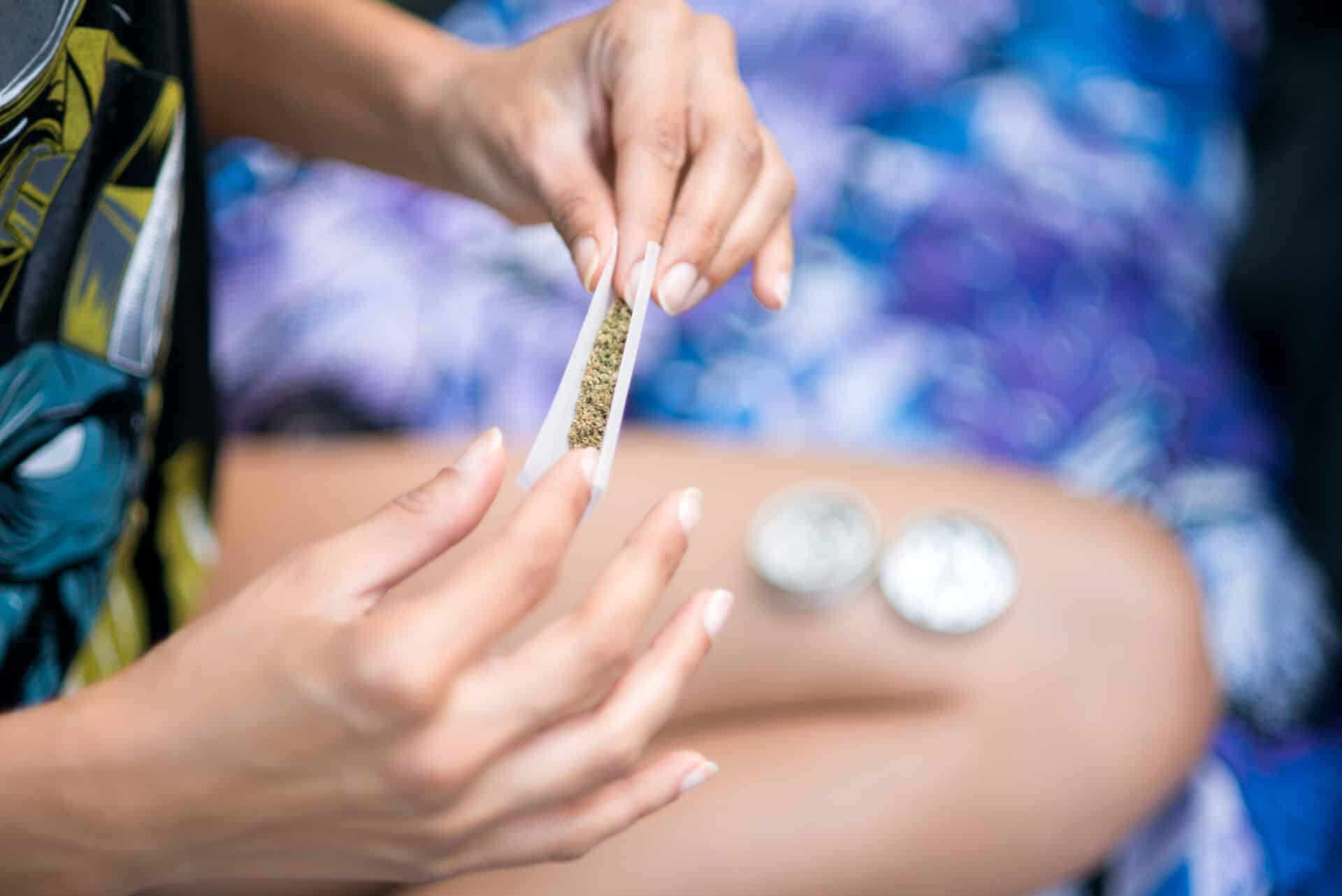
Cannabis use significantly increases adolescent psychotic disorder risk, with implications for Black teens amid rising usage rates. Read more.
There is a strong association between cannabis use and risk for psychotic disorder in adolescents, according to a study published online May 22 in Psychological Medicine.
André J. McDonald, Ph.D., M.P.H., from the Dalla Lana School of Public Health at the University of Toronto, and colleagues linked population-based survey data (2009 to 2012) to health services records up to 2018 to investigate associations between youth cannabis use and psychotic disorders. The analysis included 11,363 respondents (aged 12 to 24 years at baseline) with no prior psychotic disorder.
The researchers found that compared with no cannabis use, cannabis use was significantly associated with psychotic disorders during adolescence (adjusted hazard ratio [aHR], 11.2; 95 percent confidence interval [CI], 4.6 to 27.3). However, no such association was seen during young adulthood (aHR, 1.3; 95 percent CI, 0.6 to 2.6). The association strengthened during adolescence when restricting the outcome to hospitalizations and emergency department visits only (aHR, 26.7; 95 percent CI, 7.7 to 92.8). However, this restriction did not meaningfully change any association during young adulthood (aHR, 1.8; 95 percent CI, 0.6 to 5.4).
“This study provides new evidence of a strong but age-dependent association between cannabis use and risk of psychotic disorder, consistent with the neurodevelopmental theory that adolescence is a vulnerable time to use cannabis,” the authors write. “The strength of association during adolescence was notably greater than in previous studies, possibly reflecting the recent rise in cannabis potency.”
Psychotic disorders are a group of severe mental illnesses characterized by a detachment from reality. People with these disorders experience symptoms like hallucinations and delusions. Schizophrenia is the most well-known psychotic disorder, but others include schizoaffective disorder and brief psychotic disorder.
The exact causes of psychotic disorders remain under investigation, but research suggests a complex interplay of genetic and environmental factors. While cannabis use isn’t a direct cause, it can play a significant role in the development or worsening of psychosis, particularly in adolescents and young adults.
Studies have shown that cannabis use, especially heavy use of high-THC strains, can increase the risk of developing psychosis in individuals who are already predisposed due to genetic or other factors. This risk seems to be more pronounced in adolescents and young adults, whose brains are still developing.
Cannabis use can also trigger psychotic episodes in individuals with a vulnerability to psychosis, even if they haven’t been diagnosed yet. These episodes may be temporary but can be very distressing.
People with existing psychosis may use cannabis to self-medicate symptoms like anxiety or negative emotions. However, this use can actually worsen psychotic symptoms in the long run. Early diagnosis and treatment can significantly improve outcomes.
The exact mechanism by which cannabis affects psychosis is still being explored. However, one theory suggests that THC disrupts the endocannabinoid system, a network of receptors in the brain that plays a role in regulating mood, cognition, and perception. This disruption may contribute to the development of psychotic symptoms.
The relationship between cannabis and psychosis is complex and not fully understood. It’s important to note that not everyone who uses cannabis will develop psychosis.
Black teens in the US have shown a recent increase in cannabis use compared to previous decades. While rates are still lower than white teens, research suggests this rise may be due to several factors, including increased access and stronger cannabis strains.
The age of first cannabis use appears to be a critical factor. Brains continue to develop well into young adulthood, particularly the prefrontal cortex, which is involved in decision-making, impulse control, and reality testing.
For Black teens, who already face higher rates of social determinants of mental health issues like poverty and violence, this potential risk is significant. More research is needed, but it highlights the importance of open conversations about cannabis use and mental health within Black communities.
By subscribing, you consent to receive emails from BlackDoctor.pro You may unsubscribe at any time. Privacy Policy & Terms of Service.
Are you a healthcare professional? Register with us today!