Mpox prevalence in emergency departments is 1.5%. Educate at-risk GBMSM, address healthcare disparities in Black communities. Read more.
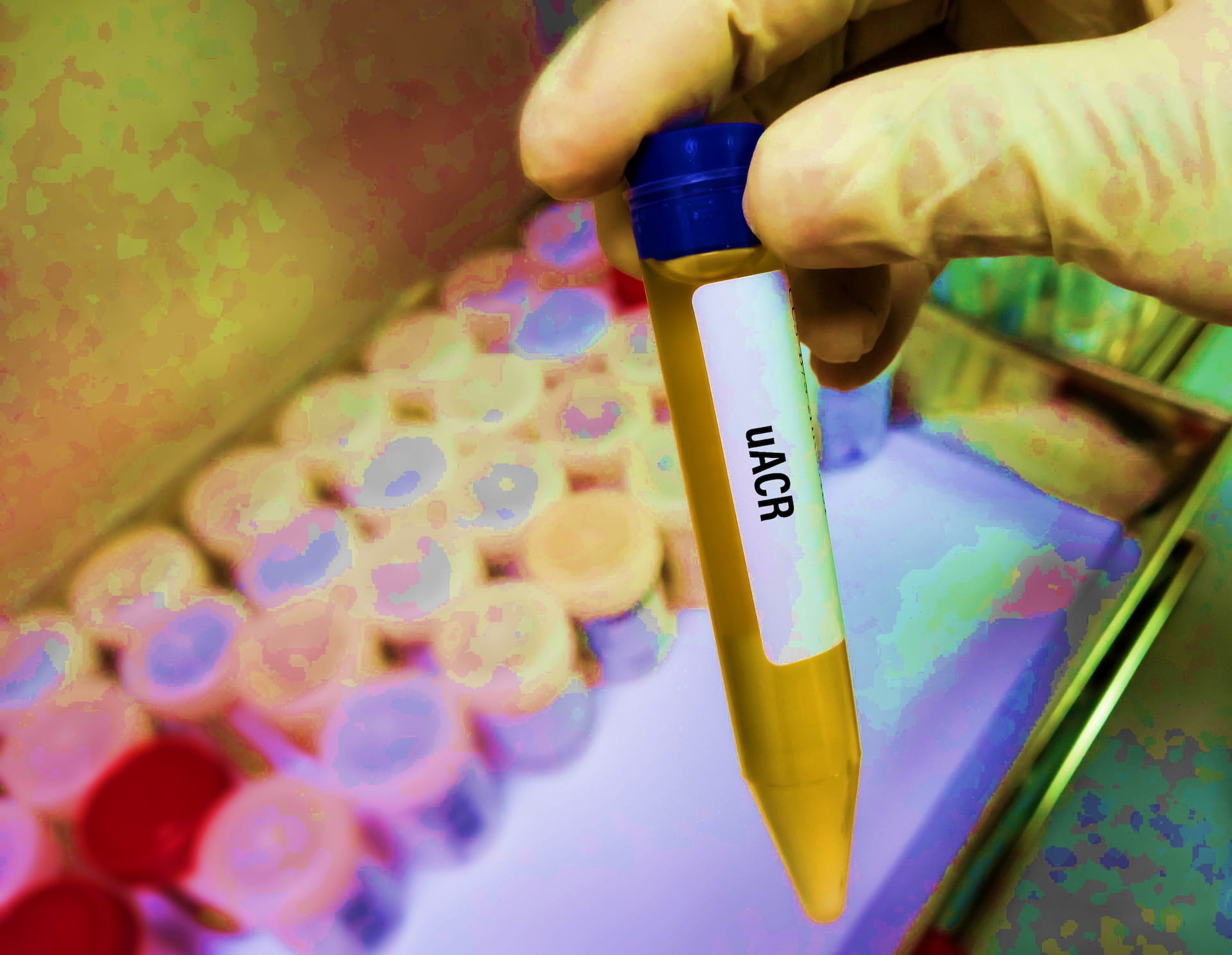
(HealthDay News) — Among emergency department patients evaluated for an mpox-compatible rash, the prevalence of mpox is 1.5 percent, according to research published in the June 6 issue of the U.S. Centers for Disease Control and Prevention Morbidity and Mortality Weekly Report.
Carl T. Berdahl, M.D., from Cedars-Sinai Medical Center in Los Angeles, and colleagues screened for mpox reemergence and examined potentially unsuspected cases among non-gay and bisexual men who have sex with men (GBMSM) by conducting surveillance of patients aged 3 months and older with an mpox-compatible rash at 13 U.S. emergency departments during June to December 2023. Using polymerase chain reaction, lesions were tested for mpox virus. A total of 196 persons were enrolled; 55.1 percent were males and 6.6 percent were GBMSM.
The researchers found that 46.4 and 23.5 percent of enrolled persons were non-Hispanic White and non-Hispanic Black or African American, respectively; 38.8 percent reported Hispanic or Latino ethnicity. Overall, 10.7 percent of enrollees reported unstable housing, while 12.2 percent lacked health insurance. Among emergency department patients evaluated for an mpox-compatible rash, the prevalence of mpox was 1.5 percent; all those with a confirmed mpox diagnosis identified as GBMSM, reported being HIV-negative, not being vaccinated against mpox, and having engaged in sex with at least one partner met through smartphone dating applications. There were no cases seen among women, children, or unhoused persons.
Mpox is a viral infection caused by the monkeypox virus, a member of the smallpox virus family. While less severe than smallpox, mpox can cause a painful rash, flu-like symptoms, and can be serious for some individuals.
Mpox primarily spreads through close contact with an infected person. This can include:
It’s important to note that mpox is not spread through casual contact, such as walking past someone in public.
While mpox can affect anyone, certain communities may face a higher risk of exposure or complications. The Black community in the United States has historically faced health disparities due to social determinants of health like access to healthcare and quality housing. These factors can also influence the impact of mpox.
Here’s how these factors might influence mpox in the Black community:
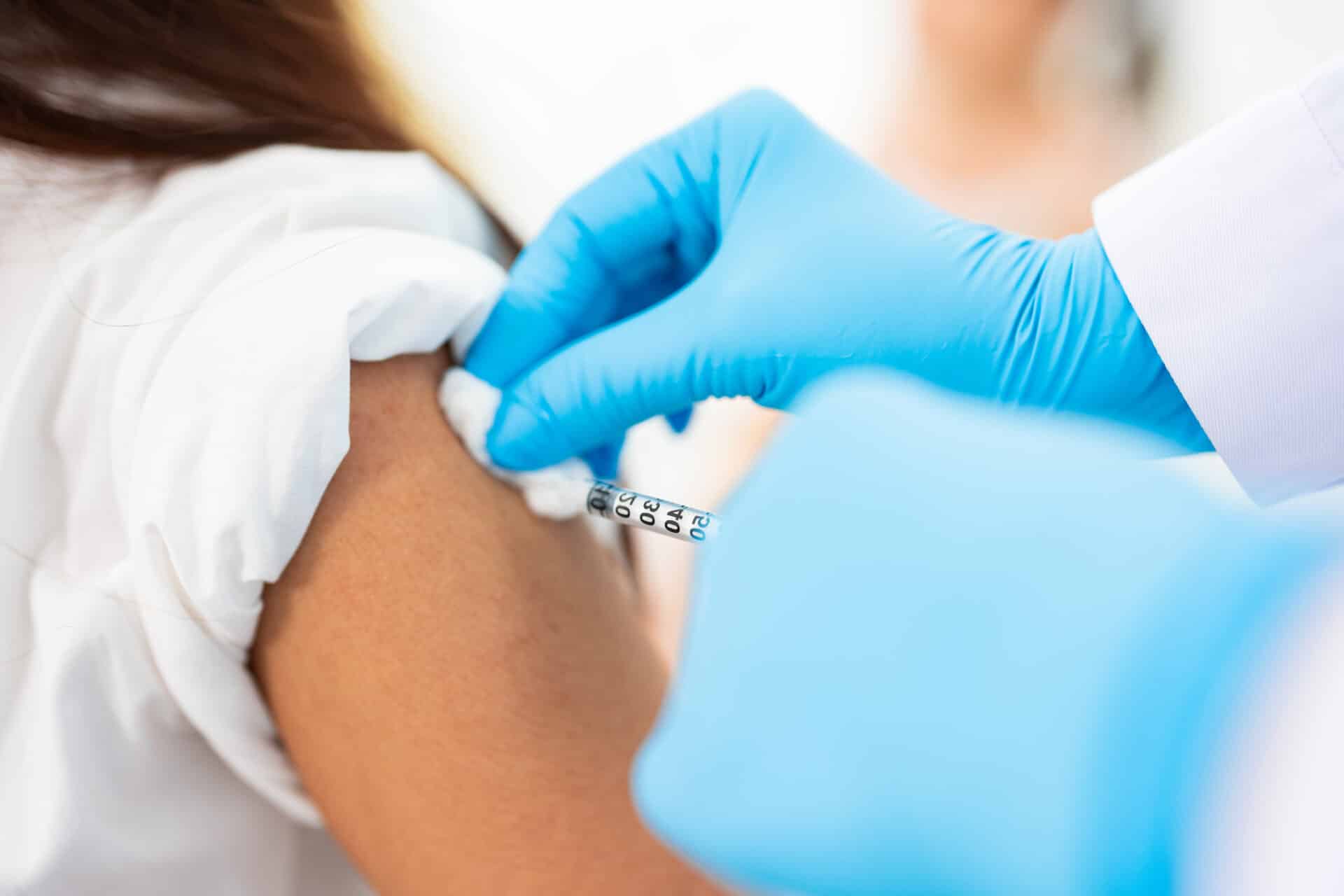
Fortunately, there are steps you can take to protect yourself from mpox:
Mpox is a public health concern; however, with proper education, prevention strategies, and access to healthcare, the spread can be controlled. By working together and addressing potential disparities in healthcare access, we can ensure the Black community and all populations are protected from mpox.
By subscribing, you consent to receive emails from BlackDoctor.pro You may unsubscribe at any time. Privacy Policy & Terms of Service.
Are you a healthcare professional? Register with us today!