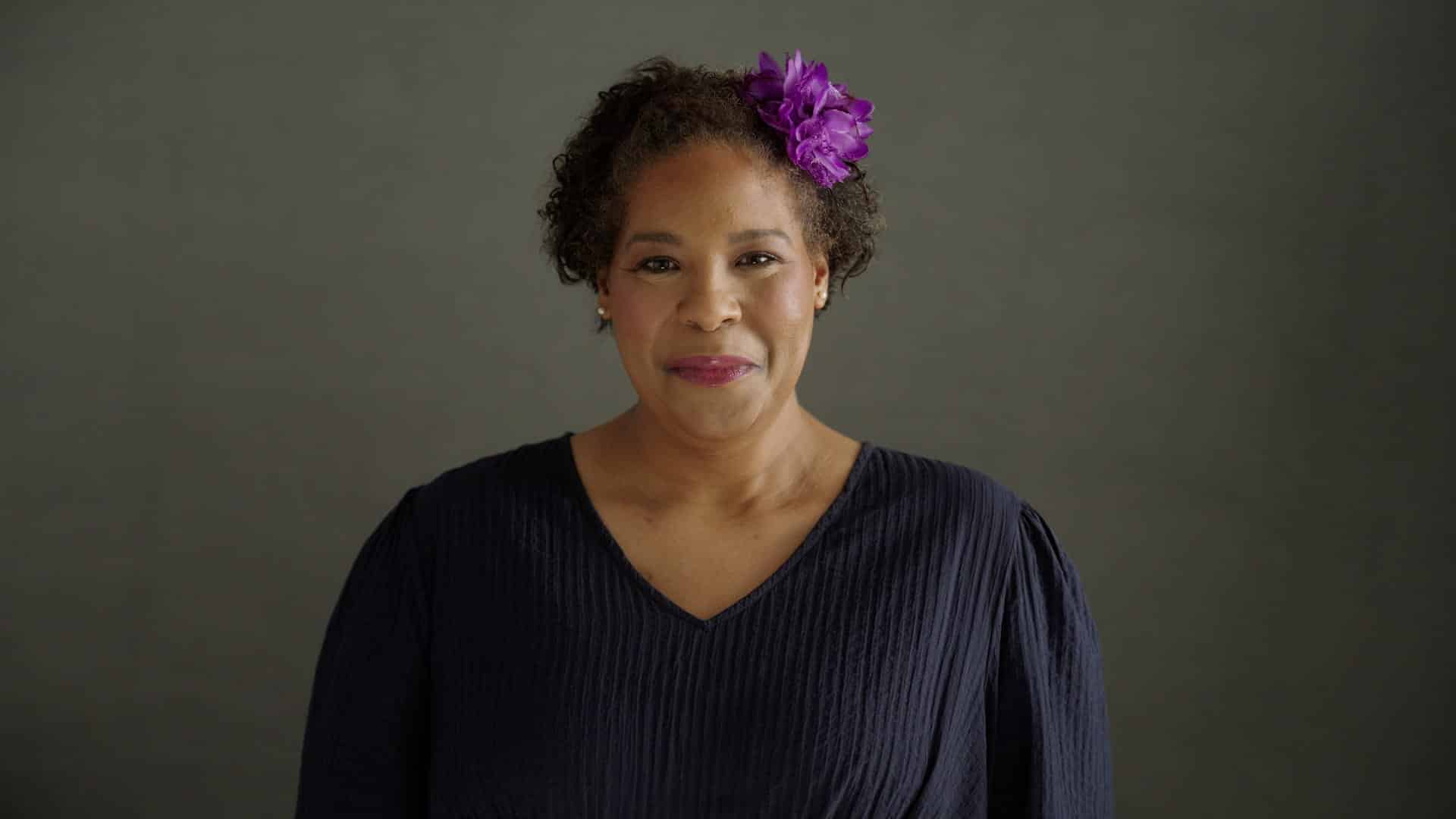
Megan-Claire Chase was diagnosed with stage 2A invasive lobular breast cancer at age 39, just months before routine screening recommendations would have applied. Despite experiencing unusual symptoms for more than two years, she struggled to find answers until she ultimately discovered the cancer herself.
While Chase had positive experiences with her care team during active treatment, she encountered new challenges entering long-term survivorship. Her experience highlights how fragmented cancer care can become once treatment ends, and patients begin navigating life beyond the disease.
While breast cancer survival rates are improving, clinicians must think beyond treatment completion and consider the long-term physical, emotional, and quality-of-life challenges that many survivors continue to face.
Chase experienced symptoms for more than two years before her breast cancer diagnosis. “[My hair] kept falling out only on the left side,” she said. “Nothing made sense. When I did feel [the tumor], it was near my underarm. I didn’t think breast [cancer] because of that location.” Her symptoms didn’t fit the commonly recognized picture of breast cancer, but she advocated for herself until she finally received a diagnosis.
“I’m always advocating for knowing what ‘normal’ is in your body, when something doesn’t feel right, and pushing for answers,” Chase said. “I had very strange symptoms that were not typical for over 2.5 years, and I just kept pushing and pushing.”
Patients often notice subtle bodily changes before objective evidence appears. Breast cancer is not a “one-size-fits-all” disease – patients can present with symptoms that are atypical. When patients’ concerns are dismissed, it not only can delay timely diagnosis and care, but it can also erode trust, which can be especially detrimental for patients from marginalized backgrounds.
Once a breast cancer diagnosis has been made, major treatment decisions must be made quickly. Rather than directing Chase’s care, her team explained surgical options, risks and benefits of each, and the rationale behind recommendations.
“They provided me with information and made sure that I knew this was my choice,” she said. “It felt like a partnership.”
Shared decision-making in breast cancer treatment is critical to align treatment with a patient’s personal values and lifestyle. It can ensure decisions reflect what matters most to the patient, such as body preservation, cosmetic symmetry, recovery time, fertility goals, or side-effect management.
Additionally, when patients are actively involved in treatment decisions, it can lower decisional conflict, anxiety, and long-term regret following major choices such as surgery or breast reconstruction.
Patients feel more empowered when clinicians explain why they’re making recommendations rather than simply presenting a treatment plan.
Chase’s plastic surgeon helped her process postoperative changes through a memorable visual analogy. Rather than relying solely on medical terminology, he adapted communication to her personality and learning style.
“He goes, ‘You saw the movie Titanic, right?’ And I was like, yes,” Chase said. “He said, ‘You know how huge and massive the iceberg was up on top? Now think about how massive that is below. That’s what we removed out of you, so these scars are going to be there forever.’”
Chase’s interaction with her plastic surgeon highlights the importance of patient-centered communication that meets patients where they are and adapts to their preferred way of processing information. Using technical terms to explain treatments can make it hard for some patients to understand. How a clinician communicates can be just as important as what they communicate. This is especially important when discussing life-altering treatments and body changes.
Clinicians should personalize communication styles for each patient to align with the individual’s most important clinical goals, bridge communication gaps, and build the trust needed to deliver safe, effective care.
During her initial cancer treatment, Chase went through 16 rounds of chemotherapy, multiple surgeries, and 33 rounds of radiation. The effects of many of those treatments still lingered in recovery. “All of that does something to the body, mind, and spirit,” she said. “Long-term treatment was a little more complicated than I thought it would be.”
For Chase, one of the most unexpected aspects of survivorship was realizing that completing treatment didn’t mean returning to life as it was before cancer. She described feeling unprepared for the ongoing physical and emotional challenges that followed active treatment. “I thought I would bounce back,” she said. Instead, she found herself navigating lingering side effects, quality-of-life concerns, and the uncertainty that can accompany survivorship. More than a decade after diagnosis, she still experiences fear of recurrence and moments of grief related to how her cancer altered the trajectory of her life, including dreams and expectations she once held for the future.
Quality-of-life concerns become more important during long-term survivorship. Patient and care team priorities shift from acute survival to living beyond the disease. Although initial treatment side effects may subside, long-term or delayed challenges can persist for months or even years, including sleep disturbances, chronic fatigue, joint and muscle aches, and cardiac or bone health concerns. There are also psychological and emotional concerns, including fear of recurrence, anxiety, body image changes, and sexual health or dysfunction challenges.
Clinicians should plan for the “quieter” challenges survivors can face and ensure those needs are addressed in their treatment plan.
Chase is involved with About Damn Time, a new movement for long-term breast cancer survivors that aims to address the unmet needs of breast cancer survivors through education and advocacy. Providers can share this with patients as an additional resource that can support them through their long-term care journey.
Ten years after her diagnosis, Chase said she now feels the most supported by her care team. Her providers continue to monitor long-term, coordinate her care across teams, recognize her breast cancer history during other medical encounters, and welcome questions and discussion about new research.
“I was so proud of myself for making sure that I surrounded myself with a care team now in this phase of the lived experience of survivorship that is really pulling for me to continue healing,” Chase said.
For many survivors, reassurance, continuity, and partnership can be just as valuable as medical expertise.
Clinical trials let patients try new drugs, medical devices, and other treatments that could improve outcomes for a particular illness or disease. Black Americans are underrepresented in clinical research, limiting the ability of researchers and providers to know how new treatments work across diverse patient populations.
Chase was never invited to participate in a clinical trial and was initially skeptical. But over time, her perspective evolved after experiencing long-term treatment challenges.
Patients shouldn’t be expected to identify clinical trial opportunities on their own, especially when they’re newly diagnosed and overwhelmed. Clinicians play an important role in introducing appropriate research opportunities and helping patients understand eligibility requirements, risks, and potential benefits.
A decade after her diagnosis, Chase still experiences moments of fear, grief, and uncertainty. Yet one message remained consistent throughout her interview: survivors need more than successful treatment; they need clinicians who continue listening, communicating, and partnering with them long after active therapy concludes.
As patients live longer after breast cancer, survivorship care must evolve from an afterthought to a core component of comprehensive cancer care, particularly for Black women whose experiences and concerns have historically been overlooked.
By subscribing, you consent to receive emails from BlackDoctor.pro You may unsubscribe at any time. Privacy Policy & Terms of Service.
Are you a healthcare professional? Register with us today!