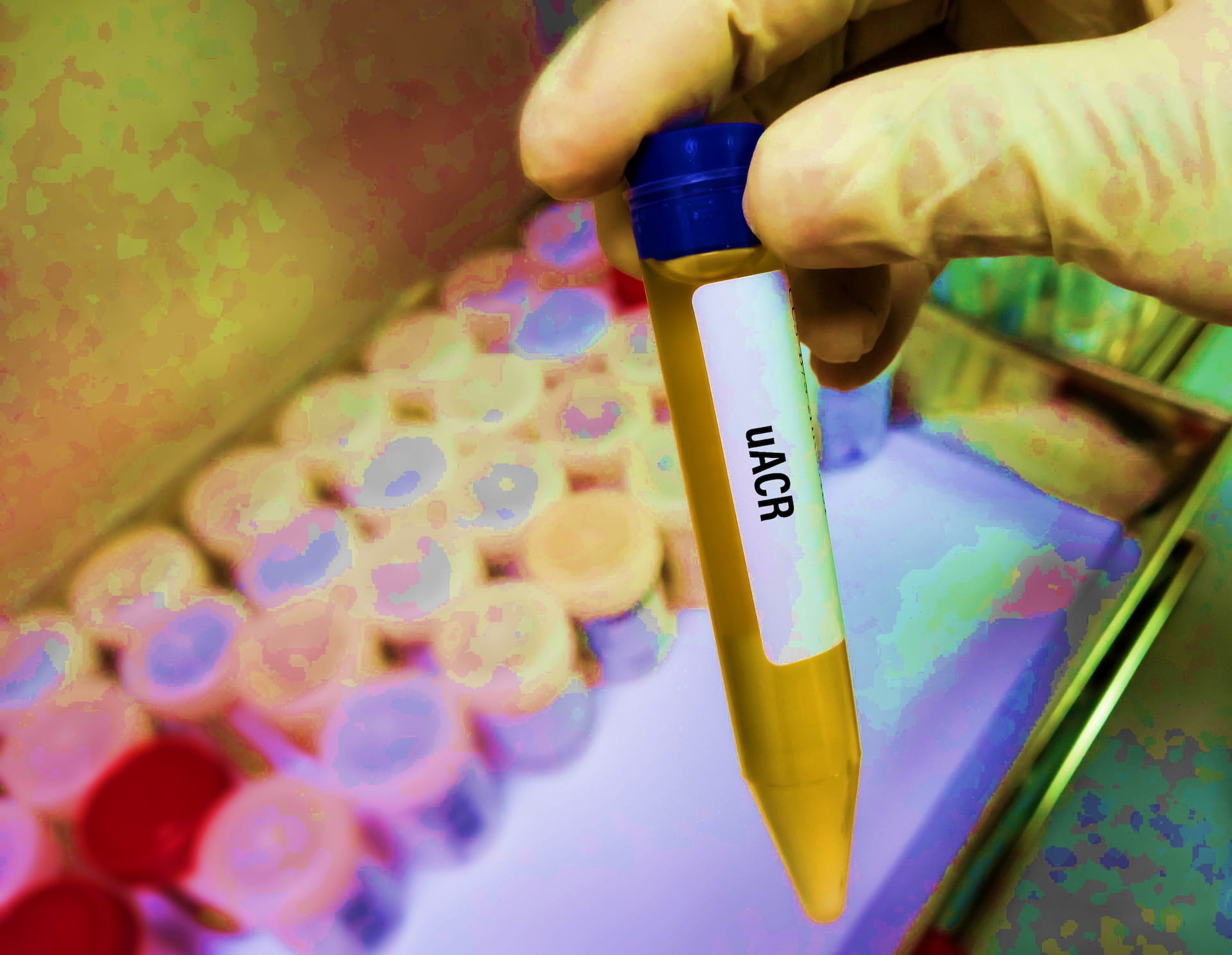
Today is World Alzheimer’s Day, which raises global awareness and challenges the stigma surrounding Alzheimer’s disease and other forms of dementia.
Alzheimer’s disease has been difficult to diagnose, as there hasn’t been a single test for it, and early signs can often mimic normal aging or other health issues.
Having the ability to detect biological markers associated with Alzheimer’s disease through a blood test could make the diagnostic process less invasive and potentially more accessible, possibly reducing reliance on procedures such as spinal taps or brain scans in some cases.
Carl V. Hill, PhD, MD, MPH, the Chief Diversity, Equity, and Inclusion Officer for the Alzheimer’s Association, said current research on blood tests for Alzheimer’s disease has been groundbreaking. In a recent real-world study, primary care physicians using blood tests diagnosed the condition nearly as accurately as specialists. “The results could certainly change diagnosis or care decisions for more than half of primary care patients,” he said.
But as Alzheimer’s blood tests advance, one question remains: Will the benefits reach Black patients who already experience disparities in diagnosis, care, and research participation?
The four FDA-cleared blood tests are a rapidly developing area, but they are not standalone diagnostic tools. Rather, they are additional tools that can help guide clinicians in determining the next steps in patient care.
The tests measure Alzheimer’s-related biomarkers in the blood, including phosphorylated tau (p-tau) and beta-amyloid. Depending on the test, these biomarkers can help identify biological changes associated with Alzheimer’s disease.
The FDA cleared the first blood test, Lumipulse, in May 2025, followed by Elecsys later that year. More recently, the FDA cleared PrecivityAD2 and Elecsys pTau217 in August 2026.
These blood tests offer advantages over previous Alzheimer’s diagnostic tools. “Until recently, diagnosing Alzheimer’s required invasive and expensive procedures,” Dr. Hill explained. “Blood tests that measure amyloid and tau proteins offer a far less invasive, less expensive, and more convenient path to the same biological information.”
The previously mentioned study involving primary care physicians raises the possibility of expanding diagnostic capabilities beyond specialty settings.
No single blood test can diagnose Alzheimer’s disease on its own, so they’re not a replacement for standard diagnostic tools, Dr. Hill said. “Doctors should use these tests alongside memory tests, physical exams, and maybe even brain scans to reach a diagnosis. Blood tests are one piece of a bigger picture.”
The FDA-cleared tests discussed here are intended for people who already have documented signs of memory loss or cognitive impairment, rather than for screening people with no symptoms.
According to Dr. Hill, a test result indicating signs of Alzheimer’s is not definitive. “A positive result may need additional confirmation with other testing, and results should always be reviewed by a healthcare professional as part of a full evaluation, not interpreted alone,” he explained. A negative test doesn’t completely rule out Alzheimer’s either.
For diagnostic blood tests, results should be interpreted as one component of the overall diagnostic evaluation rather than as confirmation on their own. Predictive risk tests are different: an elevated biomarker level can indicate increased risk without meaning that an individual will definitely develop cognitive impairment.
As Dr. Hill said, “risk is not certainty,” and patients with elevated biomarkers may never develop cognitive impairment. After a patient receives test results — whether negative or positive — clinicians should walk through what the blood sample revealed and next steps for care, if appropriate.
Black Americans are twice as likely as white Americans to develop Alzheimer’s or another form of dementia, Dr. Hill said. Yet they are less likely to receive a formal dementia diagnosis. The Alzheimer’s Association reported that only 20 percent of Black Americans say they have no barriers to excellent healthcare and support for Alzheimer’s and other types of dementia.
Dr. Hill pointed out several factors that can contribute to these disparities, including:
These factors can affect when patients enter the diagnostic pathway and whether they have access to emerging tools like blood tests once they do.

Diverse enrollment in diagnostic research can help researchers determine whether a test performs consistently across different patient populations.
“African Americans are disproportionately affected by Alzheimer’s and other dementia, but also severely underrepresented in these clinical trials, which raises important questions about whether tools validated in mostly majority-white research populations perform equally well across groups,” Dr. Hill said.
For clinicians, that evidence can help inform how confidently they can incorporate a test into diagnostic decision-making across diverse patient populations.
Researchers can help increase representation in clinical trials by engaging directly with communities.
Dr. Hill pointed to the Alzheimer’s Association’s U.S. POINTER Study as an example of how a community-engaged approach can support diverse participation in research. The study examined how accessible and sustainable lifestyle interventions can protect cognitive function in diverse populations across the country.
Research participation can help strengthen the evidence base while giving communities a greater role in shaping the development and evaluation of emerging diagnostics.
As more blood tests for Alzheimer’s become available, here’s what providers should keep in mind:
For additional clinical guidance and professional resources, providers can visit the Alzheimer’s Association’s ALZPro, which offers evidence-informed clinical guidelines, education, training, research publications, and other tools.
By subscribing, you consent to receive emails from BlackDoctor.pro You may unsubscribe at any time. Privacy Policy & Terms of Service.
Are you a healthcare professional? Register with us today!