
Black adults continue to shoulder a disproportionate burden of type 2 diabetes, experiencing higher rates of disease, complications, and diabetes-related mortality than white adults. While clinicians understand the importance of diabetes self-management education, traditional office-based programs don’t always address the cultural, social, and structural barriers that influence how patients manage their condition outside the clinic.
Community-based, culturally tailored diabetes self-management education and support (DSMES) programs may help bridge that gap.
A new scoping review published in the Journal of Racial and Ethnic Health Disparities analyzed 13 studies evaluating the effectiveness of community-based diabetes interventions for Black adults with type 2 diabetes. The findings reveal that where — and how — diabetes education is delivered may be just as important as the education itself.
As previously mentioned, Black U.S. adults are disproportionately burdened by type 2 diabetes, experiencing higher rates of complications and mortality than white adults.
When delivering traditional, office-based education, it can overlook the factors that can drive these disparities, such as:
This is where community-based interventions can step in. These programs have grown in popularity for chronic disease management and treatment because they improve access, build local trust, and address the root social causes of health and social issues. By involving local people directly, these programs deliver culturally relevant, cost-effective, and long-lasting results that traditional healthcare facilities often miss.
The researchers conducted a scoping review of 13 community-based interventions involving Black adults with type 2 diabetes. The studies reviewed were published through November 2025. The researchers looked at implementation strategies, rather than whether or not diabetes education works. This approach was taken because implementation often determines whether interventions succeed in real-world settings rather than education alone.
The researchers identified four approaches that consistently improve diabetes self-management among Black adults in the studies:
Community health workers (CHWs) often share cultural backgrounds or lived experiences with participants; they can reinforce clinical recommendations in ways that feel more relatable and sustainable. The researchers found that involving these professionals increased trust, accountability, and ongoing encouragement, as well as modest improvements in glycemic control. For clinicians and health systems, partnering with CHWs or peer coaches after diagnosis or hospital discharge may help improve outcomes.
In many Black communities, churches are viewed as trusted institutions. When church leaders and faith organizations were involved in the community-based interventions, it led to higher engagement, better attendance, and community accountability. Local churches and faith organizations can become valuable referral partners for getting Black patients into care for better diabetes self-management.
The researchers found that community-based interventions that implemented familiar foods, relevant meal planning, real-life examples, and respected cultural preferences rather than replacing them had more positive outcomes. Culturally tailored interventions also adapted educational materials, communication styles, and goal-setting strategies to reflect participants’ values and lived experiences. Having culturally relevant education improves adherence because patients can realistically incorporate recommendations into daily life.
Rather than solely focusing on education alone, successful programs often included:
Having these comprehensive strategies produced the most meaningful improvement in Black adults with type 2 diabetes.
By implementing community-based interventions for diabetes self-management, the study’s researchers found improvements in:
While changes in HbA1c remain a critical benchmark, improvements in self-efficacy, medication adherence, and diabetes knowledge often precede long-term clinical gains. These behavioral outcomes may help sustain healthier habits long after a formal intervention ends.
For clinicians and public health professionals, these benefits show that improved confidence often predicts sustained diabetes management and long-term clinical outcomes. Helping patients believe they can successfully manage diabetes may be as important as teaching them how.
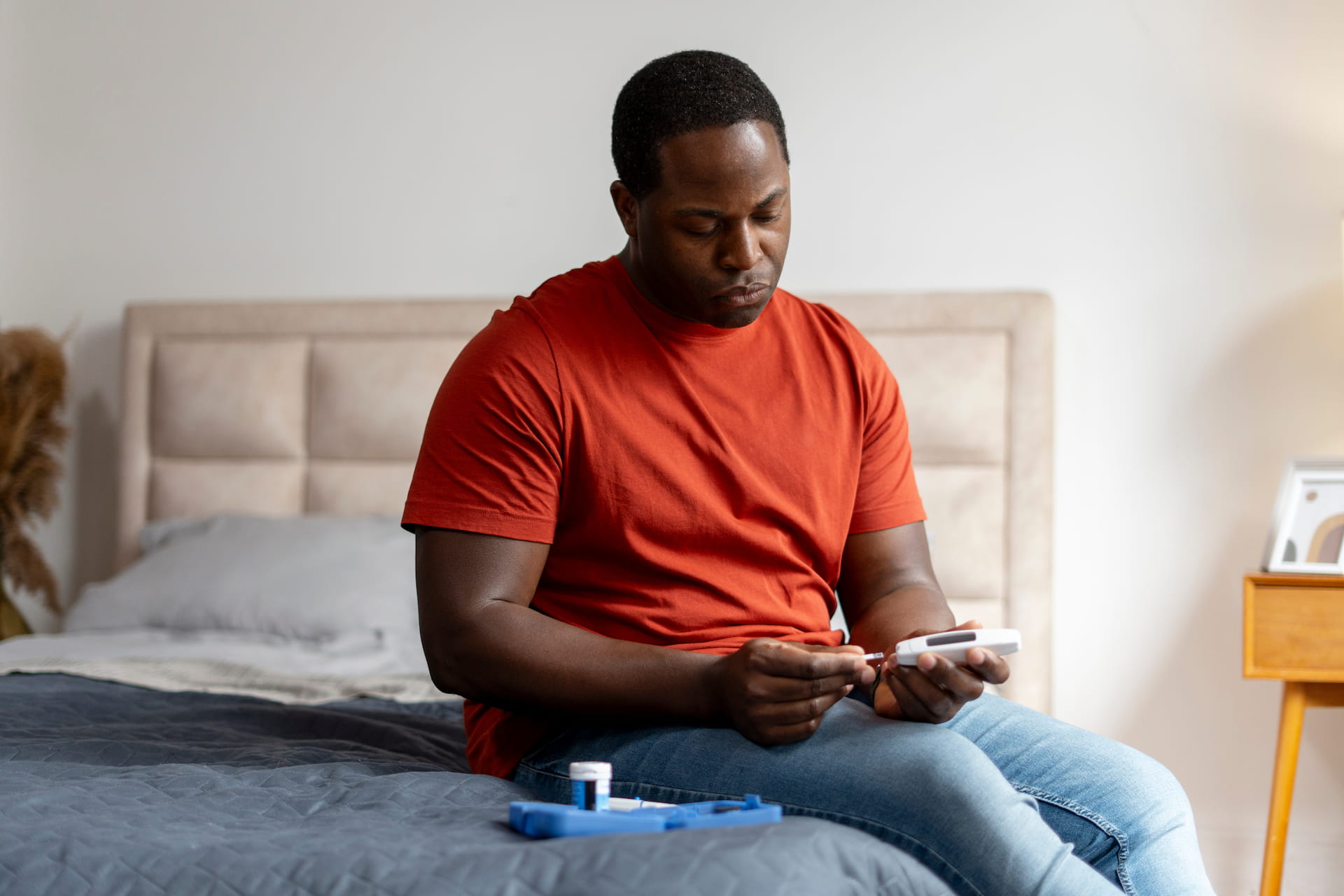
Despite the promising results, the review also highlighted the challenges of sustaining community-based interventions over time. Many programs struggled with participant retention, limited funding, workforce capacity, and inconsistent reporting of outcomes, making it difficult to compare interventions across studies.
It’s important to understand that engagement — not effectiveness — was often the biggest obstacle for engaging Black adults with type 2 diabetes in interventions.
Here are the main clinical takeaways for providers:
As health systems increasingly prioritize health equity, community-based DSMES programs may offer a scalable model for improving diabetes outcomes among Black adults. The review suggests that lasting progress will depend not only on what clinicians teach, but also on partnering with trusted community organizations that can help patients put that knowledge into practice.
By subscribing, you consent to receive emails from BlackDoctor.pro You may unsubscribe at any time. Privacy Policy & Terms of Service.
Are you a healthcare professional? Register with us today!