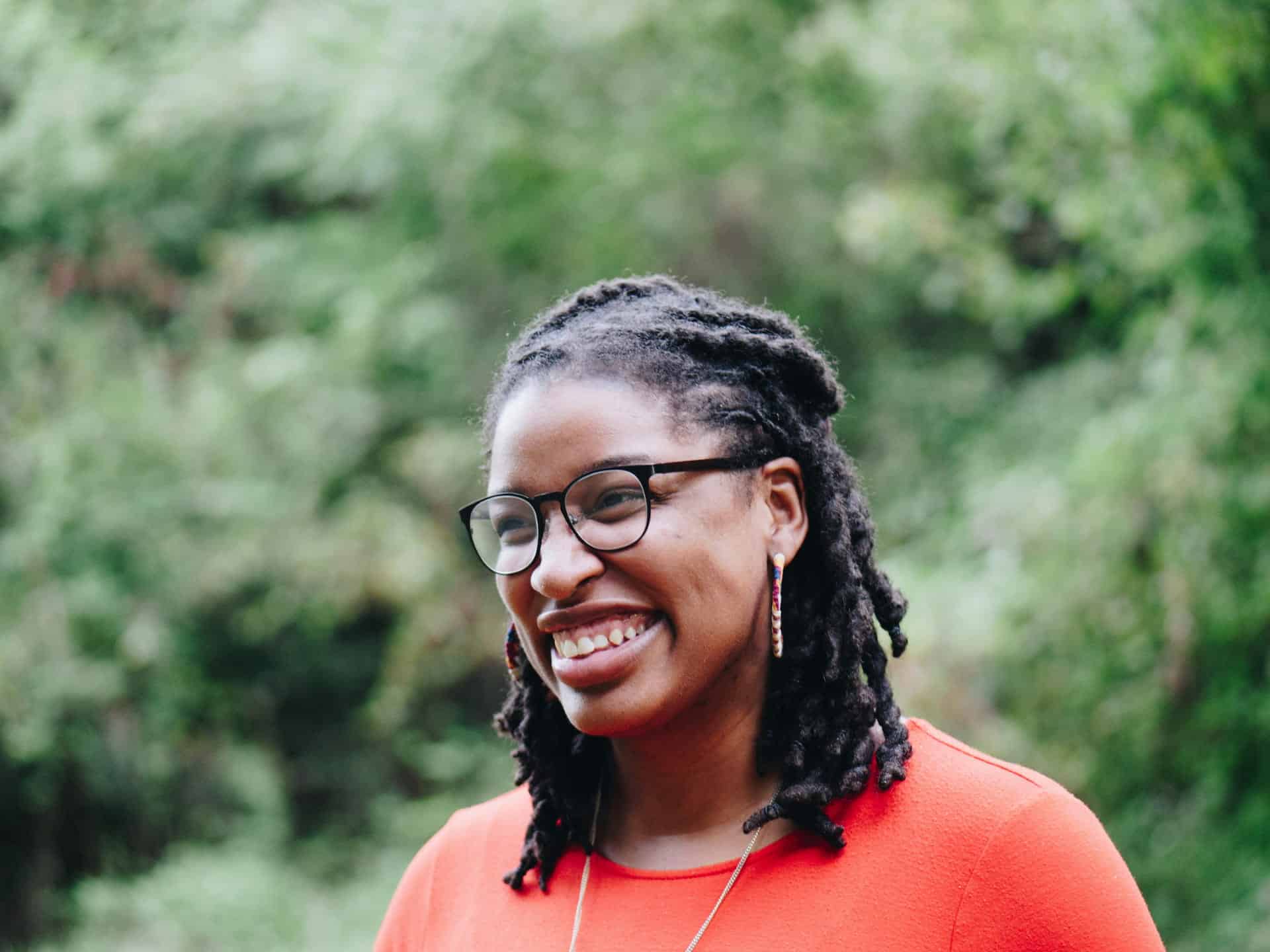
Many women are diagnosed with ADHD and autism later in life, often after years of being misdiagnosed or overlooked. Masking behaviors can begin very early in life, making coping seem like a resilient personality trait. For Black women, these delays can be even more pronounced, shaped by bias, cultural scripts, and limited access to specialty care.
To end the silence, physicians can play a critical role in recognizing atypical presentations, asking screening questions, using diagnostic tools, and documenting patterns that support diagnosis. A trusted clinician can guide patients toward academic and workplace accommodations and other support services after diagnosis.
Here’s how doctors can support Black women navigating late ADHD and autism diagnoses.
Matt Zakreski, PsyD, a clinical psychologist who specializes in working with neurodivergent people (autism, ADHD, gifted, etc.), says that diagnostic models are based not only on boys, but on upper-middle-class white boys.
“Boys also tend to have much bigger, more noticeable behaviors, which puts them on the radar of parents, teachers, and doctors,” Dr. Zakreski explains. “So, more boys get diagnosed younger, whereas women (who tend to have more indirect behaviors) learn how to mask and/or suffer in silence. Later in life, when life gets harder than they can handle on their own, they ‘suddenly’ start to struggle and can get a diagnosis.”
Krista Norris, LMFT, practice owner of Conscious Connection Therapy Services, adds that while males externalize their behavior, girls are often socialized to be compliant, emotionally attuned, and self-regulating. “As a result of this, many young girls learned to mask their symptoms early, internalizing their distress rather than expressing it outwardly…Over time, the disconnect between the internal experience and external presentation often leads to anxiety, depression, or overall burnout, which are often what bring women into treatment. Only during this time does the underlying neurodivergence begin to come to the surface and be properly named.”
Thankfully, we know more now about ADHD and autism than our parents did just a generation ago, and people realize that these conditions are not time-bound or gender based. Anyone can be diagnosed at any stage of life.
According to Karen Sheridan, Ph.D., BCBA-D, LBA, a clinical psychologist and behavior analyst, presentation often comes down to masking, which “means that [people] are able to model social skills they see from their peers, television, and movies and implement those skills in order to ‘get by’ socially. This masking often leads to what we know as autistic burnout. After hours of masking (which is work to a person with autism…), adults with autism report being exhausted and need to be alone to ‘recharge’ before entering another social situation.”
In her opinion, women mask more because they are socialized to be people pleasers. Another difference she sees in female presentations is that repetitive behaviors or “stimming” associated with autism spectrum disorder (ASD) are more subtle, like tapping feet, twirling hair, or fidgeting.
Also, some of the obsessive interests common with ASD can be more socially acceptable subjects for girls and women. Think celebrity fandom, skincare, psychology, or professional overwork. She notes that eating disorders might be one particular standout differentiator, because, while they do affect women and girls more, they are more likely to be comorbid presentations.

When we get down to the science of it all, neurodivergence is hard to deny. Dr. Zakreski says there are physical differences in the brain to note. “The prefrontal cortex, the source of executive functioning behaviors in all people, is the last part of the brain to fully come online. For neurotypical people, this happens somewhere between 20 and 25.” For gifted kids, the age range is more like 28-35; for people with ADHD, it’s more like 30-35. People with multiple exceptionalities can see those ranges extend into the forties. “Additionally, the amygdala (source of fight or flight emotions) can be up to twice as large in neurodivergent people. Finally, one more meaningful example is the corpus callosum, the thick band of fibers that connects the two hemispheres of the brain. In neurotypical people, this band has between 70-100 million neurons; in gifted people, there are between 300-400 million,” he adds.
Differences in brain form and function are evident in demand-task tracking for ADHD brains. In dyslexic students, Broca’s area of the brain also doesn’t properly interface with data from the occipital lobe, which can lead to confusion in word recognition and processing.
Norris rightfully notes that neurodivergence sits at the intersection of biology and lived experience. “Neurodivergence is not solely a brain-based difference; it is also shaped by environment, culture, trauma, and overall adaptation,” she explains. “The meaning a person makes of their lived experience is just as clinically significant as neurobiology itself.”
Yet with so many Black people, and Black women in particular, working in spaces where they are rewarded for overwork or chided for authenticity, it can take a long time to recognize that the strain a person is experiencing is abnormal. Hence, the later diagnoses for women who camouflage well.
Hannah Jones, PsyD, a neurodivergent Black psychologist at Prosper Health, admits that stereotype threat and the pressure to overperform play a role in stigma. Many Black individuals are navigating environments where they are expected to do more to receive the same recognition, which can shape how differences are perceived and managed over time. In this context, she says, some parents may hesitate to pursue evaluation or support services out of concern that a diagnosis will be used to discredit a child’s strengths or limit future opportunities. However, this can backfire later in life. Sustained overperformance without appropriate support can make neurodivergence less visible while increasing internal stress, sense of alienation, and burnout.
Normalized code-switching, typical for Black patients, can overlap with compensatory strategies for neurodivergence, making differences less visible in clinical settings and increasing cognitive load. She says this can lead to under-recognition for physicians and patients.
For Black parents, there’s also often a struggle with self-blame when it comes to a child who behaves differently than expected. Discipline and performative compliance are often seen as minimal expectations in Black families, and when a child doesn’t conform, it can lead to blame on an intergenerational level. “Behaviors associated with ADHD or autism in Black children are more likely to be disciplined rather than assessed, reinforcing shame rather than understanding,” Norris says. “By adulthood, many women have internalized the belief that their struggles are personal failures rather than neurodevelopmental differences.”
This overall stigma can delay diagnosis, limit access to care, and deepen psychological and racialized distress.
Dr. Zakreski adds that he tells parents that “the world is going to label your child anyway: lazy, spoiled, space cadet, etc. One way that we protect our children is by giving them a counter-narrative about why those things aren’t true. A diagnosis is a great way to do so.”
Clinicians should not dismiss symptoms of neurodivergence or the masking associated with it. This requires a shared responsibility, especially when adult patients trust their providers enough to disclose burnout and overcompensation.
Studies show that Black patients may not use the same vocabulary or verbal cues as white patients, but they are still expressing distress. Dr. Sheridan notes in her practice that Black women may say they have “nerve problems” or bad nerves to talk about anxiety symptoms. Research on Black men also shows how performative masculinity may undermine diagnosis.
Norris adds that Black women are socialized to become the “Strong Black Woman” archetype. “Within this framework, seeking support or naming a neurodevelopmental difference can feel like vulnerability that is not culturally permitted or safe,” she explains.

While most diagnostic processes are qualitative, there are many tools a clinician can use to decide whether to refer a patient to a specialist. Dr. Sheridan says that it is important to go to specialists who are well-trained in autism, ADHD, and neurodivergence.
“For children, autism evaluations are usually done by psychologists who specialize in ASD, developmental pediatricians, and pediatric neurologists,” Dr. Sheridan notes. “For adults, psychologists who specialize in ASD are the best choice for an evaluation because psychologists are trained in psychological assessment during graduate school. There are a lot of Master ’s-level clinicians who are practicing outside of their scope of practice by offering adult ASD evaluations after short-term CEU courses.”
In her practice, Dr. Sheridan uses gold standard psychological tests to diagnose autism:
But Dr. Sheidan says that it can be difficult for adults to establish their ASD symptoms because they have been present since childhood. She finds talking with clients’ relatives or friends who have known them since childhood can help establish a baseline.
After diagnosis, she has suggested workplace accommodations that might help them be more productive and reduce conflicts with coworkers: she’s worked with patients to advocate for several accommodations as part of the standard workflow. Uninterrupted work time, receiving written instructions (rather than verbal) for tasks, dictation systems, noise-canceling headphones to minimize sensory overload, and fidget tools can all help with focus and attention.
No matter the diagnosis, Dr. Zakestri says it is imperative that clinicians not only explain how the brain works but also educate patients on their legal rights under Free Appropriate Public Education (FAPE) (for students) or the Americans with Disabilities Act (ADA) (for adults and students).
Black women with ADHD and autism are often diagnosed late because they are socialized to mask symptoms, overperform, and internalize distress rather than display outward behavioral challenges.
Bias in diagnostic standards and cultural stigma can cause physicians, families, and institutions to misinterpret neurodivergent traits in Black women as personality flaws, laziness, or behavioral problems instead of symptoms requiring evaluation and support.
Compassionate, culturally aware clinicians can improve outcomes for Black women by recognizing nontraditional presentations of neurodivergence, validating burnout and masking behaviors, and helping patients secure appropriate evaluations, accommodations, and long-term support.
By subscribing, you consent to receive emails from BlackDoctor.pro You may unsubscribe at any time. Privacy Policy & Terms of Service.
Are you a healthcare professional? Register with us today!