
Nearly 6 out of 10 U.S. women will have some type of heart disease during the next 25 years, a trend driven by rising rates of high blood pressure, a new American Heart Association report says.
Heart disease disproportionately affects women for several reasons — underrecognition, delayed diagnosis, and unique risk factors. In fact, heart disease is the leading cause of death for women in the United States and can impact them at any age.
Black women are even further impacted by this disparity, who have the highest burden of cardiovascular disease among all U.S. women. Almost 59 percent of Black women over the age of 20 live with cardiovascular disease, and have higher rates of hypertension, obesity, and stroke than white women.
For providers, the latest findings can encourage earlier intervention to reduce health disparities among Black women.
Almost 60 percent of women could have high blood pressure by 2050, up from about 50 percent in 2020, according to results published in the journal Circulation.
“One in every three women will die from cardiovascular disease — maybe it’s your grandmother, or your mother, or your daughter,” said lead author Dr. Karen Joynt Maddox, a professor of medicine and public health at the Washington University School of Medicine in St. Louis.
“Additionally, more than 62 million women in the U.S. are living with some type of cardiovascular disease, and that comes with a price tag of at least $200 billion annually,” she said in a news release. “Our estimates indicate that if we stay on the current path, these numbers will grow substantially over the next 25 to 30 years.”
Using federal health data, researchers estimate that, in addition to rising rates of high blood pressure:
This trend will affect even younger generations, researchers said.
Nearly 32 percent of girls between 2 and 19 years of age are projected to have obesity by 2050. That’s likely caused by more than 60 percent of girls not getting enough exercise and more than half having poor diets, researchers said.
These chronic health problems increase women’s risk of heart disease, heart failure, abnormal heart rhythms, and stroke.
“Cardiovascular disease is the leading cause of death for women and remains their No. 1 health risk overall,” Dr. Stacey Rosen, volunteer president of the American Heart Association, said in a news release.
“While many people may think these conditions, like high blood pressure, are only occurring in older women, we know this is not the case,” she said. “We know the factors that contribute to heart disease and stroke begin early in life, even among young women and girls.”
She called these trends especially disturbing.
“It indicates they will be facing chronic health issues for most of their lives,” Rosen said.
Results also projected growing disparities among women of color:
“The impact is even greater among those experiencing adverse social determinants of health such as poverty, low literacy, rural residence, and other psychosocial stressors,” Rosen said. “Identifying the types of trends outlined in this report is critical to making meaningful changes that can reverse this course.”
However, the report holds some good news.
Rates of high cholesterol are expected to decline among nearly all groups of women, researchers said. The team also projects improvements in habits like eating healthy, getting more exercise, and quitting smoking.
As much as 80 percent of heart disease and stroke can be prevented through healthy behaviors, according to the association.
“The most efficient, effective, and least costly way to reduce the prevalence and impact of cardiovascular disease is through prevention,” Joynt Maddox said.
“Yet, these projections signal that our current prevention efforts are inadequate, particularly for women of color and younger women,” she added. “In the report, we’ve identified several considerations to improve prevention, treatment, and sustained care across the life course for all women.”
These projections underscore the need for providers to identify cardiovascular risk factors much earlier and address them across the life course — particularly among women who have been underdiagnosed or undertreated.
Studies have long shown that women’s cardiovascular symptoms are often misinterpreted or minimized. Women may present with atypical symptoms of heart attack — such as fatigue, nausea, shortness of breath, or jaw and back pain — rather than the classic chest pain that clinicians are trained to recognize.
As a result, clinicians may need to implement more proactive screening and patient education strategies, especially in primary care settings.
For Black women, targeted intervention can be especially critical. Structural barriers, including limited access to high-quality care, insurance gaps, food insecurity, and chronic stress linked to systemic racism, are all contributors to a higher cardiovascular risk.
Providers can play a role in addressing these disparities by:
Cardiovascular risk in women is also closely related to life stages, including pregnancy, menopause, and aging, which may require different screening and prevention approaches.
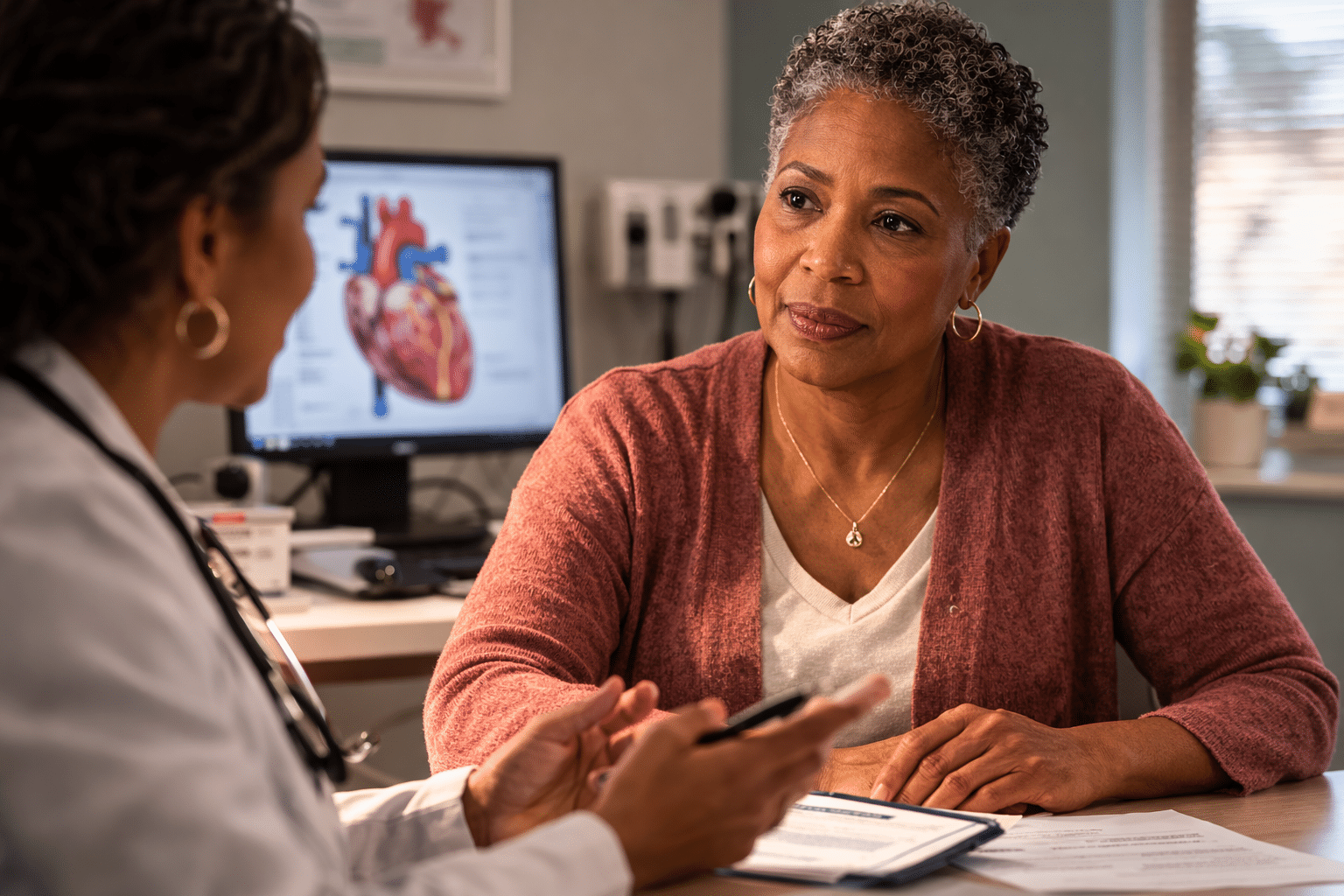
While the projections are concerning, experts say they highlight an opportunity for earlier intervention and more equitable healthcare.
Addressing cardiovascular risk factors before they progress into chronic disease could significantly reduce the burden of heart disease among women — particularly in communities already experiencing health disparities.
For clinicians, this can mean shifting the focus toward preventative care, earlier screening, and sustained engagement with patients across all life stages.
More information
The American Heart Association has more on Life’s Essential 8.
SOURCE: American Heart Association, news release, Jan. 25, 2026
By subscribing, you consent to receive emails from BlackDoctor.pro You may unsubscribe at any time. Privacy Policy & Terms of Service.
Are you a healthcare professional? Register with us today!