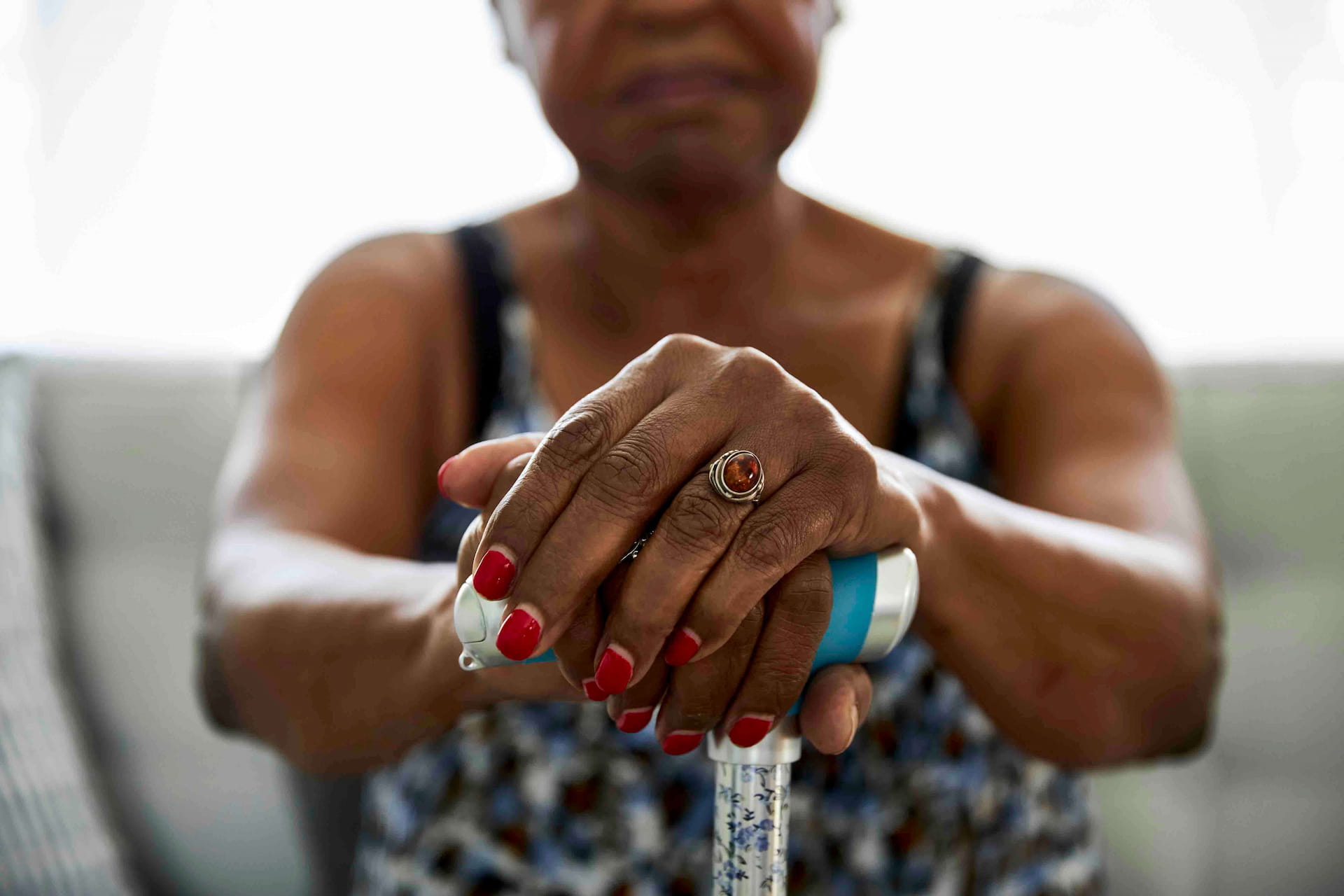
Updated recommendations are presented for adult stroke rehabilitation and recovery in a guideline issued by the American Heart Association and American Stroke Association and published online Aug. 27 in Stroke.
Lorie G. Richards, Ph.D., from the University of Utah in Salt Lake City, and colleagues conducted a comprehensive literature search between June and October 2025 to identify literature published since the 2016 Guidelines for Adult Stroke Rehabilitation and Recovery in order to update recommendations.
The guidelines provide recommendations for stroke rehabilitation and recovery, based on current evidence. These new and revised recommendations are updated across the stroke recovery continuum, including assessment and treatment of medical comorbidities, fracture risk, prevention of falls, technology-enabled rehabilitation, support for caregivers, participation in rehabilitation, and safe return to work and driving. The guideline also emphasizes the importance of emotional well-being in recovery after stroke, including recommendations for regular screening for depression, anxiety, and other mental health concerns. Rehabilitation is recommended to start in the hospital, as soon as the patient is medically stable and ideally within 48 hours of stroke; early initiation of rehabilitation therapy is associated with improved outcomes. For effective rehabilitation, a coordinated multidisciplinary care team is needed. Stroke recovery can be ongoing over months to years and may require periodic reassessment of goals and progress.
“Stroke rehabilitation is complicated. A stroke can affect many of the skills people rely on for daily living, and even the most routine activities involve multiple physical, cognitive, and communication abilities working together,” Richards said in a statement. “Developing rehabilitation guidelines is equally complex because every stroke is unique. Each person faces a different set of challenges.”
Several members of the writing group and peer review committee disclosed conflicts of interest with industry.
The updated guidelines emphasize matching stroke rehabilitation to the survivor’s functional needs and beginning rehabilitation early to offset further complications. But one issue remains: access to appropriate rehabilitation is not determined by clinical need alone. Insurance coverage, geography, availability of inpatient rehabilitation and skilled nursing facilities, transportation, and health system resources can all influence what care a patient actually receives.
For Black patients, this creates an important clinician consideration: don’t assume that a patient who isn’t participating in recommended rehabilitation is simply unwilling or “noncompliant.” Clinicians should identify practical barriers during discharge planning and connect patients and caregivers to appropriate resources for additional support.

Racial inequities persist across the stroke-care continuum, including recovery and rehabilitation. The AHA/ASA has specifically called for strategies addressing racial and ethnic inequities in rehabilitation and community reintegration.
When treating Black stroke survivors, clinicians should consider the following factors:
These factors can affect whether a patient can start, continue, or return to rehabilitation, rather than treating rehabilitation as a one-time discharge decision.
For Black stroke survivors, equitable recovery requires looking beyond whether rehabilitation was recommended to whether the patient can realistically access and participate in it.
Below are some practical approaches clinicians can take to ensure stroke patients receive equitable care during the recovery period:
The updated recommendations for stroke rehabilitation reinforce that recovery is an ongoing process that requires coordinated, individualized care. For Black stroke survivors, ensuring that those recommendations are accessible means addressing the barriers that can make it more challenging to participate in rehabilitation. By addressing those barriers early, involving caregivers, coordinating care across disciplines, and using telehealth options when appropriate, clinicians can help make stroke recovery more accessible and equitable for the patients they serve.
By subscribing, you consent to receive emails from BlackDoctor.pro You may unsubscribe at any time. Privacy Policy & Terms of Service.

Are you a healthcare professional? Register with us today!