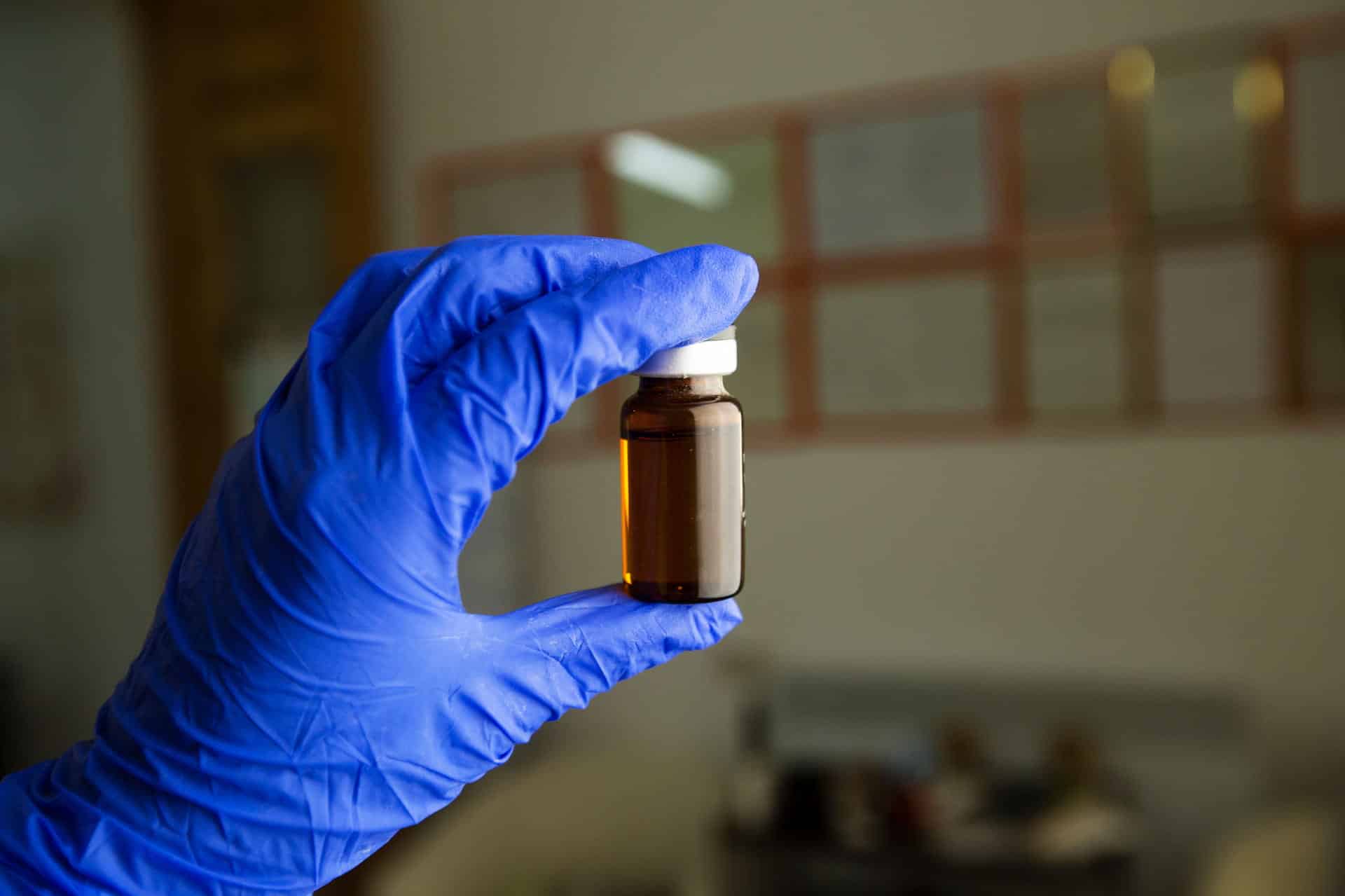
Six unapproved peptide injections popular in the wellness world could soon be sold by compounding pharmacies, under a draft federal policy released Wednesday.
The plan comes from the U.S. Department of Health and Human Services (HHS), led by Health Secretary Robert F. Kennedy Jr., rather than the U.S. Food and Drug Administration (FDA).
FDA scientists had little say in the latest draft policy and largely oppose it, the Associated Press reports, citing six people familiar with the process.
Peptides are short chains of amino acids, the building blocks of protein. Some occur naturally in the body, and several have become approved drugs for diabetes and weight loss.
The six peptides in the draft policy haven’t passed FDA review for safety or effectiveness, so under normal rules they’d be illegal drugs. The policy would direct the FDA not to act against compounding pharmacies that make them.
These are the six peptides and the uses proposed for them, according to The Washington Post:
Kennedy has called himself a “big fan” of peptides and has said he used BPC-157 for a muscle injury, reports AP News.
An HHS spokesperson said the agency is “confronting the risks of black-market peptides.” Many Americans now order peptides online from overseas sellers.
FDA staff helped write safety provisions into the plan. Pharmacies would have to buy peptide ingredients from FDA-registered factories, test their purity, and track side effects.
Dr. Peter Lurie, a former FDA official who now leads the nonprofit Center for Science in the Public Interest, noted the FDA lacks legal power to enforce those requirements.
He added that well-tested, FDA-approved drugs already exist for conditions these peptides are promoted for, such as insomnia, anxiety and migraines.
As people “are diverted from those drugs toward this stuff, there will be more unnecessary pain and suffering,” Lurie told AP News.
In 2023, the FDA added BPC-157, TB-500 and other peptides to a list of substances pharmacies shouldn’t compound, citing tumor growth, kidney damage and allergic reactions.
Yet in July, an outside panel chosen by HHS, which included people who work in the peptide field, voted to lift limits on both of those peptides and four others.
Telehealth company Hims & Hers has said it plans to sell wellness peptides once the rules change, and AP News reports that analysts value the market at more than $2 billion.
The public will have two weeks to comment before the policy is finalized.
As interest in peptide-based therapies grows, clinicians may increasingly encounter patients seeking treatments promoted for weight loss, muscle growth, anti-aging, and recovery, despite limited evidence supporting their safety and effectiveness. As access to certain peptides expands, providers may face greater pressure to discuss products without robust clinical trial data or FDA-approved indications.
Clinicians should be prepared to counsel patients on the differences between approved medications and compounded or investigational peptides, emphasizing the potential risks associated with products that lack established efficacy, standardized dosing, or long-term safety data. The evolving regulatory environment also highlights the importance of monitoring guidance from the FDA, professional organizations, and state medical boards as oversight of peptide therapies continues to develop.
More information
Visit the U.S. Food and Drug Administration for more information about compounded drugs.
SOURCES: Associated Press, Oct. 28, 2026; The Washington Post, Oct. 28, 2026
By subscribing, you consent to receive emails from BlackDoctor.pro You may unsubscribe at any time. Privacy Policy & Terms of Service.
Are you a healthcare professional? Register with us today!