
Table of Contents▼
- What Changed in the CDC’s 2026 Childhood Vaccine Schedule
- Medical Organizations Push Back
- Professional Groups Backing AAP’s Guidance
- Other Organizations Show Their Support
- State and Health Departments Are Also Choosing Their Own Vaccine Guidance
- The Role of Public Trust in Science
- What This Means for Providers and Patients
- The Takeaway
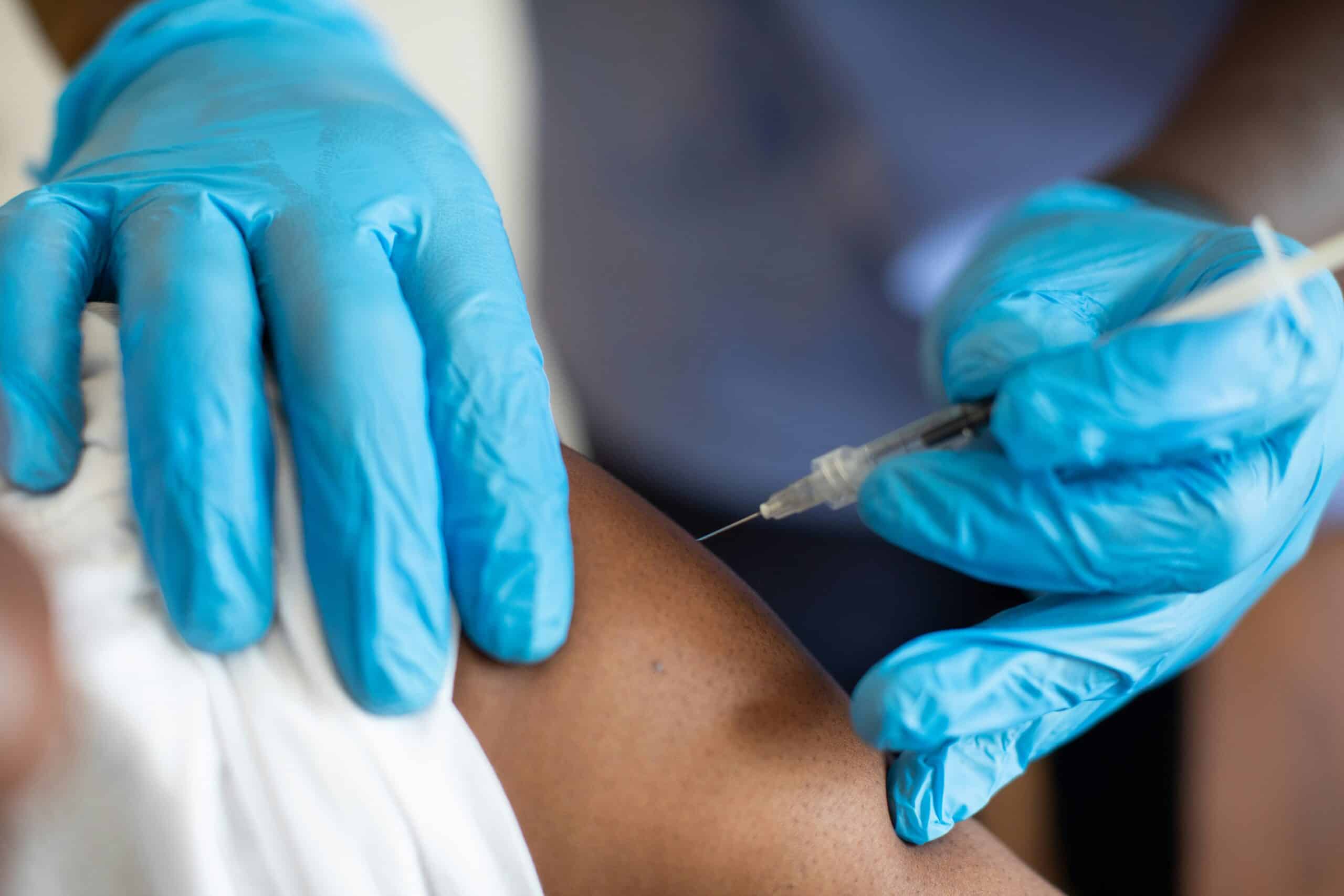
In the United States, multiple medical organizations and states are diverging from the Centers for Disease Control and Prevention’s (CDC) vaccine guidance. For several decades, childhood immunization recommendations have been largely unified among federal agencies and professional groups. But in early 2026, that alignment was fractured after the CDC revised the childhood vaccine schedule, which was primarily driven by Health and Human Services (HHS) Secretary Robert F. Kennedy Jr. and acting CDC director Jim O’Neill.
These substantial changes reduced the number of vaccines routinely recommended for children and moved several into risk-based or shared decision-making categories.
In response, many health organizations — including the American Academy of Pediatrics (AAP) and public health departments — have decided to continue following previous evidence-based recommendations instead.
What Changed in the CDC’s 2026 Childhood Vaccine Schedule
In January 2026, the CDC revised the national childhood vaccine schedule in response to a federal directive to review immunization practices in other developed countries. The updated schedule reduced the number of routine vaccines recommended for all children.
Several vaccines, including those for influenza, hepatitis A, and RSV, were moved into conditional categories or recommended only for high-risk groups.
The CDC’s Advisory Committee on Immunization Practices (ACIP) — an expert panel that reviews scientific evidence before issuing guidance — has been responsible for the country’s vaccine recommendations for several decades.
Many professionals argue that the recent changes did not follow the typical process of extensive scientific review and consensus-building. Some public health leaders say the decision occurred suddenly and without the input from infectious disease experts.
Additionally, many public health researchers are concerned about reductions in routine childhood vaccines, as they could lead to lower vaccination rates and a greater burden of preventable disease.
Medical Organizations Push Back
The American Academy of Pediatrics (AAP) responded to the drastic changes in routine childhood vaccine recommendations by releasing its own 2026 immunization schedule. The medical organization continues to recommend vaccines that protect children against 18 diseases — substantially more than the CDC’s seven recommended vaccines.
Pediatricians state that their recommendations are based on longstanding scientific evidence about disease risks in the U.S.
Professional Groups Backing AAP’s Guidance
Multiple national medical organizations have endorsed AAP’s schedule, including:
- American Medical Association (AMA)
- American College of Obstetricians and Gynecologists (ACOG)
- American Academy of Family Physicians (AAFP)
- National Medical Association (NMA)
Other Organizations Show Their Support
Non-profit organizations, such as March of Dimes, have also decided to follow AAP’s schedule over the CDC’s.
“March of Dimes stands by the vaccine recommendations published by the American Academy of Pediatrics and continues to support a transparent, science-driven process for immunization policy — one that keeps all children and families safe and healthy,” said Michael Warren, MD, MPH, FAAP, March of Dimes’ Chief Medical and Health Officer, in a statement.
State and Health Departments Are Also Choosing Their Own Vaccine Guidance
The updated vaccination guidelines have led to a growing divide across the country that has expanded beyond professional groups and nonprofit organizations.
As of early March, 29 states and Washington, D.C., have decided not to follow the CDC’s revised vaccine schedule.
Instead, they are relying on:
- Previous CDC recommendations
- Guidance from professional medical organizations
- Their own state public health reviews
Colorado, for example, has encouraged families to use the AAP’s vaccination schedule. “Colorado’s vaccine guidance is rooted in decades of strong scientific evidence and real-world experience,” Ned Calonge, MD, MPH, Colorado Department of Public Health and Environment’s Chief Medical Officer, said in a statement. “Regardless of changes at the federal level, our priority is ensuring families and providers have trusted, evidence-based guidance to keep children and communities healthy.”
The Role of Public Trust in Science
Garnering public trust is critical for influencing how vaccine recommendations are received. In fact, a February survey from the Annenberg Public Policy Center (APPC) revealed that:
- Sixty-seven percent of Americans have more confidence in federal health agency career scientists than agency leaders (43 percent).
- People have greater trust in major health and science associations outside the government — such as the AAP and NMA — than in federal health agencies.
- About one in four American adults is confident that HHS Secretary Robert F. Kennedy Jr. and Dr. Mehmet Oz, the Centers for Medicare and Medicaid Services, are delivering trustworthy public health information.
- Regarding newborn hepatitis B vaccination, Americans are more likely to accept the AAP’s advice over the CDC’s by nearly a four-to-one margin.
These results show that vaccination uptake heavily relies on trust in the institutions providing guidance.

What This Means for Providers and Patients
The conflicting childhood vaccination guidance significantly impacts how providers navigate these conversations with parents and caregivers. Federal guidance now differs from professional society recommendations, which could lead to confusion among parents, declining vaccine confidence, and the spread of misinformation online. These factors can contribute to a greater disease burden, potentially leading to more doctor’s visits and potential hospitalizations if advanced disease occurs.
The Takeaway
The divergence of professional medical organizations and state public health departments from the CDC’s updated childhood vaccine schedule reflects a larger debate about science, policy, and trust in public health.
While organizations may disagree on federal guidance, most agree on one thing: vaccines are critical for protecting children from preventable diseases.
Moving forward, restoring alignment between public health agencies, medical organizations, and communities will be essential for maintaining confidence in vaccination recommendations.