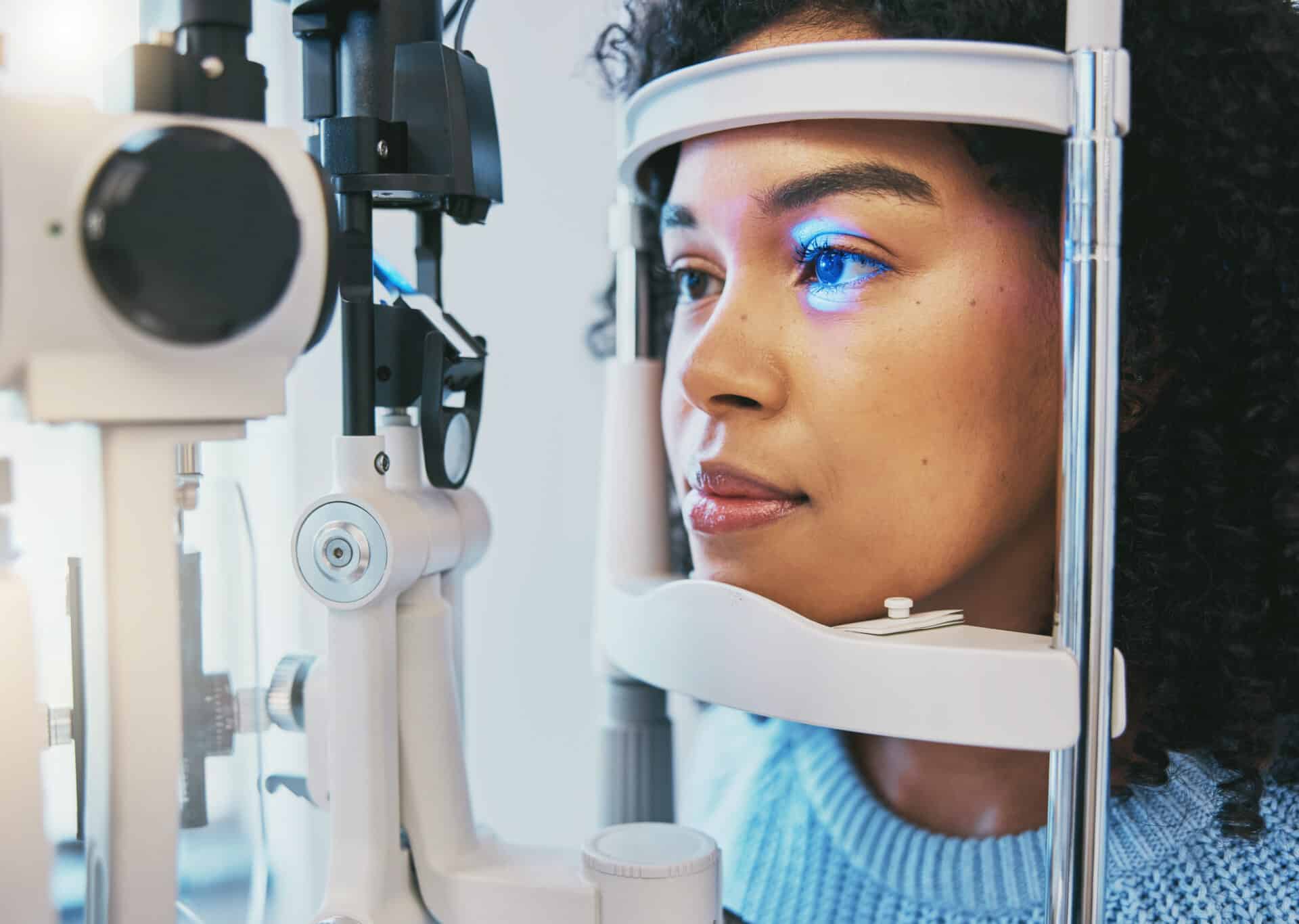
Genetic testing for inherited retinal diseases is less frequent in Black patients, impacting treatment options and clinical trial equity. Read more.
(HealthDay News) — The genetic testing rate is lower for Black than non-Hispanic White patients with inherited retinal diseases (IRDs), according to a study published online Nov. 7 in JAMA Ophthalmology.
Rebhi O. Abuzaitoun, M.D., from the University of Michigan Medical School in Ann Arbor, and colleagues examined the genetic detection rates of wide-panel testing in Black and non-Hispanic White patients with IRDs using retrospective patient data collected at the University of Michigan (UM) and Blueprint Genetics (BG).
A total of 572 patients were included in UM (9.4 percent Black; 90.6 percent White), while the BG database included 320 Black patients and 2,931 White patients. The researchers found that at UM, there were independent associations for Black race (odds ratio, 0.25) and age (odds ratio per 10 years, 0.84) with reduced odds of a positive test. In the BG database, 44.4 and 57.7 percent of Black and White patients, respectively, had a positive/likely positive result.
“Given that patients with no known genetic diagnosis have fewer options for receiving novel treatments, the equity of genetic testing directly impacts the equity of IRD clinical trials,” the authors write. “As future treatments become available, we must critically examine the genetic detection rates across majority and minority subgroups alike.”
Authors disclosed ties to Blueprint Genetics and ExamOne (owned by Quest Diagnostics).
Inherited retinal diseases (IRDs) are a group of eye disorders that affect the retina, the light-sensitive tissue at the back of the eye. These conditions are caused by genetic mutations and can lead to vision loss, including blindness. While IRDs can affect people of all backgrounds, certain conditions may disproportionately impact specific populations, including Black Americans.
Early diagnosis of IRDs is crucial for timely intervention and management. Genetic counseling can help individuals understand their risk of passing on IRDs to their children and make informed decisions about family planning.
While IRDs can affect anyone, it’s important to be aware of the specific challenges faced by Black Americans in relation to these conditions. Increased awareness, early diagnosis, and access to quality healthcare are essential for improving the lives of individuals affected by IRDs.
Abstract/Full Text (subscription or payment may be required)
By subscribing, you consent to receive emails from BlackDoctor.pro You may unsubscribe at any time. Privacy Policy & Terms of Service.
Are you a healthcare professional? Register with us today!