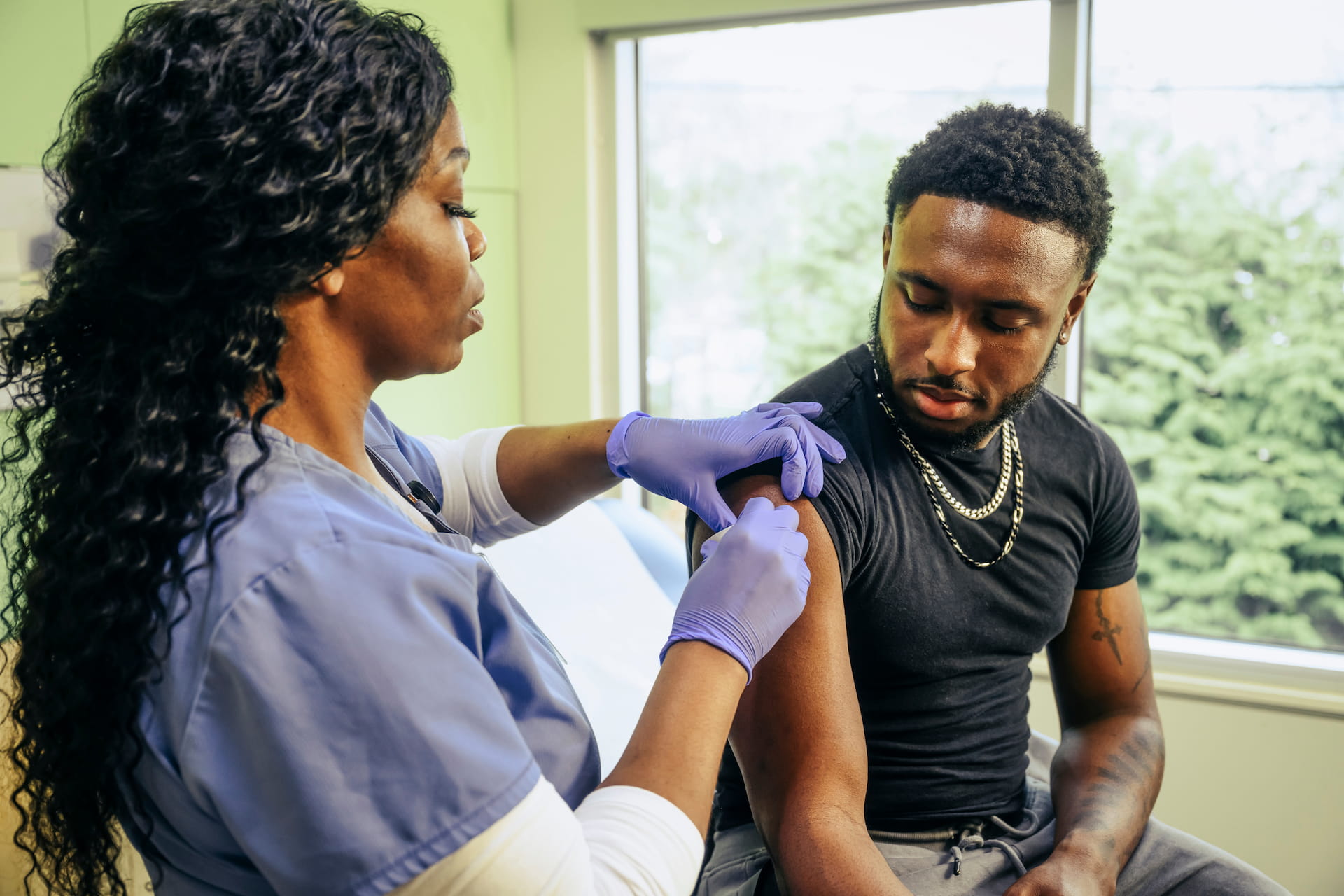
Black adults in the U.S. are consistently under-vaccinated compared to white adults for routine adult immunizations — influenza, pneumococcal, shingles, and COVID-19. For pneumococcal coverage alone among adults 65 and older, the gap stretches nearly 16 percentage points -– and that gap has a body count.
This isn’t an abstract disparity. Black adults are getting sick — and dying — from diseases that vaccines can prevent. They’re being hospitalized for pneumonia, suffering flu complications, and developing severe shingles at rates that are not inevitable. They’re preventable. Black adults already carry a disproportionate burden of hypertension, diabetes, and asthma — the exact comorbidities that turn a vaccine-preventable infection into an ICU stay or a funeral. Every unvaccinated patient in this population is a preventable risk walking out of your exam room.
That’s not a rounding error. That’s a clinical failure happening on our watch.
Let’s not sugarcoat this. Somewhere along the way, adult immunization became the afterthought of primary care. We built robust systems around pediatric vaccines. We made childhood shots non-negotiable. But for adults? Vaccines get crammed into the last two minutes of a packed 15-minute visit — if they come up at all.
And when it comes to Black patients specifically, the data is blunt: clinicians are statistically less likely to offer strong, proactive vaccine recommendations to Black patients than to white patients during the same type of visit. That’s not patient hesitancy. That’s a provider problem. And for Black physicians, we need to be equally honest — we’re not exempt. We can be just as quick to skip the conversation.
Meanwhile, the downstream cost lands on the patient. Unvaccinated Black adults are filling hospital beds with illnesses we had the tools to prevent. That’s on the system, and partly on us.
When a Black patient is hesitant about a vaccine, there’s usually a reason — and it’s rarely ignorance. Decades of medical mistreatment dismissed concerns, and unequal care has made skepticism a rational response. Calling it “vaccine hesitancy” and moving on is too easy.
Structural barriers are just as real. Underinsurance, pharmacy deserts, rigid work schedules, and surprise out-of-pocket costs block access before patients even get a chance to say yes or no. Too often, Black patients don’t even get the recommendation — which means they never get the choice at all.
The good news: these problems are solvable.
Here’s where to start:
Your personal recommendation is the single strongest predictor of whether a patient gets vaccinated. So use it like one.
Drop passive questions like “Do you want a flu shot today?” That’s easy to brush off. Instead, make it direct:
“You’re due for your pneumococcal vaccine. With your asthma history, protecting your lungs is a priority for me. I want to get that done before you leave today.”
When a patient pushes back, don’t argue — listen. Validate the concern without judgment. Answer the specific fear in plain language. And frame the vaccine not as a mandate from an institution that has historically failed them, but as a tool to keep them healthy, present, and around for the people they love.
Black adults are getting sick from diseases adult vaccines prevent. We have the tools. We’re not using them consistently enough — especially not for our Black patients. That changes with deliberate systems, honest self-examination, and recommendations we mean.
Every visit is an opportunity. Let’s start treating it like one.
By subscribing, you consent to receive emails from BlackDoctor.pro You may unsubscribe at any time. Privacy Policy & Terms of Service.
Are you a healthcare professional? Register with us today!