New diabetes subtype found in Black populations; non-autoimmune, distinct from Type 1 or 2. Explore implications for treatment strategies.
A new diabetes subtype has been identified in Sub-Saharan Africans and Black Americans, according to a study published online July 21 in The Lancet Diabetes and Endocrinology.
Jean Claude Katte, Ph.D., from the University of Exeter Medical School in the United Kingdom, and colleagues conducted an observational, cross-sectional study involving participants without obesity of Black African ethnicity with young-onset (younger than 30 years) insulin-treated clinically diagnosed type 1 diabetes (248, 370, and 276 from Cameroon, Uganda, and South Africa). Islet autoantibodies were measured to GADA, IA-2A, and ZnT8A, and a genetic risk score (GRS) was calculated for type 1 diabetes. These findings were compared to those for participants with self-reported Black and White ancestry (429 and 2,602 participants, respectively) with type 1 diabetes from the U.S. SEARCH for Diabetes in Youth (SEARCH) study.
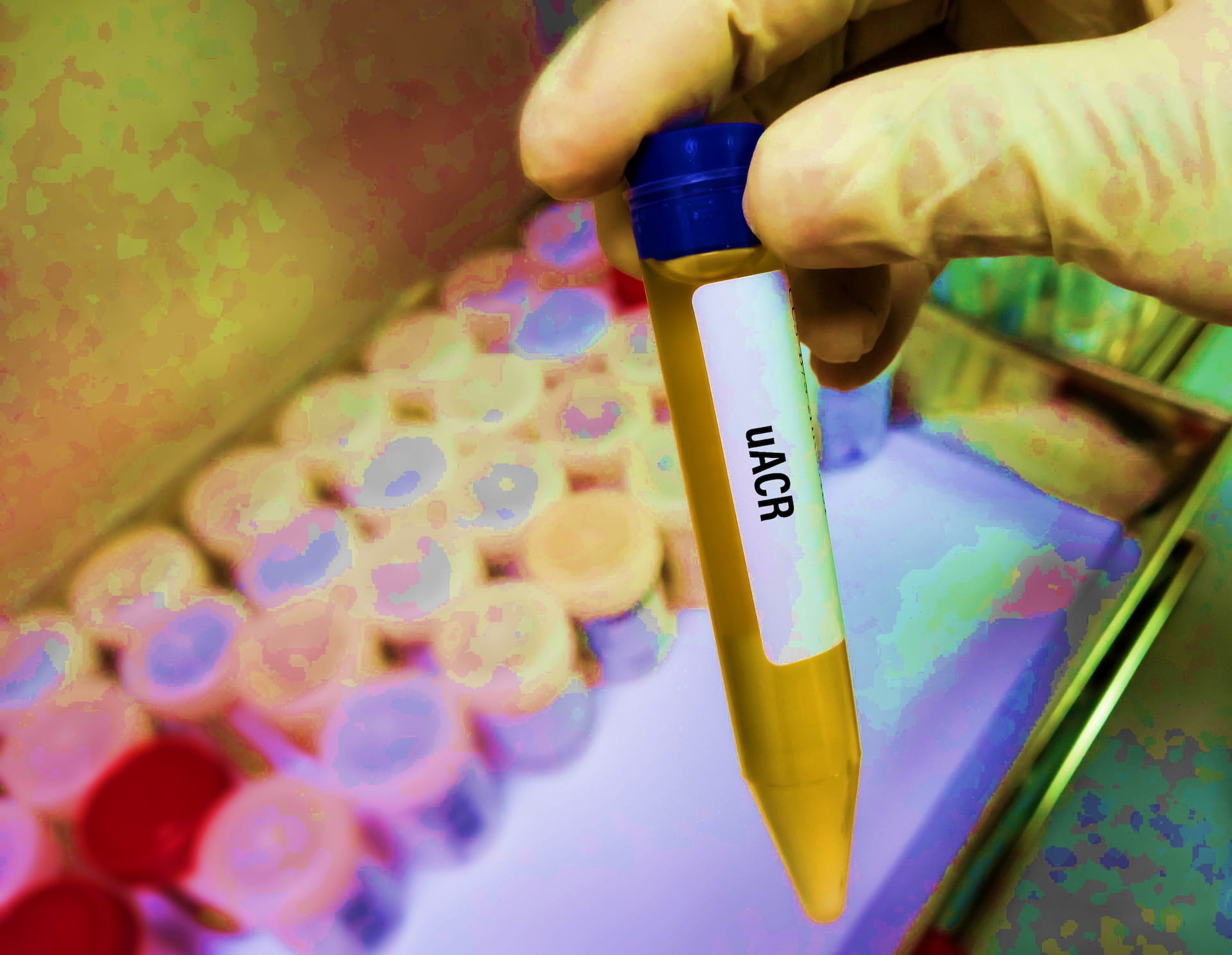
The researchers found that only 34.9 percent of participants were positive for islet autoantibodies; they had classic features of type 1 diabetes, including plasma C-peptide <200 pmol/L (82.7 percent) and a high type 1 diabetes GRS. Compared with those with autoantibodies, those without islet autoantibodies had a significantly lower median type 1 diabetes GRS (9.66 versus 11.76); their clinical features and C-peptide concentrations were not consistent with that of type 2 diabetes. Autoantibody-negative diabetes was also seen in 15.1 percent of participants with Black ancestry in SEARCH; these participants also had a low type 1 diabetes GRS (median, 10.41). No such pattern was seen in White participants in SEARCH.
“This suggests that many young people in this region have a different form of type 1 diabetes altogether and is not autoimmune in origin,” coauthor Dana Dabelea, M.D., Ph.D., from the Colorado School of Public Health, said in a statement.
By subscribing, you consent to receive emails from BlackDoctor.pro You may unsubscribe at any time. Privacy Policy & Terms of Service.
Are you a healthcare professional? Register with us today!