
Middle-aged folks who suffer migraine with aura could be more likely to suffer a stroke, a new study says.
Overall, people who have migraine with an accompanying aura have a 73 percent increased risk of stroke, researchers reported recently in the journal Neurology.
By comparison, people living with migraine who don’t experience auras had no association with an increased stroke risk, researchers found.
Auras are visual or sensory disturbances that occur before a migraine, researchers said in background notes.
Auras might include flashes of light, blind spots, zigzag lines, or shimmering dots, according to the Mayo Clinic.
“Previous research has shown that migraine with aura is linked to an increased risk of stroke in younger people, but less is known about people 45 years old and older,” said lead researcher Dr. Adam Sprouse Blum, an associate professor of neurology at the University of Vermont in Burlington.
“Our study found that similar to younger people, migraine with aura was associated with an increased risk of ischemic stroke in middle-aged and older adults,” Sprouse Blum said in a news release.
For the new study, researchers followed nearly 11,400 people 45 and older for an average of six years. These people were taking part in a larger study of stroke.
Of the participants, 1,130 suffered from migraine attacks, including 491 with an aura and 639 without, researchers said.
During the study, roughly 3 percent of people without migraine had a stroke compared to about 4 percent with migraine.
About 5 percent of migraine with aura sufferers had a stroke, compared to 3 percent who had aura-free migraine.
When the researchers divided migraine patients into two groups, they found those who suffered auras had a 73 percent higher risk of stroke.
Researchers also found that men younger than 72 had a more than 3.5-fold increased risk of stroke from any type of migraine, with or without an aura.
“Our result that middle-aged and older male participants under age 72 had a much higher risk of stroke was unexpected since previous research in young people has shown that stroke disproportionately affects female individuals,” Sprouse Blum said.
“Future studies are needed to better understand these findings,” he added. “Should the findings be confirmed, it may be necessary to provide targeted stroke prevention counseling for individuals in this age group.”
Research shows that Black adults experience a higher burden of stroke and stroke-related mortality than many other racial and ethnic groups. Hypertension, diabetes, and barriers to preventive care can compound vascular risk. In that context, the latest findings suggest that migraine with aura may represent another component of a patient’s overall cardiovascular profile, warranting attention.
Migraine symptoms themselves may also be overlooked or deprioritized during busy clinical encounters, particularly when patients are managing multiple chronic conditions. Because aura symptoms can mimic transient ischemic attack (“mini-stroke”), careful history-taking is essential. Asking about visual disturbances, sensory changes, speech difficulties, and timing of symptoms can help distinguish migraine from other neurologic events.
Incorporating targeted headache questions into routine visits may help identify patients who could benefit from closer vascular risk assessment and earlier intervention to address modifiable stroke risk factors.
To help lower a Black patient’s risk of stroke, clinicians can:
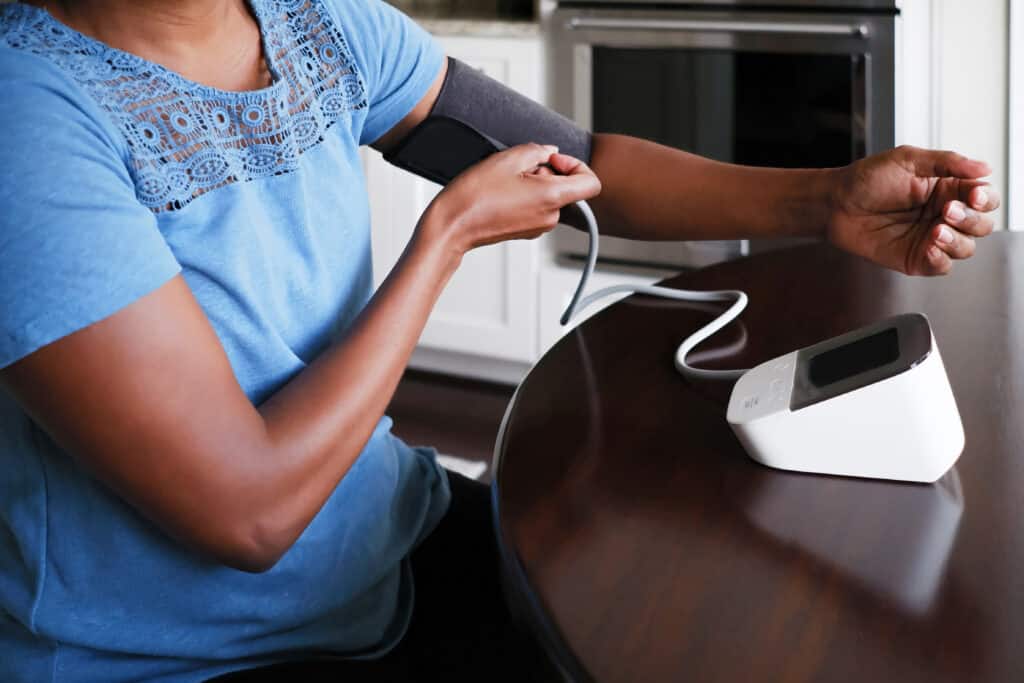
During routine care, clinicians can ask questions about stroke risk factors and migraine history:
Although migraine with aura alone should not be viewed as a definitive predictor of stroke, its presence in midlife may justify closer attention to vascular risk assessment — particularly among Black patients who already face elevated rates of hypertension and stroke.
SOURCES: American Academy of Neurology, news release, May 20, 2026; Neurology, May 20, 2026
By subscribing, you consent to receive emails from BlackDoctor.pro You may unsubscribe at any time. Privacy Policy & Terms of Service.
Are you a healthcare professional? Register with us today!