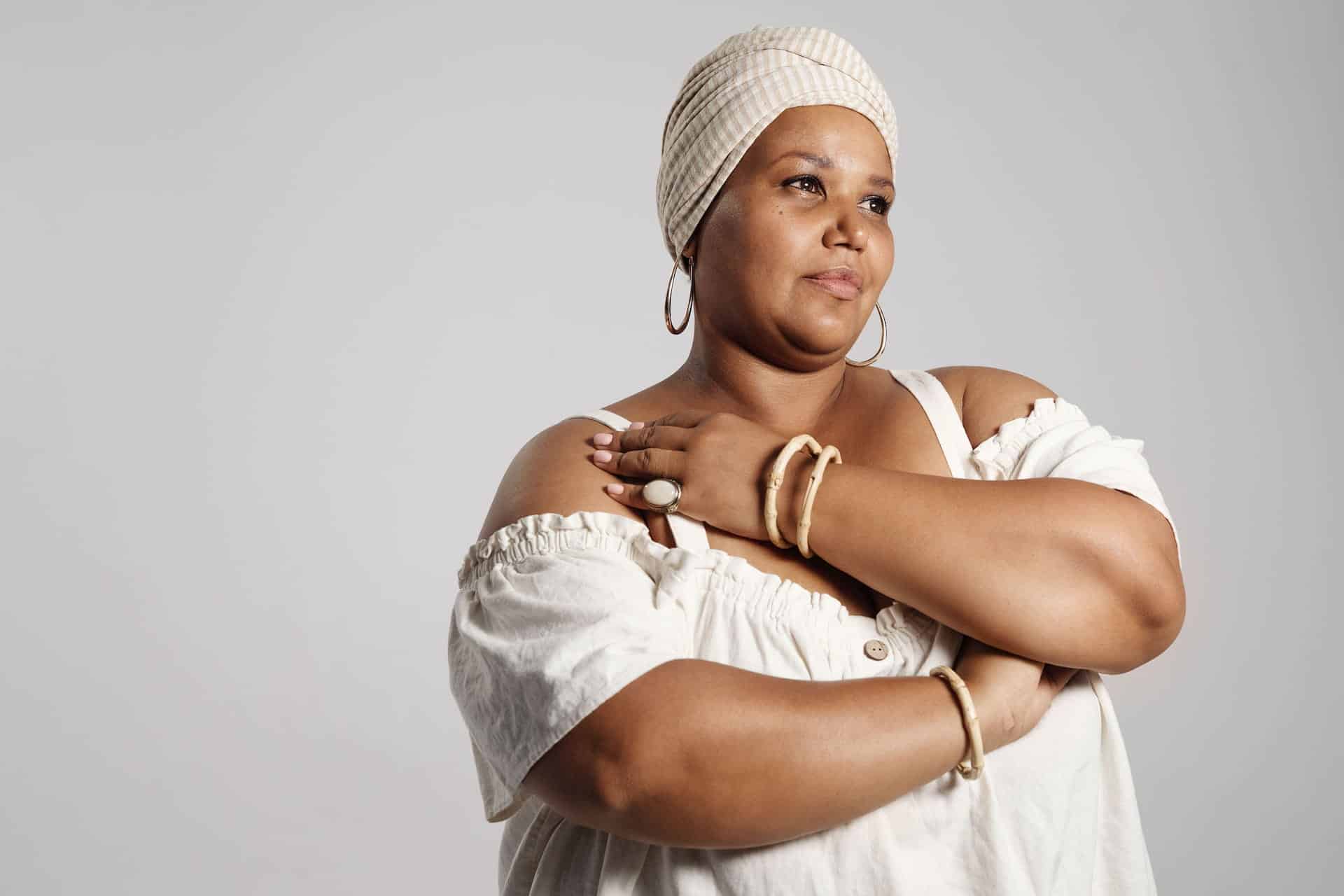
Fewer women affected by menopause are turning to hormone therapy to ease their symptoms, a new study says.
Hormone therapy use declined from 4.4 percent in 2007 to 1.7 percent in 2023 among women 40 and older, researchers report in the June issue of the journal Mayo Clinic Proceedings.
Even among women most likely to benefit – those 50 to 59 – only about 3.5 percent used hormone therapy in 2023, researchers found.
“We have strong evidence that hormone therapy is safe and effective for many women, but that hasn’t translated into how it’s used in clinical practice,” lead researcher Dr. Stephanie Faubion said in a news release. She’s the director of Mayo Clinic’s Center for Women’s Health.
Researchers had expected hormone therapy use to increase in recent years, given increased awareness of both menopause and treatments that can ease its symptoms.
Instead, rates remain at their lowest level since the early 2000s, after a clinical trial called the Women’s Health Initiative first raised concerns about hormone therapy for menopause, researchers said.
That trial’s results, released in 2002, “said, you know what, hormone therapy is not as safe as we thought,” Faubion explained during an earlier interview with HealthDay TV. “And it not only does not prevent chronic disease, it can actually increase the risk of cardiovascular disease.”
Later re-analysis of the clinical trial’s data found that for many women, hormone therapy could be used without any dire consequences.
“Eventually they broke down the data by age, and what we ended up finding out is for those women in their 50s, hormone therapy was actually pretty safe,” Faubion told HealthDay TV.
“And for those women, the risk of heart attack and stroke is quite rare anyway, because these are younger women.”
But by then, the word was out, and hormone therapy has been considered risky for aging women ever since.
For the new study, researchers tracked nationwide trends in hormone therapy use among women 40 and older between 2007 and 2023, using medical and pharmacy claims data from a large U.S. health database.
Results also showed that hormone therapy use was consistently higher among white women compared with Black, Hispanic, and Asian American women.
Ongoing misconceptions about risk likely are keeping women from seeking hormone therapy, along with doctors who haven’t been well-trained regarding menopause and its treatments, researchers said.
“Despite increased attention on menopause, we still have a long way to go,” Faubion said in the release. “Improving education for both patients and clinicians will be key to closing this gap.”
Black women experiencing menopause often report more frequent and severe vasomotor symptoms, including hot flashes and night sweats. In addition, research suggests that Black women are less likely to receive hormone replacement therapy (HRT) than white women despite experiencing a greater symptom burden.
The continued decline in HRT use may widen existing disparities in menopause care if clinicians are not proactively discussing treatment options with Black patients, who are already facing challenges during the menopausal transition disproportionately.
Much of the concern surrounding HRT largely stems from the 2002 Women’s Health Initiative study, which linked hormone therapy to an increased risk of blood clots, stroke, and breast cancer. However, subsequent research has shown that hormone therapy can be a safe and effective option for many healthy women younger than 60 or within 10 years of menopause onset, suggesting that the benefits may outweigh the risks for appropriately selected patients.
Clinicians should be prepared to discuss individualized risk-benefit assessments and current evidence rather than relying on outdated perceptions of hormone therapy.

For clinicians, patient education remains critical when discussing menopause treatment options. Individualized risk assessments can help determine whether hormone therapy is appropriate while ensuring patients understand both the potential benefits and risks.
Practical strategies include:
While hormone therapy use continues to decline across the United States, the trend may have greater consequences for Black women, who often experience more severe symptoms and lower treatment rates.
For clinicians, proactive menopause screening and individualized care may help ensure that eligible patients do not miss effective treatment options due to persistent misconceptions or inequitable access to care.
More information
The Menopause Society has more about hormone therapy.
SOURCES: Mayo Clinic, news release, June 1, 2026; HealthDay TV interview, April 27, 2026
By subscribing, you consent to receive emails from BlackDoctor.pro You may unsubscribe at any time. Privacy Policy & Terms of Service.
Are you a healthcare professional? Register with us today!