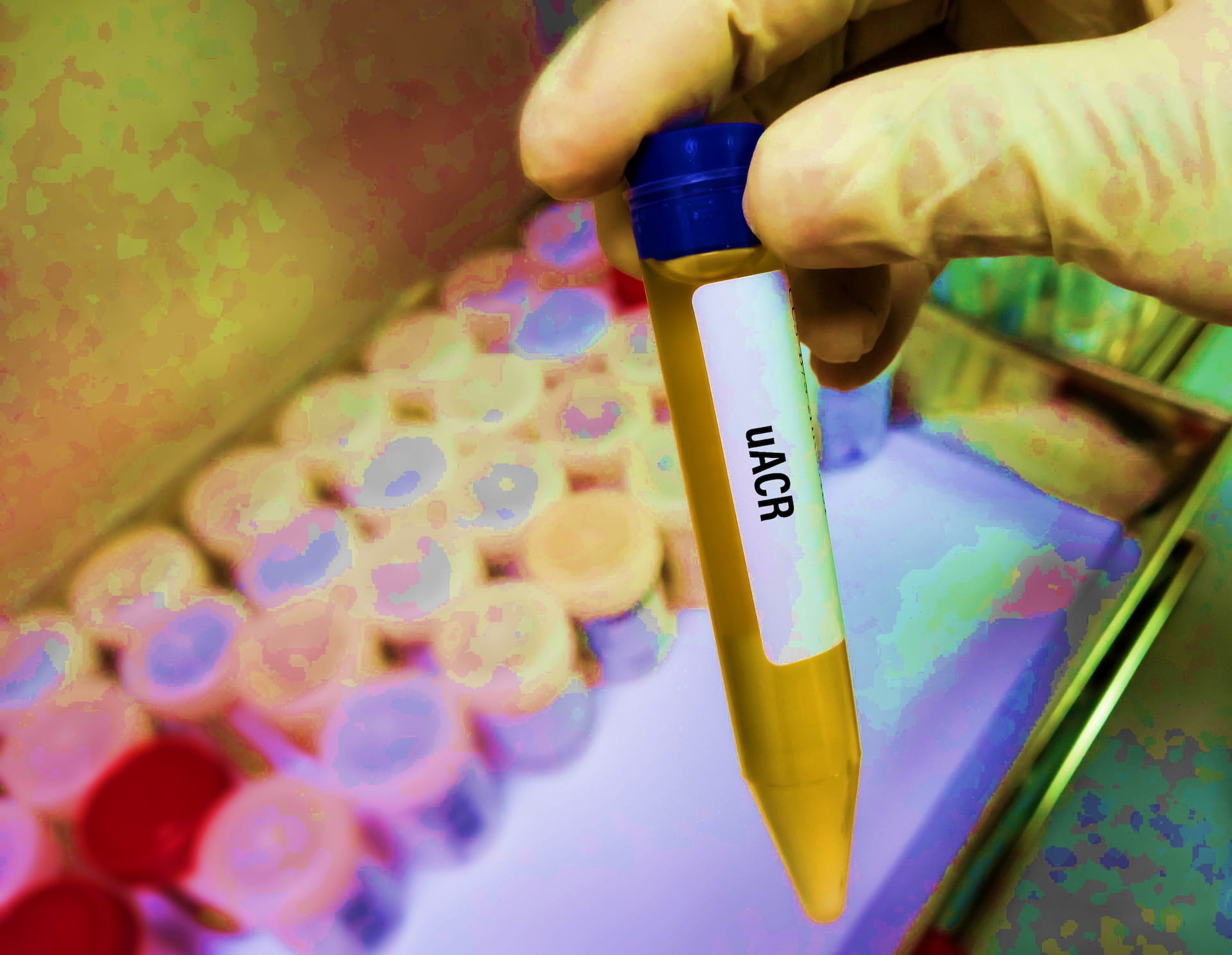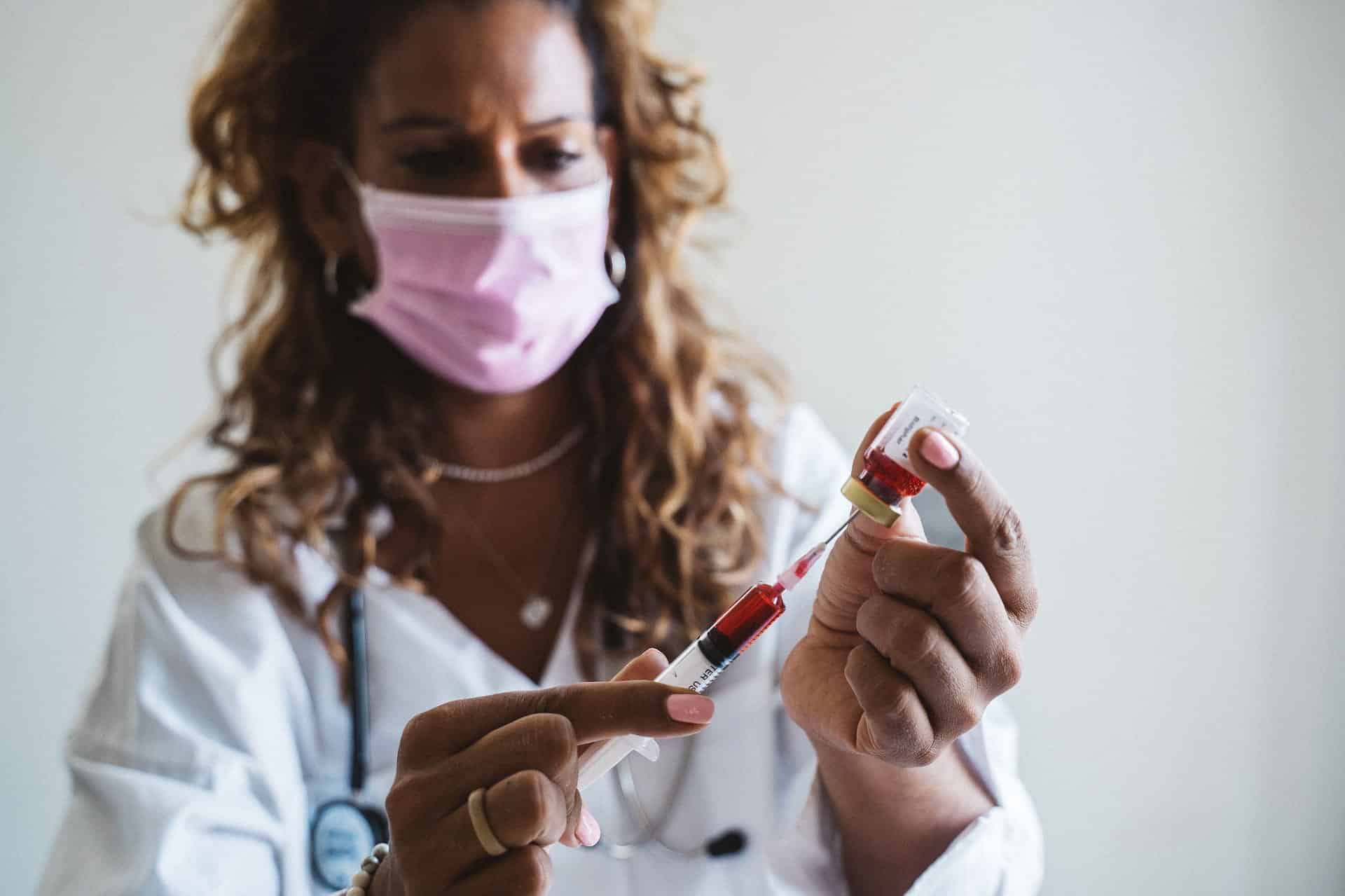
Spoiler Alert: “A liquid biopsy is a blood test that looks for cancer-related material circulating in the bloodstream, such as tumor DNA,” explains Pashtoon Kasi, M.D., M.S., Medical Director of Gastrointestinal Medical Oncology at City of Hope Orange County in California. “Despite the name, no actual biopsy procedure is being performed.”
That said, the technological intervention is reshaping how clinicians think about cancer detection and monitoring. Once considered an emerging technology for advanced cancers, blood-based cancer testing is now moving into earlier stages of the cancer care continuum, including screening, molecular residual disease (MRD) detection, and recurrence surveillance.
For physicians, the challenge is no longer simply understanding the technology itself. Increasingly, clinicians must also explain liquid biopsy testing to patients who may hear about these tools online, through direct-to-consumer advertising, or during oncology consultations. Doctors play an outsized role in helping patients understand what the tests actually do and what they cannot do.
Unlike traditional biopsies that require tissue removal through surgery or needle aspiration, liquid biopsies analyze blood samples for circulating tumor DNA (ctDNA) or other cancer-related biomarkers shed into the bloodstream by tumors. The result is a less invasive tool that can often be repeated over time to help monitor disease progression or response to therapy.
Rick Baehner, MD, Chief Medical Officer of Precision Oncology for Abbott, explains that these tests “analyze a blood sample for cancer-related biomarkers, including circulating tumor DNA (ctDNA), which can be released into the bloodstream by cancer cells.”
This information can help clinicians identify mutations, monitor treatment response, and detect persistent or recurring disease. In some cases, liquid biopsy technologies may also identify cancer signals before symptoms appear. Some tests are now designed for multi-cancer early detection (MCED), screening for dozens of cancer types through a single blood sample.
“About half of cancers are diagnosed at later stages, when treatment can be more difficult,” Dr. Baehner says. “Many cancers — including pancreatic, ovarian, and liver cancer — do not currently have routine screening options.” That gap has fueled interest in blood-based testing as a complementary screening tool.
For patients already diagnosed with cancer, liquid biopsies can play a growing role in MRD testing. These assays look for microscopic traces of ctDNA that persist after surgery, chemotherapy, or radiation. “Detecting these signals early may help doctors identify recurrence sooner and make more informed treatment decisions,” Dr. Baehner explains.
One of the most important points clinicians must communicate is that liquid biopsies complement, rather than replace, tissue biopsies.
“A traditional biopsy requires removing tissue directly from a tumor,” Dr. Kasi says. “A liquid biopsy instead uses a blood sample to look for tumor-related material circulating in the body.”
Tissue biopsy is essential for confirming the diagnosis, evaluating tumors, and determining disease staging. So, blood-based testing is not a stand-in for tissue evaluation.
Dr. Brian Honeyman, MD., PhD., a clinical advisor at Marietta Springs Treatment Center, notes important limitations that explain why this is the case. “The advantages of liquid biopsy include being less invasive, providing dynamic molecular information about tumor evolution, and allowing clinicians to quickly assess therapeutic options and monitor response to treatment.”
However, one disadvantage is that the test’s sensitivity varies with the amount of tumor DNA present in the bloodstream. So, some cancers are harder to detect than others.
Dr. Honeyman says this is why liquid biopsies are generally not recommended as a standalone diagnostic tool for detecting all cancers.
For patients, logistics matter. A liquid biopsy is just as fast and simple as any other blood test. It can take 10-30 minutes to draw blood and one to three weeks to receive results. A tissue biopsy, however, may vary. A needle biopsy can take 10-60 minutes with just a local anesthetic, but endoscopic or surgical biopsies can take longer and require sedation. These lab results typically take one to two weeks.
Physicians can help patients by explaining how undergoing both procedures might affect their well-being, work schedules, and caregiving responsibilities. These clinician-led conversations may need to focus on the practical impact of the procedures (and their findings) on future treatment steps.
For clinicians, discussing liquid biopsy with patients, framing expectations appropriately is critical. Blood-based cancer testing is not intended to replace established annual screening tools like colonoscopy or mammography. Instead, experts describe liquid biopsy as an additional layer within a broader diagnostic strategy.
Dr. Kasi echoes the point that liquid biopsy tests are best viewed as another tool in a physician’s toolbox. “They can add valuable information and help guide care alongside imaging, tissue testing, and other standard approaches.”
This distinction is especially important in colorectal cancer screening discussions. While blood-based testing may improve screening for reluctant patients, colonoscopy remains uniquely preventive because it allows removal of precancerous lesions.
“Some screening is always better than none,” Dr. Kasi says. “If blood-based testing helps increase screening rates, that could be a major step forward.”
“Liquid biopsies can make cancer testing more accessible because they only require a blood draw,” Dr. Baehner explains. “This may be easier and more convenient for many patients than invasive procedures or surgery.” Dr. Kasi adds that this style of testing can feel more approachable and agreeable than other preventative procedures.
That accessibility may be particularly important in communities with lower cancer screening rates or limited access to specialty care. At the same time, physicians should acknowledge ongoing limitations and barriers.
“Access disparities remain due to differences in test availability, costs, and insurance coverage,” Dr. Honeyman notes.

“In cancer care, we often use multiple tools together to get the clearest picture possible,” Dr. Kasi says. “Patients should absolutely feel comfortable asking their care team whether liquid biopsy testing makes sense for them.” But he also says that not every liquid biopsy is appropriate for every patient or every cancer type.
This case-by-case approach may feel arbitrary to some patients who are trying to make heads or tails of why one person might be a great candidate for a liquid biopsy, and another might not be.
Also, patients may need to do multiple liquid biopsies over the course of their treatment cycle, so they should be made aware that this isn’t a “one and done” situation. They may need to schedule multiple tests over a period of months or years. Dr. Baehner notes that for people already diagnosed with cancer, liquid biopsy-based MRD testing can also support more personalized monitoring after treatment.
For physicians, it may be most useful to frame patient education as follows: a liquid biopsy is not a replacement for modern oncology workflows. It is expanding them. This means that liquid biopsies may be integrated into other diagnostic requests and demand a bit more time to help physicians offer the most personalized care plans for the best possible treatment outcomes.
By subscribing, you consent to receive emails from BlackDoctor.pro You may unsubscribe at any time. Privacy Policy & Terms of Service.
Are you a healthcare professional? Register with us today!