Study shows racial inequities in opioid access for dying cancer patients, highlighting systemic racism. Impact: Black, Hispanic patients. Explore full implications.
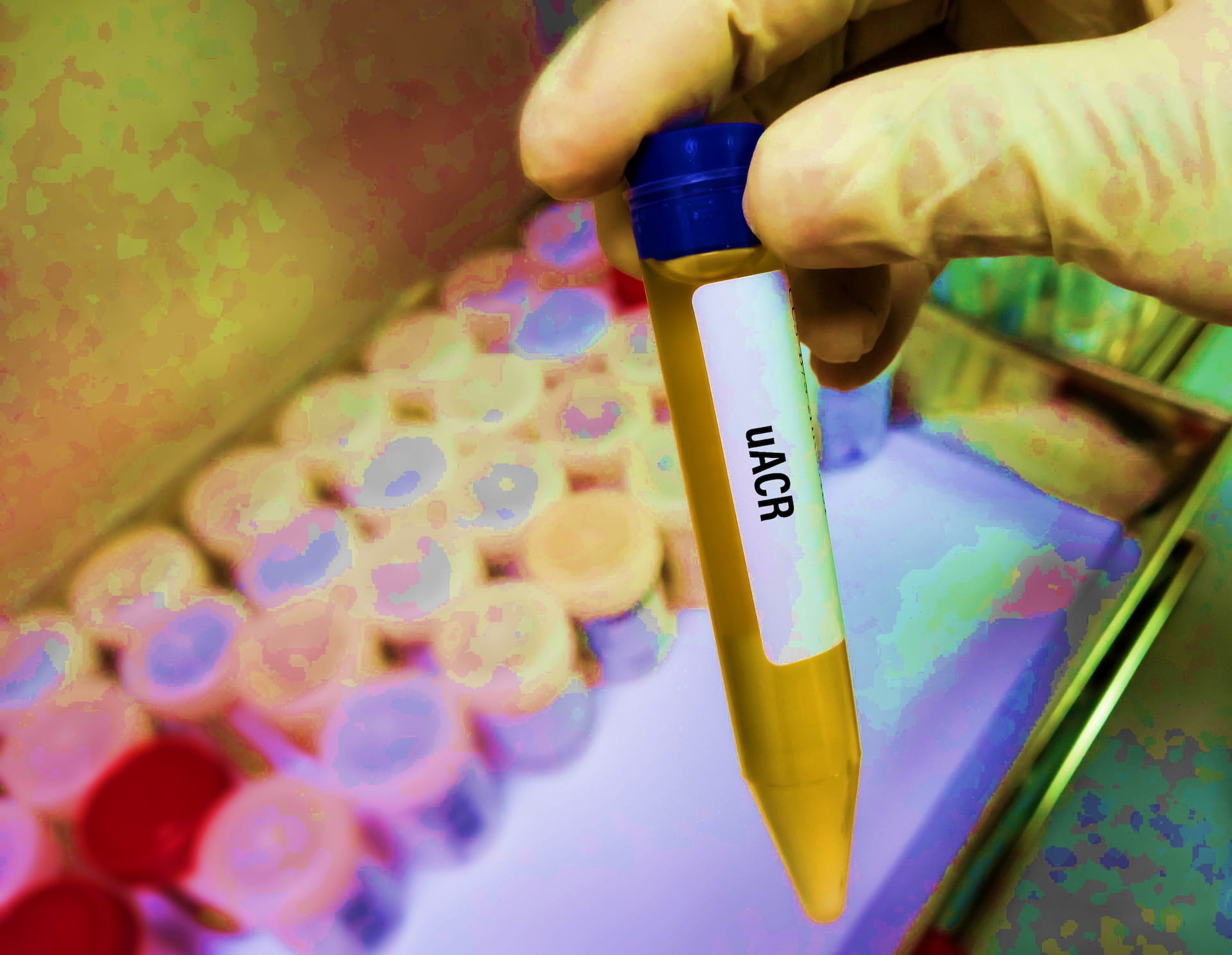
Andrea C. Enzinger, M.D., from the Dana-Farber Cancer Institute in Boston, and colleagues characterized racial and ethnic disparities and trends in opioid access and urine drug screening among patients dying of cancer. Trends were examined from 2007 to 2019 for 318,549 non-Hispanic White, Black, and Hispanic Medicare decedents older than age 65 years with poor-prognosis cancers.
The researchers found that White, Black, and Hispanic decedents experienced steady declines in end-of-life (EOL) opioid access and rapid expansion of urine drug screening between 2007 and 2019. Black and Hispanic patients were less likely than White patients to receive any opioids (−4.3 and −3.6 percentage points for Black and
Hispanic participants, respectively) and long-acting opioids (−3.1 and −2.2 percentage points, respectively). Blacks and Hispanics also received lower daily doses (−10.5 and −9.1 morphine milligram equivalents per day, respectively) and lower total doses (−210 and −179 morphine milligram equivalents, respectively). The likelihood of undergoing urine drug screening was increased for Black patients (0.5 percentage points).
Black men were disproportionately affected by disparities in EOL opioid access and urine drug screening. These disparities were not attenuated after adjustment for socioeconomic factors.
“The disparities in urine drug screening are modest but important, because they hint at underlying systematic racism in recommending patients for screening,” a coauthor said in a statement.
Several authors disclosed financial ties to the pharmaceutical industry.
By subscribing, you consent to receive emails from BlackDoctor.pro You may unsubscribe at any time. Privacy Policy & Terms of Service.
Are you a healthcare professional? Register with us today!