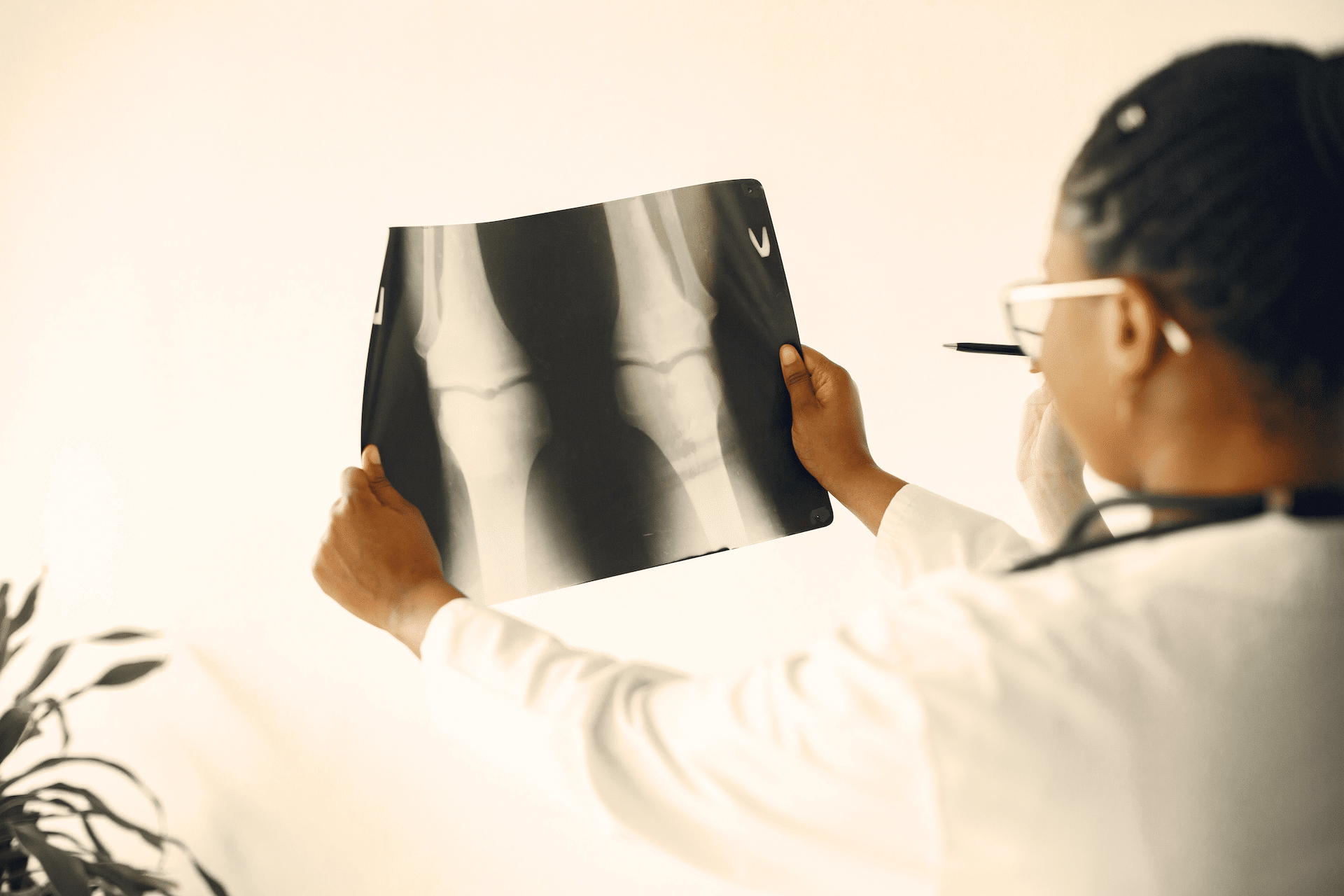
Femoral bone mineral density (BMD) and osteoporosis are associated with all-cause mortality in postmenopausal women, according to a study published online May 12 in Menopause.
Zheng Zhang, M.D., from the College of Clinical Medicine, Qinghai University in Xining, China, and colleagues examined the prognostic value of BMD for mortality in a study involving 2,977 postmenopausal women from the National Health and Nutrition Examination Survey (2005 to 2018). Dual-energy X-ray absorptiometry was used to assess BMD at four femoral sites.
The researchers found that mortality risk was significantly elevated when femoral BMD reached the osteoporotic threshold or in the presence of osteoporotic fractures in a Kaplan-Meier analysis. The area under the receiver operating characteristic curve for BMD at all femoral sites was greater than that for body mass index (area under the curve, 0.591). Osteoporosis was associated with increased mortality risk after full adjustment (hazard ratio, 1.47). An inverse correlation was observed between site-specific BMD and mortality risk. A stronger inverse association was seen between increased BMD and mortality risk within specific ranges: 0.46 to 0.71 g/cm2 for total femur BMD and 0.33 to 0.54 g/cm2 for trochanter BMD.
“Osteoporosis often remains a silent threat after menopause, despite its profound effect on women’s lives — from loss of height, poor balance, and reduced mobility to disfigurement, pain, and even premature death,” Monica Christmas, M.D., associate medical director for The Menopause Society, said in a statement.
Studies show that Black women have traditionally been viewed as having a lower risk of osteoporosis because they tend to have higher average bone density than white women. However, this assumption can unintentionally contribute to the underassessment of bone health concerns.
Research shows that Black women may be less likely to undergo osteoporosis screening, despite experiencing substantial morbidity when fractures occur. Providers should avoid relying on perceptions about race when determining who may benefit from risk assessment and conversations about bone health.
Structural barriers, including inconsistent access to preventive care, insurance challenges, transportation limitations, and competing caregiving duties, may delay osteoporosis screening and treatment for some Black women.
As osteoporosis screening often remains asymptomatic until a fracture occurs, proactive discussions during primary care, OB/GYN, endocrinology, and geriatric visits can help close these gaps before serious complications develop.
The study reinforces that femoral bone mineral density may serve as a broader marker of health status in postmenopausal women. Providers caring for Black women should incorporate established risk factors into decision-making, including:
Using DXA findings alongside tools such as FRAX can help identify women who might otherwise be overlooked.
Here are some practical strategies clinicians can use to support postmenopausal Black women:
The researchers found that postmenopausal women with osteoporosis had a 47 percent higher risk of all-cause mortality, suggesting that femoral BMD may function as a prognostic marker of systemic health, not simply fracture risk.
By subscribing, you consent to receive emails from BlackDoctor.pro You may unsubscribe at any time. Privacy Policy & Terms of Service.
Are you a healthcare professional? Register with us today!