Experimental Test May Quickly Diagnose Sepsis

Rapid sepsis diagnosis in 2.5 minutes via microelectrode device could transform treatment timeliness, especially for underserved populations. Explore further.

A blood test that can quickly diagnose dangerous sepsis infections has been developed, according to research published in the Feb. 1 issue of Biosensors and Bioelectronics.

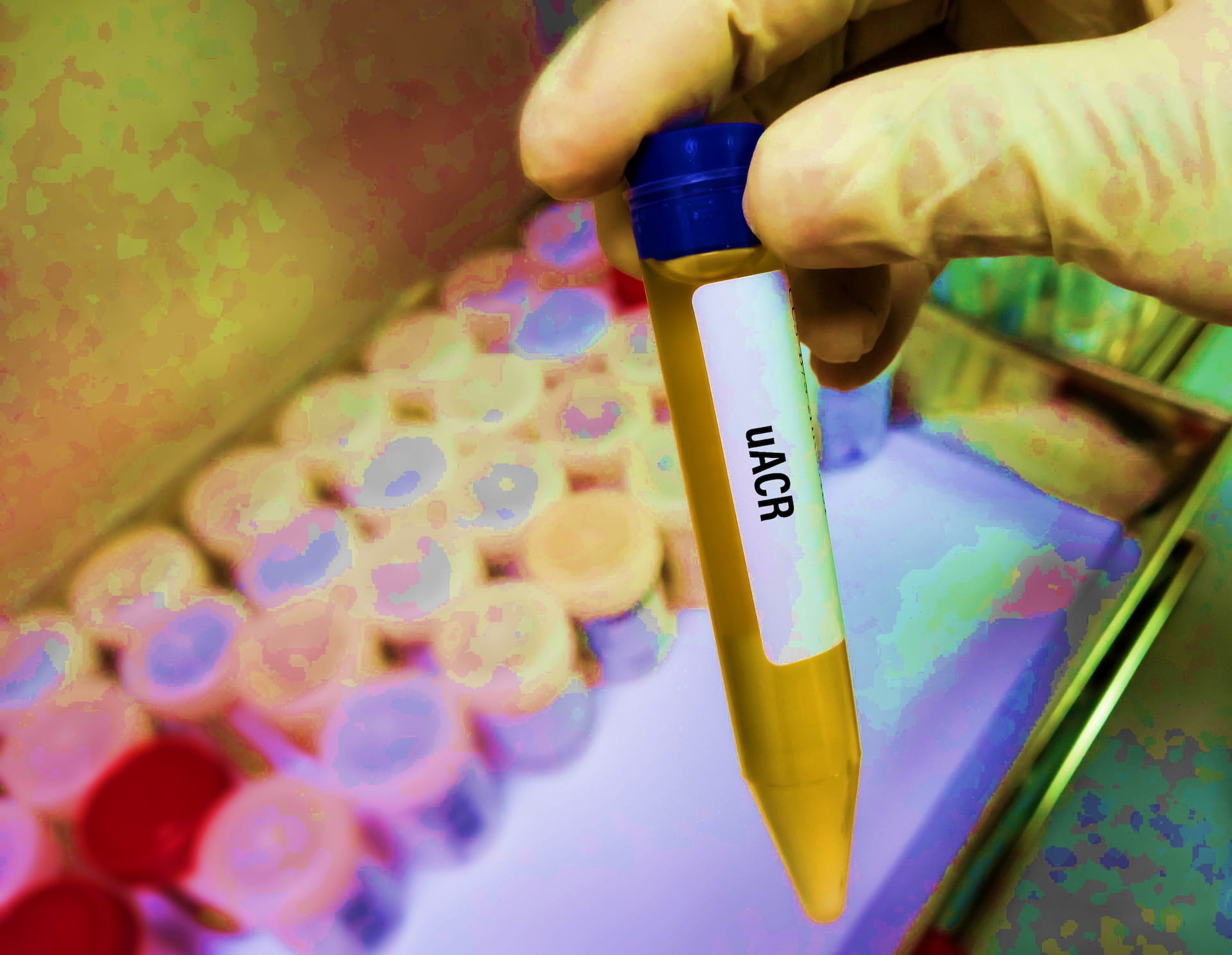
The experimental microelectrode device created by scientists at the University of Strathclyde in Scotland analyzes a patient’s blood and provides results in as quickly as 2.5 minutes. The small device tests for interleukin-6, a biomarker of sepsis. Current testing methods for sepsis can take up to 72 hours, CNN reported.

“The implications for this are massive, and the ability to give the right antibiotic at the right time to the right patient is extraordinary,” said study author Dr. David Alcorn, of the Royal Alexandra Hospital in Paisley, Scotland, CNN reported.

CNN Article
Abstract/Full Text

AI-Powered Search. Human-Created Content.

Expert Medical Insights, Straight to Your Inbox

Insights That Keep Black Healthcare Leaders at the Forefront

By subscribing, you consent to receive emails from BlackDoctor.pro You may unsubscribe at any time. Privacy Policy & Terms of Service.

Top Articles

Empowering Culturally-Sensitive Healthcare Professionals

BlackDoctor Pro is an online destination created specifically for Black doctors and culturally-sensitive healthcare professionals. Our platform delivers trusted, relevant, and timely medical content, including in-depth articles, the latest treatment updates, healthcare policy, and emerging clinical studies. We are committed to empowering HCPs with the knowledge, resources, and support needed to achieve exceptional health outcomes in black communities.
Copyright © 2026, BlackDoctor, Inc. All rights reserved.
BlackDoctor Pro is an online destination created specifically for Black doctors and other culturally-sensitive healthcare professionals. Our platform delivers trusted, relevant, and timely medical content, including in-depth articles, the latest treatment updates, healthcare policy, and emerging clinical studies.
AI-Powered Search. Human-Created Content.