Hispanic patients, aged 18-49, face highest S. aureus infection risk. Address ESKD disparities for equitable preventive care. Read more.
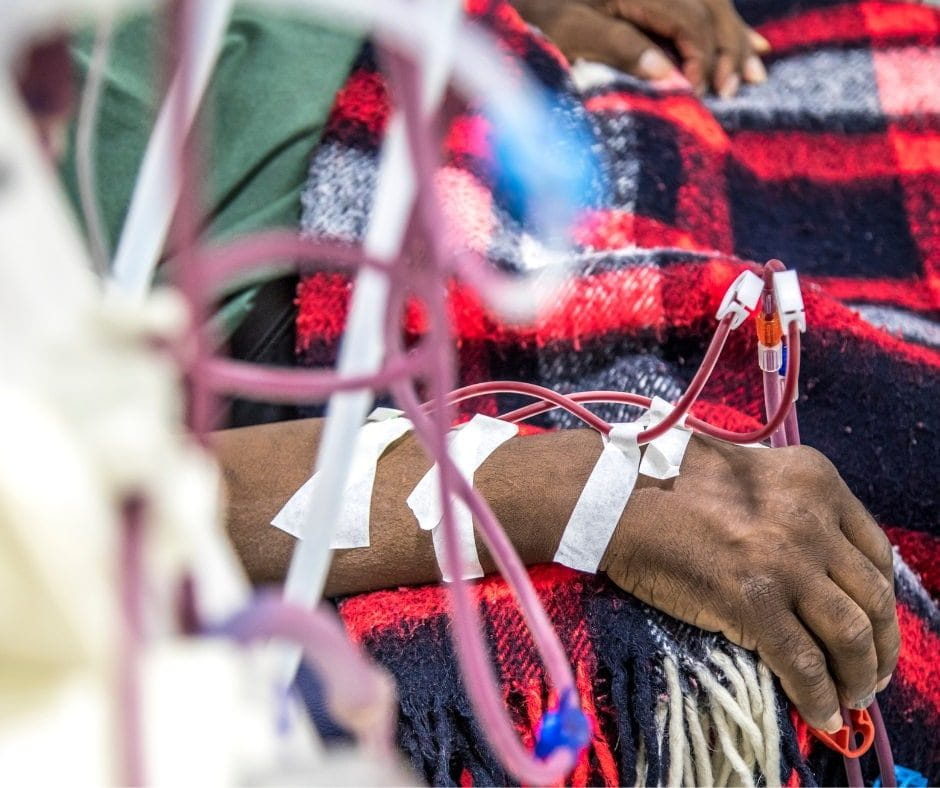
Using surveillance data from the 2020 National Healthcare Safety Network (NHSN) and the 2017 to 2020 Emerging Infections Program (EIP), Brian Rha, M.D., from the CDC in Atlanta, and colleagues described bloodstream infections among patients on hemodialysis and examined associations with race, ethnicity, and social determinants of health.
A total of 4,840 dialysis facilities reported 14,822 bloodstream infections to the NHSN in 2020; 34.2 percent were attributable to S. aureus.The researchers found that the S. aureus bloodstream infection rate during 2017 to 2020 was 100 times higher among hemodialysis patients than among adults not on hemodialysis at seven EIP sites (4,248 versus 42 per 100,000 person-years).
The highest unadjusted rates of S. aureus bloodstream infection were seen for non-Hispanic Black or African American and
Hispanic or Latino patients on hemodialysis. A strong association was seen for vascular access via central venous catheter with S. aureus bloodstream infections (adjusted rate ratios, 6.2 and 4.3 versus fistula and fistula or graft for the NHSN and EIP, respectively).
At EIP sites, S. aureus bloodstream infection risk was highest in Hispanic patients and those aged 18 to 49 years in adjusted analyses (adjusted rate ratios, 1.4 and 1.7, respectively).
“Because disparities can affect ESKD development, access to treatment options, and risk of hemodialysis bloodstream infections, a comprehensive approach to preventive care that recognizes racial, ethnic, and socioeconomic disparities is needed,” the authors write.
One author disclosed financial ties to the pharmaceutical industry.
By subscribing, you consent to receive emails from BlackDoctor.pro You may unsubscribe at any time. Privacy Policy & Terms of Service.
Are you a healthcare professional? Register with us today!