
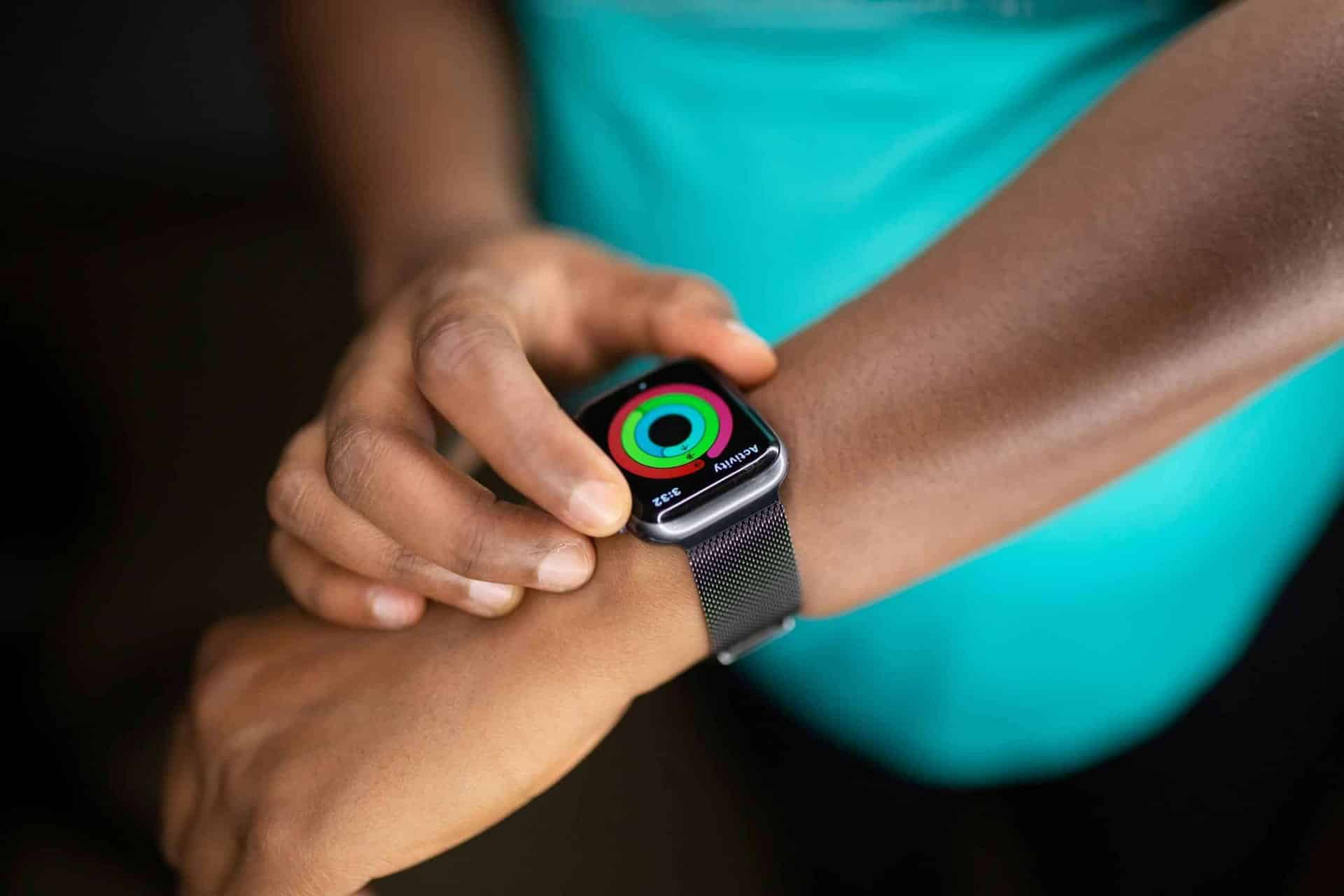
Digital health wearables, such as smartwatches and Oura rings, are quickly transitioning from consumer gadgets to clinical conversation starters in neurology. With technology that can flag irregularities in heart rhythm or track sleep patterns, these tools are giving providers access to continuous, real-world patient data in between appointments that wasn’t previously available.
New guidance from the American Academy of Neurology (AAN) highlights both the opportunities and limitations of integrating wearable technology into neurological care.
A new report offers a closer look at where these tools are showing promise, and where caution is still needed.
For years, neurologists relied on what patients could remember between appointments. Now, wearables can monitor a patient’s health vitals around the clock.
In a report published Mar. 11 in the journal Neurology, experts examined how everyday consumer-grade smartwatches and devices are used by patients in treating neurological disorders.
Researchers provided a current snapshot and case examples in the areas of heart rate and rhythm screening, epilepsy, headache, and sleep.
For example, for those with epilepsy, certain apps and trackers can help forecast when a seizure might occur by monitoring heart rate and movements.
In headache management, sensors that track muscle tension and skin temperature — a process called biofeedback — can teach patients how to lower their stress levels to prevent pain.
Apps and trackers can also help monitor sleep duration, stages, and quality of sleep.
“Wearable technology has grown in popularity with some people using devices to share health data with their physicians,” study author Dr. Sarah Benish, a professor of neurology at the University of Minnesota, said in a news release.
“This technology has great potential to provide more complete data for each person, allowing for greater insights into their health and possible identification of triggers to allow for a more individualized and successful treatment plan,” added Benish, who is also an AAN Fellow.
One of the most life-saving uses of smartwatches is detecting atrial fibrillation, an irregular heart rhythm that significantly increases the risk of stroke.
While watches can act as an early warning system, the AAN emphasized that they are not formal diagnostic tools. A red alert on a watch should be followed up by a clinical exam to confirm the problem, they stressed.
But the “always-on” nature of these devices can have a downside. The AAN warned that consumer tech can sometimes be inaccurate, leading to false alarms that scare patients as well as false reassurances that prompt them to ignore real symptoms.
Furthermore, the constant stream of health data can lead to a new type of stress.
“Such devices may also have unintended effects like increased anxiety,” Benish said.
Doctors are also concerned about data privacy and the fact that high-quality trackers are often too expensive for many families to afford.
“The landscape for wearable devices that provide health screenings, monitoring, and even treatments is rapidly changing and therefore hard for physicians to know each individual device,” Benish said. “This technology has great potential to provide more complete data for each person, allowing for greater insights into their health and possible identification of triggers to allow for a more individualized and successful treatment plan.”
The guidance concludes that while digital health technology is exciting, it is still evolving.
Patients are encouraged to bring their wearable data to appointments with their health care provider, but should view that data as a conversation starter rather than a final diagnosis.
For providers, the increased access to pertinent patient data via wearable technology presents both an opportunity and a workflow challenge. Continuous monitoring outside of medical appointments can help identify patterns that may otherwise go unnoticed, such as seizure triggers, sleep disruptions, or early signs of arrhythmia that indicate a higher stroke risk. Simultaneously, implementing this data into clinical decision-making will require boundary-setting. At this time, not all device outcomes are validated, and without standardization, clinicians may face an increased burden in interpreting large volumes of patient-generated health data.
The expansion of wearable devices for health monitoring raises important equity concerns. High-quality devices, such as those sold by popular brands like Apple, Google, and Samsung, remain costly for many patients, potentially widening gaps in neurological care for underserved communities. Additionally, differences in digital literacy and access to connected technologies may limit who can benefit from these tools.
As healthcare systems continue to explore how to integrate wearable technology into care models, ensuring equitable access and culturally responsive patient education will be critical to avoiding further disparities.

As wearable technology continues to evolve and expand, its role in neurology care will depend less on the devices themselves and more on how effectively clinicians can translate data into actionable, patient-centered care.
More information
The U.S. Food and Drug Administration has more on digital health.
SOURCE: American Academy of Neurology, news release, March 11, 2026
By subscribing, you consent to receive emails from BlackDoctor.pro You may unsubscribe at any time. Privacy Policy & Terms of Service.
Are you a healthcare professional? Register with us today!