For millions of cancer survivors, life after treatment can still be challenging. As many as 95 percent struggle with serious sleep problems, and more than half deal with ongoing mood changes, anxiety, or fatigue.
New phase III data shared at the 2026 American Society of Clinical Oncology (ASCO) Annual Meeting point to a strong, drug-free option for relief.
A large nationwide study found that a gentle, structured yoga program can help cancer survivors feel less anxious, improve their mood, and reduce fatigue. These changes also help people sleep better.
Tackling Four Side Effects at Once
For people already taking several medications, adding more pills for long-term side effects can feel like too much. This study shows there is a practical, drug-free alternative.
“This large, randomized study shows that structured yoga may help relieve some of the most consistently reported and hard-to-treat issues in cancer survivorship, leading to decreased insomnia,” said Fumiko Chino, MD, a cancer researcher and associate professor at MD Anderson Cancer Center and an ASCO Expert. “It’s an important advance because it offers survivors, who are likely already managing multiple medications, a non-pharmaceutical solution for reducing four different side effects at once.”
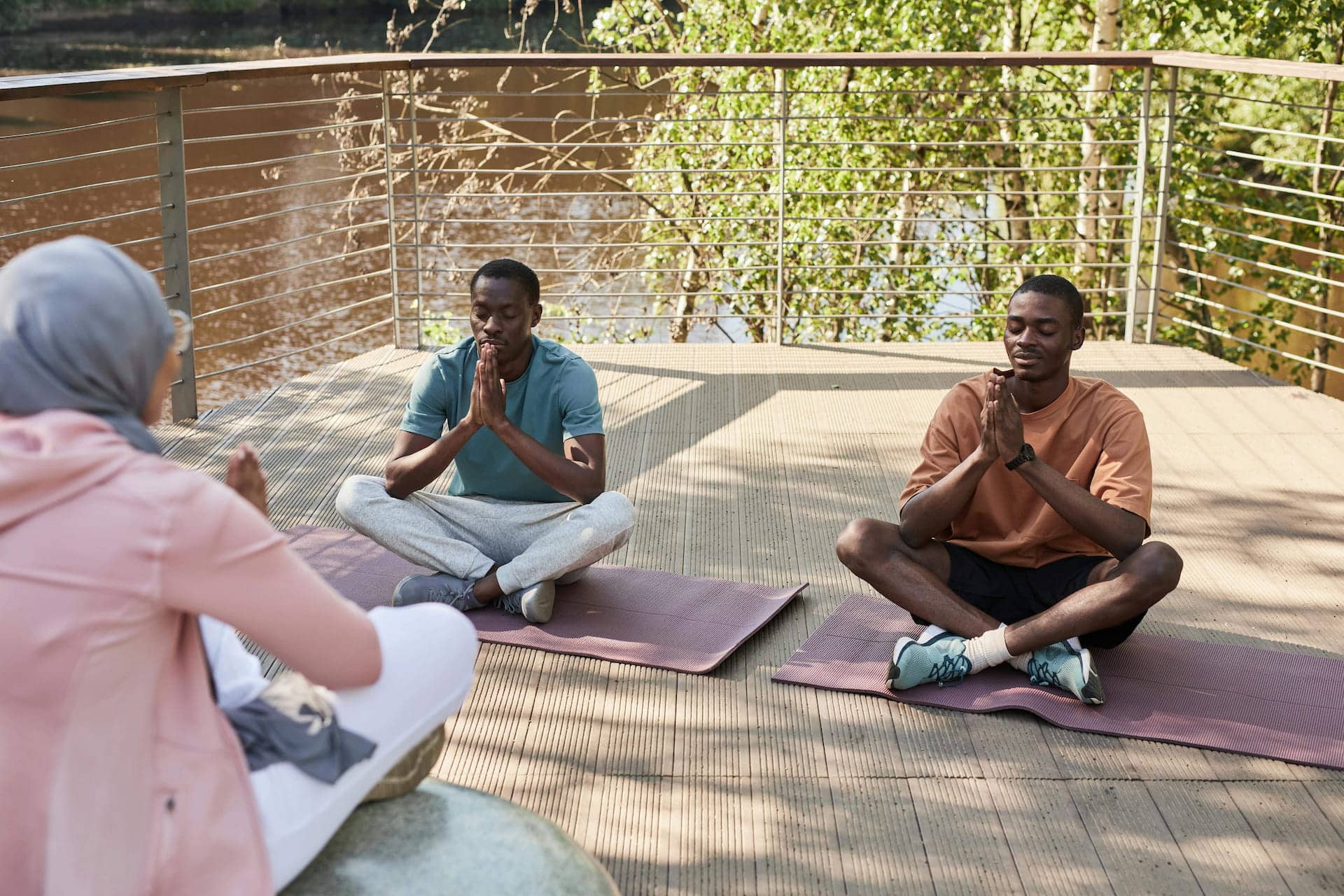
The study focused on a program called Yoga for Cancer Survivors (YOCAS). Created by researchers, including lead author Yuri Choi, PhD, MSN, RN, from the University of Rochester Medical Center, YOCAS is a four-week program that includes:
The study was a randomized controlled trial at 12 community cancer centers across the U.S. It included 410 cancer survivors without metastasis, all two to 24 months after treatment, and struggling with moderate to severe sleep problems.
| Participant Baseline Info | Details |
| Average Age | 54 years old |
| Demographics | 96 percent female; predominantly white |
| Primary Diagnosis | 75 percent breast cancer survivors |
| Prior Experience | No yoga practice within the past three months |
Participants were split into two groups. One group of 204 got standard survivorship care, including regular check-ins. The other group of 206 received the same care plus the four-week YOCAS program, doing about 180 minutes of yoga each week.
Researchers used trusted clinical tools, the Profile of Mood States (POMS) and the Insomnia Severity Index, to measure results. They found that yoga did more than just help people relax—it had a real, positive impact on their health.
Compared to those who only got standard care, the YOCAS yoga group saw:
One key finding was that yoga helped people sleep better. Further analysis showed that these improvements were not just due to chance.
In short, by helping people feel calmer and less tired during the day, the gentle yoga program led to much better sleep at night. People in the standard care group did not have these improvements.
The American Cancer Society predicts there will be over 22 million cancer survivors in the U.S. by 2035. This makes easy-to-access behavioral support more important than ever.
Dr. Choi and her team plan to adapt the YOCAS program for teens and young adults who have survived cancer. They are also developing digital versions, like an online platform and a mobile app, so more people can use them.
Yoga might serve as a potentially effective nonpharmacologic intervention for common cancer survivorship challenges, including anxiety, insomnia, fatigue, and mood disturbance. In this randomized trial, patients participating in the YOCAS program experienced measurable improvement across multiple quality-of-life outcomes compared with standard survivorship care alone.
While larger and more diverse studies are still necessary, the results reinforce the value of incorporating evidence-based supportive care strategies into survivorship planning. Oncology teams may consider discussing structured yoga programs, integrative oncology services, or other mind-body interventions as part of comprehensive symptom management.
By subscribing, you consent to receive emails from BlackDoctor.pro You may unsubscribe at any time. Privacy Policy & Terms of Service.
Are you a healthcare professional? Register with us today!